A new chicken coop for a backyard flock can cost anywhere from $150 for a basic, small pre-fabricated kit to over $5,000 for a large, custom-designed structure built by a professional. The final price depends heavily on size, materials chosen, features like automatic doors or extensive runs, and whether you build it yourself or hire someone. This range accounts for purchasing a mid-sized kit or buying materials for a DIY project.
Many factors influence the overall expense of housing your flock. These include the number of chickens you plan to keep, the local climate, predator threats, and your personal skill level with construction. Knowing these variables helps you determine how much a chicken coop will cost for your specific needs.
How Much Does a Chicken Coop Cost? Understanding the Options
When considering how much it costs to build a chicken coop, think about three main approaches: buying a pre-built coop, constructing one yourself, or hiring a professional. Each option has a distinct cost profile.
Pre-Built Chicken Coops
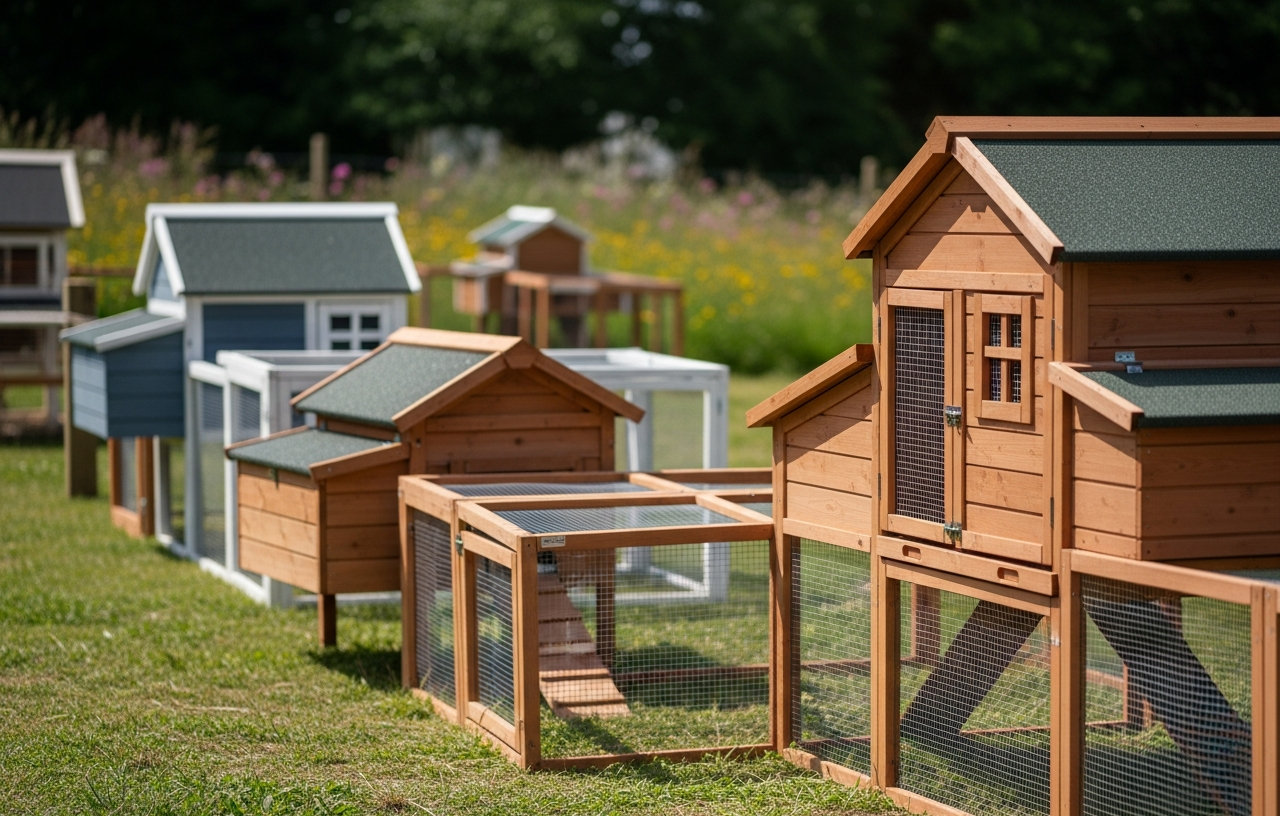
Pre-built coops offer convenience. They arrive either fully assembled or as a ready-to-assemble kit. These are often the quickest way to get your chickens housed. Prices vary significantly based on size, materials, and features.
- Small Coops (2-4 chickens): Expect to pay $150-$400. These are typically basic, lightweight, and sometimes made with thinner wood or plastic. They suit very small flocks or urban settings.
- Medium Coops (4-8 chickens): These coops generally cost $400-$800. They offer more space and better construction. Many include basic nesting boxes and roosting bars.
- Large Coops (8-15+ chickens): Prices range from $800-$2,000+. These are often more robust, with larger runs, better weather protection, and sometimes more advanced features. They may require assembly.
While convenient, pre-built coops can sometimes compromise on durability or predator resistance. Always check the materials, especially the quality of the wire mesh. Many inexpensive kits use flimsy chicken wire, which predators can easily breach. You may need to reinforce them with stronger hardware cloth, adding to the total cost.
DIY Chicken Coops: Material Costs
Building your own chicken coop can save on labor costs. It also allows for complete customization to fit your yard and flock size. The cost to make a chicken coop yourself primarily comes down to materials.
Lumber
Wood is the primary material for most coops.
- Pressure-Treated Lumber: This is ideal for any parts in contact with the ground due to its rot resistance. A small coop might need $100-$200 worth. A larger, more complex design could require $300-$600.
- Standard Framing Lumber (e.g., pine, fir): Used for walls, roof supports, and interior framing. A basic 4x8 foot coop frame could cost $150-$300. Larger structures will increase this.
- Plywood or OSB: For walls, flooring, and roof decking. A few sheets can cost $50-$150, depending on thickness and type.
- Siding (optional): For a more finished look, you might use cedar planks, T1-11, or reclaimed wood. This can add $100-$400 or more, depending on your aesthetic goals.
Hardware Cloth and Wire Mesh
This is vital for predator proofing. Do not confuse hardware cloth with chicken wire. Hardware cloth is much stronger.
- 1/2-inch or 1/4-inch Galvanized Hardware Cloth: This is the recommended material for coop runs and windows. A 50-foot roll of 24-inch wide hardware cloth typically costs $30-$60. A larger coop with an expansive run might need multiple rolls, costing $100-$300.
- Chicken Wire: While cheaper, at $20-$40 per roll, it only keeps chickens in, not predators out. It is not suitable for predator protection.
Investing in quality hardware cloth protects your flock from raccoons, foxes, and other predators. For more information on protecting your flock, read about chicken coop predator proofing.
Roofing Materials
A good roof protects your flock from rain, snow, and sun.
- Asphalt Shingles: Durable and long-lasting. A small bundle for a coop roof costs $40-$80. Larger coops could require $100-$200.
- Metal Roofing Panels: Lightweight, reflective, and easy to install. Expect to pay $50-$150 for enough panels for a standard backyard coop.
- Corrugated Plastic/Fiberglass: A budget-friendly option, often translucent. Costs $30-$100 for a small roof.
Hardware and Fasteners
Screws, nails, hinges, latches, and bolts add up.
- Screws and Nails: A variety pack will cost $20-$50. Purchase exterior-grade screws for better durability.
- Hinges and Latches: Secure doors and access points. Plan for $15-$40 for quality, predator-proof latches.
- Other Hardware: Handles, hooks, and vent covers may add $10-$30.
Foundation Materials
A sturdy foundation helps prevent rot and keeps predators from digging under.
- Concrete Blocks or Pavers: Used to elevate the coop. A dozen blocks can cost $20-$50.
- Gravel or Sand: For drainage and a level base, a few bags or a small delivery could cost $30-$100.
- Skirts or Aprons: Extending hardware cloth outward from the base prevents digging. This uses additional hardware cloth, adding to that material cost.
Custom-Built Chicken Coops: Professional Labor
If you lack the time, tools, or skills to build a coop yourself, hiring a carpenter or general contractor is an option. This will significantly increase how much a chicken coop costs.
- Labor Rates: Carpenters typically charge $50-$100 per hour, sometimes more depending on location and expertise. A small custom coop might take 20-40 hours to build. This translates to $1,000-$4,000 in labor alone.
- Material Markup: Contractors often add a markup to material costs, usually 10-20%.
- Total Cost: For a custom-built, medium-sized coop, expect a total price of $1,500-$3,000. A large, elaborate design could easily reach $3,000-$5,000 or more.
Hiring a professional ensures a well built, durable structure. Make sure you get detailed quotes and review their portfolio of similar projects. This option makes financial sense for those who want a high quality, specific design without the DIY effort.
Additional Costs and Features
Beyond the basic structure, several additions can improve your coop's functionality and your flock's comfort. These contribute to the overall cost to build a chicken house.
Ventilation and Insulation
Proper ventilation is vital for chicken health, preventing respiratory issues and regulating temperature. Adding vents, fans, or insulation materials impacts your budget.
- Vents: Simple gable vents or soffit vents cost $10-$30 each.
- Small Exhaust Fan: A basic fan can cost $20-$50, plus wiring.
- Insulation: Adding rigid foam board insulation to walls and ceilings can cost $50-$150 for a standard coop.
Understanding chicken coop ventilation is more important than adding heat in many climates.
Automatic Doors and Lighting
These features add convenience and security.
- Automatic Coop Door: A popular addition, these doors open and close on a timer or light sensor. They range from $100-$250. This saves you morning and evening trips to the coop. Review the best automatic chicken coop doors to understand your options.
- Coop Lighting: A simple LED light with a timer can cost $20-$50, including wiring. This can help encourage winter egg laying.
Nesting Boxes and Roosting Bars
These are essential interior components.
- Nesting Boxes: You can buy plastic or metal nesting boxes for $15-$40 each, or build them from scrap wood. Plan for one box per 3-4 hens. Learn more about how many chicken nesting boxes your hens need.
- Roosting Bars: Simple wooden dowels or 2x4s are inexpensive, often costing less than $10-$20.
Predator Proofing
Beyond hardware cloth, consider additional measures.
- Automatic Locks: Extra security for doors can cost $10-$30.
- Electric Fencing: A perimeter fence can deter persistent predators. A small kit might cost $100-$300.
- Digging Barriers: Burying hardware cloth around the perimeter or creating a concrete footing. This adds material and labor costs.
Commercial Chicken Houses
The question of how much does a commercial chicken house cost is vastly different from backyard coops. Commercial operations, designed for thousands of birds, involve industrial-scale structures, automated feeding and watering systems, climate control, and waste management. These facilities can cost hundreds of thousands to several million dollars. This includes significant infrastructure, specialized equipment, and often land acquisition. The cost to build a chicken house for commercial purposes is not comparable to backyard flock needs.
When to DIY vs. Hire a Professional
Deciding whether to build a chicken coop yourself or hire a professional depends on several factors.
DIY makes financial sense if:
- You have basic carpentry skills and the necessary tools (saw, drill, measuring tape).
- You have ample time. A DIY coop can take anywhere from a few weekends to several weeks, depending on complexity.
- You want to save money. Material costs for a DIY coop can be 30-70% less than a pre-built or professionally constructed one. You can build a sturdy, medium-sized coop for $300-$700 in materials.
- You enjoy the process of building and customizing.
Hiring a professional is the better choice if:
- You lack building experience or the required tools.
- Your time is limited. A professional will complete the project faster.
- You desire a complex, architectural design that requires specific expertise.
- You prioritize a professionally finished, highly durable structure over budget savings. Expect to pay $1,000-$5,000+ for a custom build, including labor and materials.
- You want specific features like elaborate runs, integrated storage, or automated systems that are difficult for a novice to install.
For a simple, functional coop for a small backyard flock, DIY is often the most cost effective path. If you envision a large, permanent structure or a unique design, the investment in a professional builder can be worthwhile.
Final Thoughts on Chicken Coop Costs
The cost of a chicken coop is a significant initial investment for any backyard chicken keeper. By carefully considering your flock size, local climate, predator risks, and your budget, you can make an informed decision. Whether you choose a budget-friendly DIY project, a convenient pre-built kit, or a custom-designed structure, selecting the right coop ensures the health and safety of your chickens for years to come.