
Solar Exhaust Fan, 25W Solar Panel + 8" Ventilation Vent Fan, with Power Adapter, Anti-backflow Valve, High Speed Solar Powered
- Our 8" solar fan for chicken coop is equipped with 25W high-efficiency solar panel with adjustable.
- Our solar panel with a power adapter, without worrying about the fan not working at night or on rainy.
- This solar exhaust fan kit promotes air circulation to effectively remove excess heat, moisture, dust and.
- The solar panel is crafted from premium monocrystalline silicon material, featuring a toughened glass.
A stale, humid odor inside your chicken coop often signals a failing ventilation system. This is more than just an unpleasant smell. Poor air circulation can lead to respiratory issues for your flock, a buildup of ammonia, and excessive moisture, which encourages mold and bacterial growth. Addressing a ventilation problem quickly protects your chickens' health and comfort.
Diagnosing Common Chicken Coop Ventilation Issues
Before you begin disassembling anything, take a moment to observe the system and the coop environment. Is the fan running at all? Is it running but moving very little air? Are there unusual noises? A systematic approach helps pinpoint the exact problem.
1. Power Supply Problems
Many modern chicken coop ventilation systems rely on electricity, either from a mains connection or a solar panel. A lack of power is the most common reason a fan stops working entirely.
Checking Electrical Connections
Start by inspecting all power cords and connections. Make sure plugs are fully seated in outlets. Check for any visible damage to the cords, such as fraying or chew marks from rodents. If your system is connected to a GFCI outlet, test and reset it. A tripped breaker in your main electrical panel could also be the culprit. Flip the breaker off and then firmly back on.
Solar Panel System Checks
For solar-powered ventilation, examine the solar panel itself. Dirt, dust, or bird droppings can significantly reduce its efficiency. Clean the panel surface thoroughly with a soft cloth and water. Check the wiring from the panel to the fan for any disconnections or damage. A common issue with solar systems is insufficient sunlight. Make sure the panel is positioned to receive direct sunlight for most of the day, free from shadows cast by trees or buildings. Clouds or short winter days can reduce power output. Many solar fans, like our 8" solar fan for chicken coop, come with a 25W high-efficiency solar panel. Some even include a power adapter, so you do not have to worry about the fan not working at night or on rainy days. This feature ensures continuous operation, which is vital for consistent air quality.
Cost of Power-Related Repairs
Most power supply issues are simple DIY fixes. Replacing a damaged cord might cost $10-$30. If you suspect an issue with your home's electrical system, an electrician typically charges $80-$150 for a service call, plus hourly rates of $75-$150 for repairs. A faulty solar panel or battery (if applicable) could cost $50-$200 to replace.
2. Blockages and Obstructions
Even if power reaches the fan, obstructions can prevent it from moving air effectively or stop it altogether. Chicken coops are dusty environments, and debris can accumulate quickly.
Fan Blades and Vents
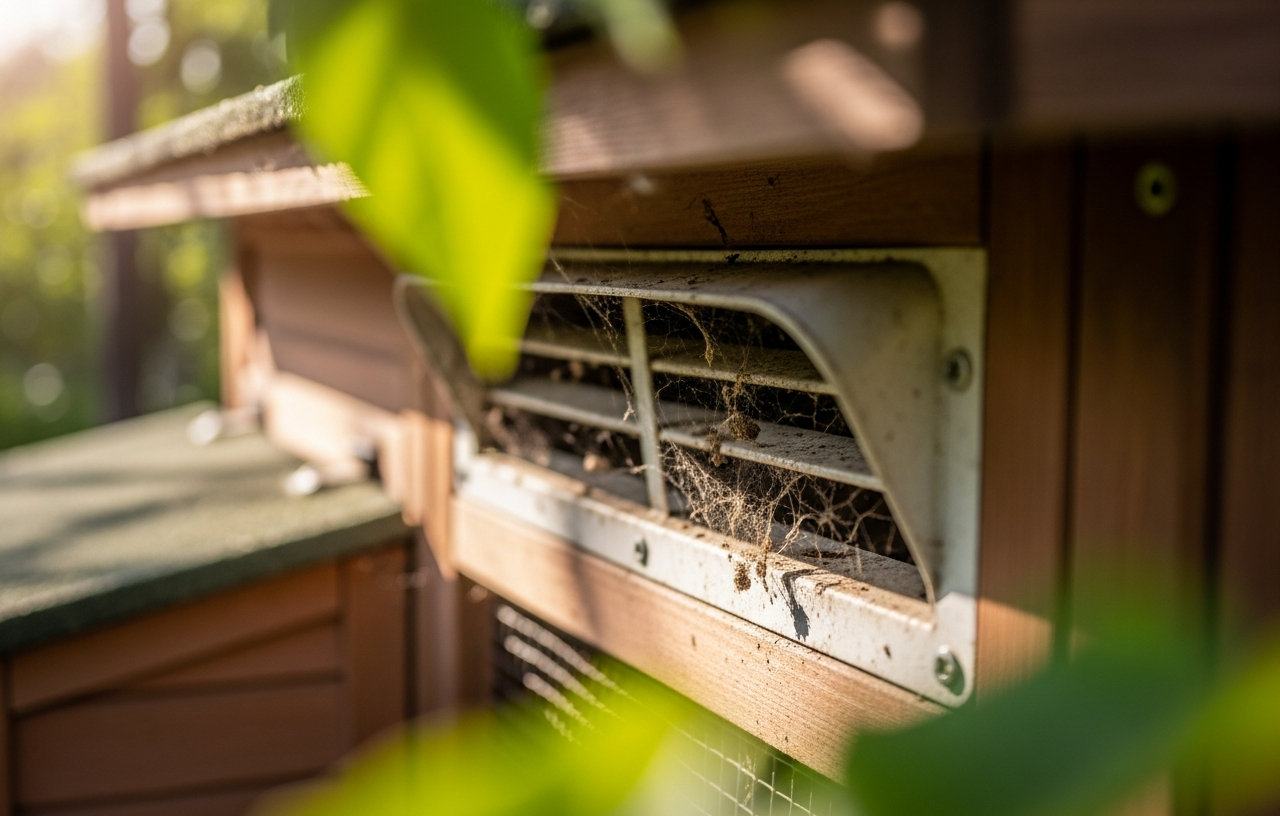
Inspect the fan blades for dust, feathers, spiderwebs, or nesting material. A thick layer of grime can unbalance the fan, reducing its efficiency and straining the motor. Carefully clean the blades using a brush or compressed air. Also, check the intake and exhaust vents. These can become blocked by accumulated bedding, dirt, or even small animal nests. Clear any obstructions to allow for proper airflow. Regularly cleaning your coop helps prevent these blockages. For a complete cleaning routine, refer to our article, Your Ultimate Chicken Coop Cleaning Checklist for a Healthy Flock.
Backflow Dampers
Some ventilation systems, including the TOP PICK Solar Exhaust Fan, feature an anti-backflow valve. This valve prevents outside air from entering when the fan is off, but it can get stuck or clogged. Inspect the damper to make sure it opens and closes freely. Clean any debris that might be preventing its full operation.
Cost of Clearing Blockages
Clearing blockages typically costs nothing if you do it yourself, requiring only basic cleaning supplies. If a professional handyman is called for a simple cleaning, expect to pay $40-$80 for their time.
3. Fan Motor Failure
A humming sound with no blade movement, or a complete lack of activity despite power, often points to a motor issue. Fan motors have a lifespan, and the dusty, humid environment of a chicken coop can shorten it.
Signs of a Failing Motor
- No movement, but power is present: The fan may hum or click, but the blades do not spin.
- Slow or inconsistent spinning: The fan might struggle to reach full speed or spin erratically.
- Loud or grinding noises: Worn bearings or internal motor damage can create unusual sounds.
- Overheating: The motor housing might feel hot to the touch.
Troubleshooting and Replacement
First, try manually rotating the fan blades (with the power off). If they are stiff or difficult to turn, the bearings might be seized. In many cases, a faulty motor requires replacement of the entire fan unit. Attempting to repair a small motor can be more costly and time consuming than installing a new one. When choosing a replacement, consider systems like the TOP PICK Solar Exhaust Fan, which is designed for continuous air circulation, effectively removing excess heat, moisture, and dust.
Cost of Motor/Fan Replacement
A replacement exhaust fan for a chicken coop can range from $30 to $150, depending on its size and features. If you hire a handyman for installation, expect labor costs of $50-$100, in addition to the fan's price.
4. Controller or Thermostat Malfunction
Automated ventilation systems often use a thermostat or humidity controller to activate the fan. If the fan is not turning on or off at the correct temperatures or humidity levels, the controller might be faulty.
Testing the Controller
Most controllers have a manual override switch. Engage this to see if the fan operates. If it does, the fan and its power supply are likely fine, and the issue lies with the controller. Test the thermostat by adjusting its set point significantly above or below the current coop temperature. For a humidity controller, try introducing steam or mist to rapidly increase the humidity. If the fan does not respond as expected, the controller may need recalibration or replacement.
Cost of Controller Replacement
A new thermostat or humidity controller for a coop ventilation system typically costs $20-$70. A handyman might charge $40-$80 for the labor.
5. Improper System Design or Installation
Sometimes, the ventilation system itself is not broken, but it was never adequate for the coop's size or was installed incorrectly. This is less common for a system that suddenly stops working, but it can contribute to a system's early failure or perceived underperformance.
Assessing Airflow
Your coop needs both intake and exhaust ventilation. Air must be able to enter low and exit high. If your fan is trying to pull air from a sealed environment, it will struggle. Check for sufficient passive vents or openings. Ensure your fan is appropriately sized for your coop's cubic footage. A fan that is too small will run constantly and still fail to move enough air. For more details on proper airflow, review Chicken Coop Ventilation: Why It Matters More Than Heat.
Checking for Air Leaks
Unintended gaps or cracks in the coop walls or ceiling can create short circuits in your ventilation, drawing air from places other than your intended intake vents. Seal these gaps with caulk or weatherstripping to direct airflow efficiently through the designed system. This also aids in Chicken Coop Predator Proofing: How to Protect Your Flock.
Cost of Design/Installation Corrections
Correcting design flaws might involve adding more vents ($10-$50 per vent) or upgrading to a larger fan ($50-$200). Sealing leaks is often a low-cost DIY project, requiring caulk or weatherstripping for under $30.
When to Call a Professional
Most chicken coop ventilation issues are simple enough for a DIY fix. However, if you are uncomfortable working with electrical wiring, cannot identify the source of the problem, or the issue involves your home's main electrical system, it is wise to call a professional. An electrician or experienced handyman can safely diagnose and repair complex issues, ensuring your system operates correctly and your flock remains healthy.
Maintaining Your Ventilation System
Regular maintenance can prevent many ventilation system failures. Clean fan blades and vents monthly. Inspect wiring and connections quarterly. For solar panels, wipe them clean every few weeks. Proactive care extends the life of your system and provides consistent fresh air for your chickens.
Solar Exhaust Fan, 25W Solar Panel + 8" Ventilation Vent Fan, with Power Adapter, Anti-backflow Valve, High Speed Solar Powered
- Our 8" solar fan for chicken coop is equipped with 25W high-efficiency solar panel with adjustable.
- Our solar panel with a power adapter, without worrying about the fan not working at night or on rainy.
- This solar exhaust fan kit promotes air circulation to effectively remove excess heat, moisture, dust and.
- The solar panel is crafted from premium monocrystalline silicon material, featuring a toughened glass.