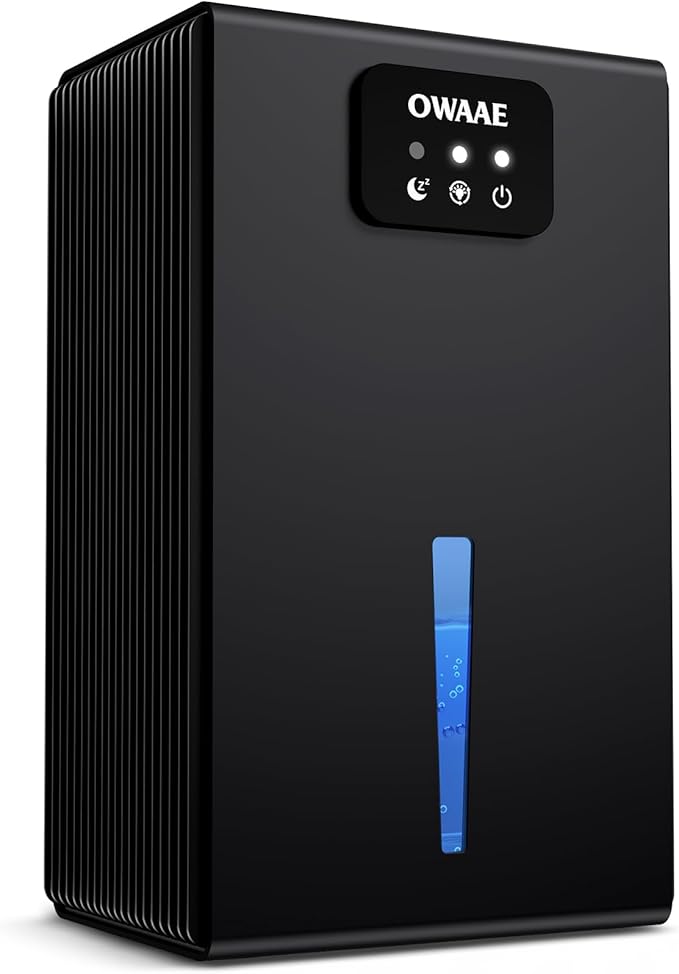
Dehumidifier, 1000 sq.ft Quiet Dehumidifiers for Home Bedroom Basement Bathroom with 95oz Water Tank, Sleep Mode Auto Shut-Off 7
- Effective Moisture Control for Home: OWAAE dehumidifier is designed to reduce excess moisture and help.
- Ultra-Quiet Operation for Bedrooms Comfort: With a low-noise sleep mode operating under 30 dB, this.
- Reliable Performance in Bathrooms and Enclosed Spaces: Optimized for enclosed areas where humidity tends.
- Automatic Shut-Off Operation: Built-in safety protection automatically stops operation when the water tank.

Eva-Dry Wireless Mini Dehumidifier, White (E-333)
- ✔ EASY TO USE: This mini dehumidifier is spill and mess free. Just hang and go! Non-toxic, child and pet.
- ✔ MINI DEHUMIDIFIER GOES A LONG WAY: Super dry dehumidifier unit lasts 20-30 days before recharging the.
- ✔ SMALL, SLEEK DESIGN: This portable small design lets you hang or conveniently place the dehumidifier.
- ✔ 100% CORDLESS DEHUMIDIFIER: Moisture out: Cords out! No cables or batteries required. Just charge your.
A sticky, muggy feeling inside your chicken coop often signals a problem, one that can quickly lead to respiratory issues and frostbite for your flock. High humidity typically stems from three main issues: inadequate ventilation, external moisture intrusion, or excessive internal moisture sources. Identifying the source is the first step to a healthier environment for your chickens.
Excess moisture in a chicken coop creates an ideal breeding ground for bacteria, mold, and parasites. It can also exacerbate ammonia odors from droppings, irritating chickens' delicate respiratory systems. In winter, humid air combined with cold temperatures increases the risk of frostbite on combs and wattles. Addressing humidity promptly protects your flock's health and comfort.
Insufficient Ventilation
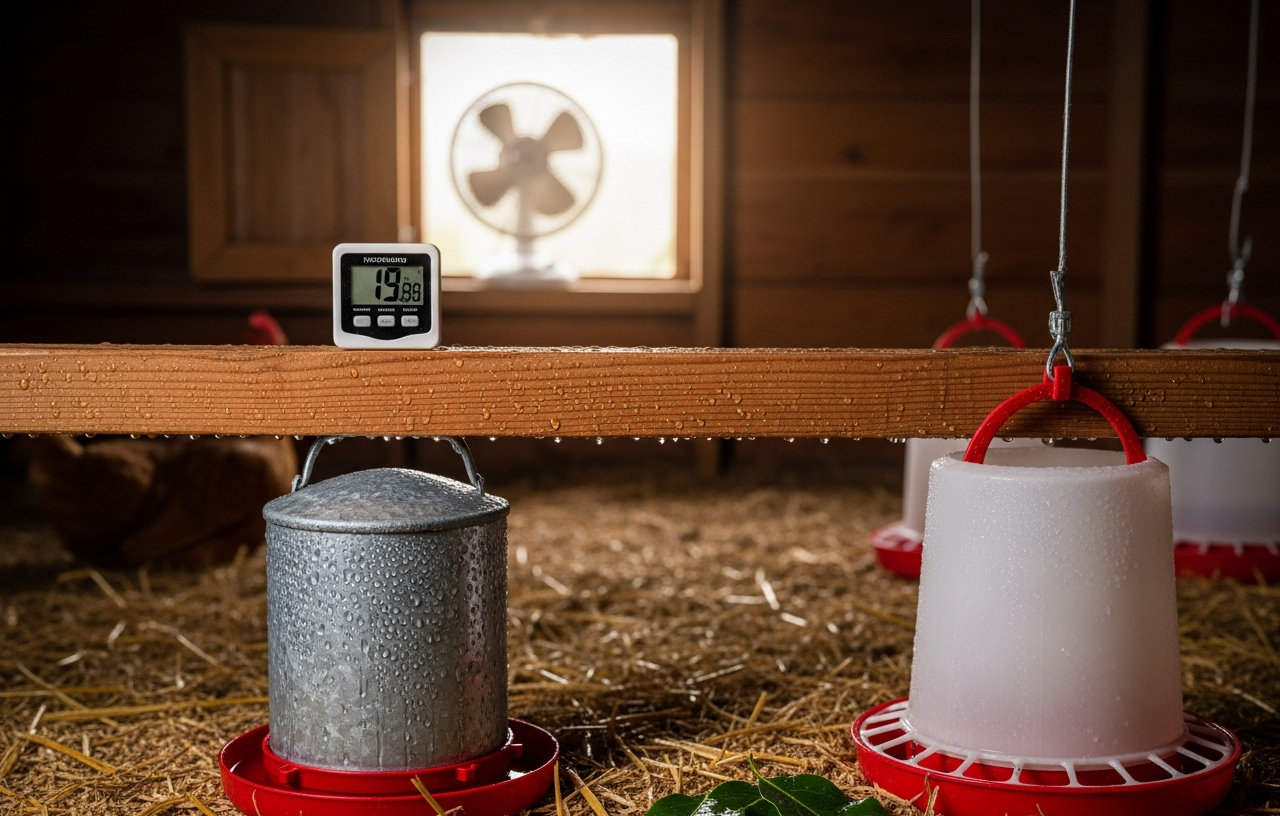
Chickens naturally produce a significant amount of moisture through their respiration and droppings. Without proper airflow, this moisture becomes trapped inside the coop, raising humidity levels. A poorly ventilated coop feels stuffy, smells strongly of ammonia, and might show condensation on walls or ceilings, especially during colder months.
Diagnosing Ventilation Issues
Check your coop's existing ventilation. Does it have openings near the roofline to allow hot, moist air to escape? Are there lower vents or gaps to draw in fresh, dry air? Good ventilation allows air to move freely, creating a slight draft without directly hitting the birds.
Stand inside the coop for a few minutes. If the air feels stagnant, heavy, or has a strong ammonia smell, ventilation is likely insufficient. You should feel a gentle air current, not a dead zone.
Solutions for Better Airflow
Adding more vents is often the simplest solution. Consider installing soffit vents, ridge vents, or even small exhaust fans. For detailed guidance, refer to our article on Chicken Coop Ventilation: Why It Matters More Than Heat.
- Roof Vents: Install static vents or small turbine vents at the highest point of the coop.
- Gable Vents: Add screened openings on the gable ends of the coop.
- Window Screens: If your coop has windows, keep them open during the day, protected by hardware cloth to prevent predators.
- Small Fans: In situations with persistent humidity, a small, weather-resistant exhaust fan can actively pull moist air out. These can cost between $30 and $100 for the fan unit. Electrician labor for installation might add $150-$300.
DIY vent installation involves material costs ranging from $20 to $100, depending on the type and quantity of vents. Professional help for complex installations, such as roof vents, could cost $100-$300 for labor, plus materials.
External Moisture Intrusion
Sometimes, the humidity comes from outside the coop. Leaks in the roof, gaps in the walls, or poor drainage around the coop can allow rain, melting snow, or ground moisture to seep in. This external water then evaporates inside, increasing the coop's humidity.
Diagnosing External Leaks
Inspect the coop's exterior and interior after a rainstorm. Look for damp spots on walls, ceiling, or bedding. Check the roof for missing shingles, cracked seams, or damaged flashing. Examine the foundation and lower walls for signs of water pooling or wicking up from the ground.
Walk around the coop to see if water collects near the base. Improper grading can direct rainwater toward the coop instead of away from it.
Repairing Leaks and Improving Drainage
Patch roof holes with appropriate roofing materials, seal cracks in walls with caulk or weather stripping, and make sure windows and doors close tightly.
- Roof Repairs: Simple patching materials cost $10-$50. For significant roof damage, professional repair could range from $300 to $1000+, depending on the coop size and damage extent.
- Sealing Gaps: Tubes of exterior-grade caulk cost $5-$15. Weather stripping is $10-$30 per roll.
- Ground Drainage: Create a French drain or dig shallow trenches to divert water away from the coop. This might involve gravel and landscape fabric, costing $50-$200 for materials, or professional landscaping services at $200-$500+.
A properly sealed and elevated coop keeps external moisture out. Consider elevating your coop on blocks or a small foundation if it sits directly on damp ground.
Internal Moisture Sources
Even with good ventilation and a watertight structure, internal factors can contribute to high humidity. The most common culprits are spilled water from chicken waterers and damp, inadequate bedding.
Waterer Issues
Open water containers can lead to frequent spills as chickens drink or splash. These spills soak the bedding, introducing moisture into the coop environment. Traditional open water dishes are particularly problematic for this.
Solutions for Waterer-Related Humidity
Switch to a no-spill waterer. Nipple waterers or cup waterers significantly reduce spillage. Hanging waterers also help keep them clean and prevent bedding from soaking up water from the ground. Explore options in our guide to Best Chicken Waterer Options for a Healthy Flock.
A new, no-spill chicken waterer typically costs $20-$50.
Damp Bedding
Bedding absorbs moisture from droppings and spills. If bedding is not changed regularly, or if too much is added at once without proper management, it becomes a major source of humidity and ammonia. The deep litter method, if not managed correctly, can also lead to humidity issues.
Solutions for Bedding-Related Humidity
Regularly remove soiled and wet bedding. Replace it with fresh, dry material. For best results, use absorbent bedding types such as pine shavings or hemp. Learn more about options in our article Best Chicken Coop Bedding: Pine Shavings vs Sand vs Hemp.
If using the deep litter method, make sure you turn the bedding frequently to allow it to compost and dry out. Add fresh, dry carbon material (like pine shavings or straw) as needed. A thin layer of diatomaceous earth can help absorb some moisture, but it is not a primary solution.
Bedding costs vary but expect to spend $15-$30 for a large bale of pine shavings or a bag of hemp bedding.
Naturally High Humidity Climates
Some regions simply have naturally high outdoor humidity. In these cases, even a well-ventilated coop might struggle to stay dry, especially during hot, muggy summers or prolonged rainy seasons.
Supplemental Dehumidification
For persistent humidity in challenging climates, a dedicated dehumidifier can be an effective tool. These devices actively remove moisture from the air, creating a healthier environment for your flock.
The [TOP PICK] Dehumidifier, 1000 sq.ft Quiet Dehumidifiers for Home Bedroom Basement Bathroom with 95oz Water Tank, Sleep Mode Auto Shut-Off 7 offers effective moisture control for larger coops or enclosed spaces. It is designed to reduce excess moisture and operates quietly, which is important for sensitive animals. Its auto shut-off feature prevents overflow, giving you less to worry about. For smaller coops or targeted spots, the Eva-Dry Wireless Mini Dehumidifier, White (E-333) provides a compact, spill-free option. This mini dehumidifier unit lasts 20-30 days before needing a recharge, making it convenient for areas without easy power access.
The cost of a dehumidifier ranges from $50 for a mini unit to $200+ for a larger, more powerful model. Factor in electricity costs, which can add $5-$20 per month depending on usage and local rates.
Impact of Humidity on Chicken Health
High humidity is not just uncomfortable, it poses several health risks to your flock:
- Respiratory Issues: Moist air can aggravate chicken respiratory systems, making them more susceptible to infections.
- Mold and Fungi: Damp environments promote the growth of mold and fungi, which can lead to respiratory problems and other illnesses if ingested.
- Parasites: Mites and lice thrive in damp, dirty conditions. Regular cleaning and dry bedding help deter these pests. Learn more about managing these in .
- Frostbite: In cold weather, moisture in the air combined with low temperatures rapidly increases the risk of frostbite on chickens' combs, wattles, and feet.
- Ammonia Buildup: High humidity traps ammonia fumes from droppings, leading to a strong, irritating smell that is detrimental to lung health.
Preventative Measures and Ongoing Maintenance
Keeping your chicken coop dry and healthy requires ongoing attention. Regular maintenance helps prevent humidity problems before they start.
- Daily Checks: Quickly check for spills around waterers and for excessively wet spots in the bedding.
- Weekly Cleaning: Spot clean soiled bedding and add fresh, dry material.
- Monthly Deep Clean: Perform a thorough coop cleaning, removing all bedding, scrubbing surfaces, and allowing the coop to air out completely. Our Your Ultimate Chicken Coop Cleaning Checklist for a Healthy Flock provides a detailed guide.
- Monitor Weather: Be extra vigilant during rainy or humid periods. Adjust ventilation as needed.
- Inspect Structure: Periodically check the coop's roof, walls, and foundation for any signs of wear or damage that could lead to leaks.
Maintaining a dry coop environment protects your flock from various health issues and ensures their comfort. By addressing ventilation, managing moisture sources, and performing regular maintenance, you can keep your chickens healthy and happy throughout the year.
Dehumidifier, 1000 sq.ft Quiet Dehumidifiers for Home Bedroom Basement Bathroom with 95oz Water Tank, Sleep Mode Auto Shut-Off 7
- Effective Moisture Control for Home: OWAAE dehumidifier is designed to reduce excess moisture and help.
- Ultra-Quiet Operation for Bedrooms Comfort: With a low-noise sleep mode operating under 30 dB, this.
- Reliable Performance in Bathrooms and Enclosed Spaces: Optimized for enclosed areas where humidity tends.
- Automatic Shut-Off Operation: Built-in safety protection automatically stops operation when the water tank.
Eva-Dry Wireless Mini Dehumidifier, White (E-333)
- ✔ EASY TO USE: This mini dehumidifier is spill and mess free. Just hang and go! Non-toxic, child and pet.
- ✔ MINI DEHUMIDIFIER GOES A LONG WAY: Super dry dehumidifier unit lasts 20-30 days before recharging the.
- ✔ SMALL, SLEEK DESIGN: This portable small design lets you hang or conveniently place the dehumidifier.
- ✔ 100% CORDLESS DEHUMIDIFIER: Moisture out: Cords out! No cables or batteries required. Just charge your.