
Land Guard 19 Gauge Hardware Cloth, 1/2 inch Chicken Wire Fence, Galvanized Welded Cage Wire Mesh Roll Supports Poultry Netting
- Material and size: The size of the hardware cloth is 16 inch×50 ft and 1/2 inch×1/2 inch thickness, adopt.
- The amazing craft projects: select high quality iron wire to be welded into wire fencing and then.
- Perfect poultry netting: Are you still worried about your chickens, ducks, rabbits, and other farm animals.
- Multifunctional use: You can freely cut this chicken wire fencing into what appearances you want. The.

Tongmo 24" x 100' Black Hardware Cloth, 1inch Mesh Chicken Wire Fence, 19 Gauge Vinyl Coated Wire and Welded Wire Roll,Garden
- 👍Sturdy Structure & Vinyl-coated Steel: Our 1inch mesh hardware cloth is welded with durable steel.
- 👍Perfect Poultry Netting: This wire mesh roll fit most sizes of animal cages, is suitable as a poultry.
- 👍Flexible Application: The hardware cloth is widely used in agriculture and farming, and can be conformed.
- 📌Warm Reminder: Please note whether its size and specifications is what you need before buying; Be careful.
The sudden silence from your chicken run, followed by scattered feathers, is a stark reminder of how vulnerable a flock can be to predators. Chickens are easy targets for a wide range of animals, from cunning foxes and persistent raccoons to stealthy snakes and opportunistic birds of prey. Building a secure environment for your flock is not just about comfort, it is about survival. A well-fortified chicken run keeps your birds safe and allows you to rest easy knowing they are protected.
Understanding Common Chicken Predators
To effectively predator proof a chicken run, you must understand the threats. Each predator has different methods of entry, requiring specific defensive strategies. Knowing your local wildlife is the first step in creating a secure enclosure.
- Foxes: These can climb, jump, and dig. They are active day and night.
- Raccoons: Known for their dexterity, raccoons can open latches, climb, and tear through flimsy wire. They are primarily nocturnal.
- Weasels and Skunks: Small and agile, they can squeeze through tiny openings. Weasels are particularly dangerous, often killing multiple birds.
- Hawks and Owls: These birds of prey attack from above. Hawks hunt during the day, while owls are nocturnal.
- Snakes: Smaller snakes target eggs and chicks, while larger constrictors can take adult chickens. They can squeeze through very small gaps.
- Dogs and Cats: Even domestic animals can pose a threat if they have a strong prey drive.
Essential Tools and Materials for Predator Proofing
Before you begin, gather the necessary tools and materials. Having everything on hand will make the process more efficient and safer.
Required Tools:
- heavy duty work gloves
- Wire cutters or tin snips
- Staple gun and heavy duty staples
- Drill with appropriate bits
- Measuring tape
- Shovel or trenching tool
- Post-hole digger (if installing new posts)
- Zip ties or hog rings (optional, for extra secure wire connections)
- Safety glasses
Required Materials:
- Hardware cloth: Use 1/2 inch mesh, 19 gauge or stronger, galvanized or vinyl-coated. This material is essential for how to predator proof chicken coop walls and floors.
- Wood screws or construction screws
- Concrete mix (for burying hardware cloth or posts)
- heavy duty latches and locks for doors
- Pressure-treated lumber or sturdy posts
- Roofing material (metal panels, heavy duty tarp, or sturdy wire mesh)
For ground barriers and wall reinforcement, a 1/2 inch mesh, 19 gauge hardware cloth is ideal. Products like the Land Guard 19 Gauge Hardware Cloth, with its 1/2 inch by 1/2 inch galvanized welded wire, provide excellent protection against various threats. It comes in a 16 inch by 50 foot roll, making it suitable for burying aprons or reinforcing lower walls. Another strong option is the Tongmo 24" x 100' Black Hardware Cloth. This 19 gauge, 1 inch mesh is vinyl-coated, offering extra durability and corrosion resistance, and its larger size can be useful for covering larger areas or creating secure overhead netting.
step by step Guide to Predator Proofing Your Chicken Run
Follow these steps carefully to create a fortress for your flock. This comprehensive approach addresses how to keep predators out of chicken coop areas and how to keep predators from digging under chicken coop structures.
1. Install a Hardware Cloth Apron (Burying Protection)
Digging predators like foxes, coyotes, and raccoons will try to tunnel under your run. An apron prevents this. This is the most effective method for how to keep predators from digging under chicken coop walls.
- Dig a trench: Around the entire perimeter of your chicken run, dig a trench that is at least 12 inches deep and 12-18 inches wide.
- Lay hardware cloth: Place a section of 1/2 inch hardware cloth into the trench. One edge should extend upwards along the outside of your run's wall, securely fastened to the run frame.
- Flare the cloth: The rest of the hardware cloth should lie flat along the bottom of the trench, extending outwards from the run. This creates an L-shaped barrier.
- Backfill the trench: Fill the trench with dirt, rocks, or even concrete for maximum security. When a predator tries to dig, they will hit the horizontal hardware cloth and give up.
2. Reinforce Walls and Roof with Hardware Cloth
Chicken wire, while common, is not predator proof. Raccoons can tear it, and larger predators can bite through it. You must upgrade to hardware cloth.
- Remove old fencing: Take down any existing chicken wire or flimsy fencing.
- Attach hardware cloth: Starting from the bottom, securely fasten 1/2 inch hardware cloth to all vertical walls of your run. Overlap seams by several inches and fasten them tightly with heavy duty staples or screws with washers. Make sure there are no gaps larger than 1/2 inch.
- Secure the roof: For overhead protection from hawks and owls, cover the entire top of the run with hardware cloth or a sturdy metal mesh. If using hardware cloth, make sure it is taut and well-supported to prevent sagging under snow or rain. The Tongmo 24" x 100' Black Hardware Cloth can be effective here due to its wider width, but remember its 1-inch mesh is not suitable for ground aprons or snake proofing.
- Consider a solid roof: A solid roof provides additional protection from aerial predators and weather.
3. Secure All Entry Points
Doors and gates are often weak points. Predators are smart and will test these.
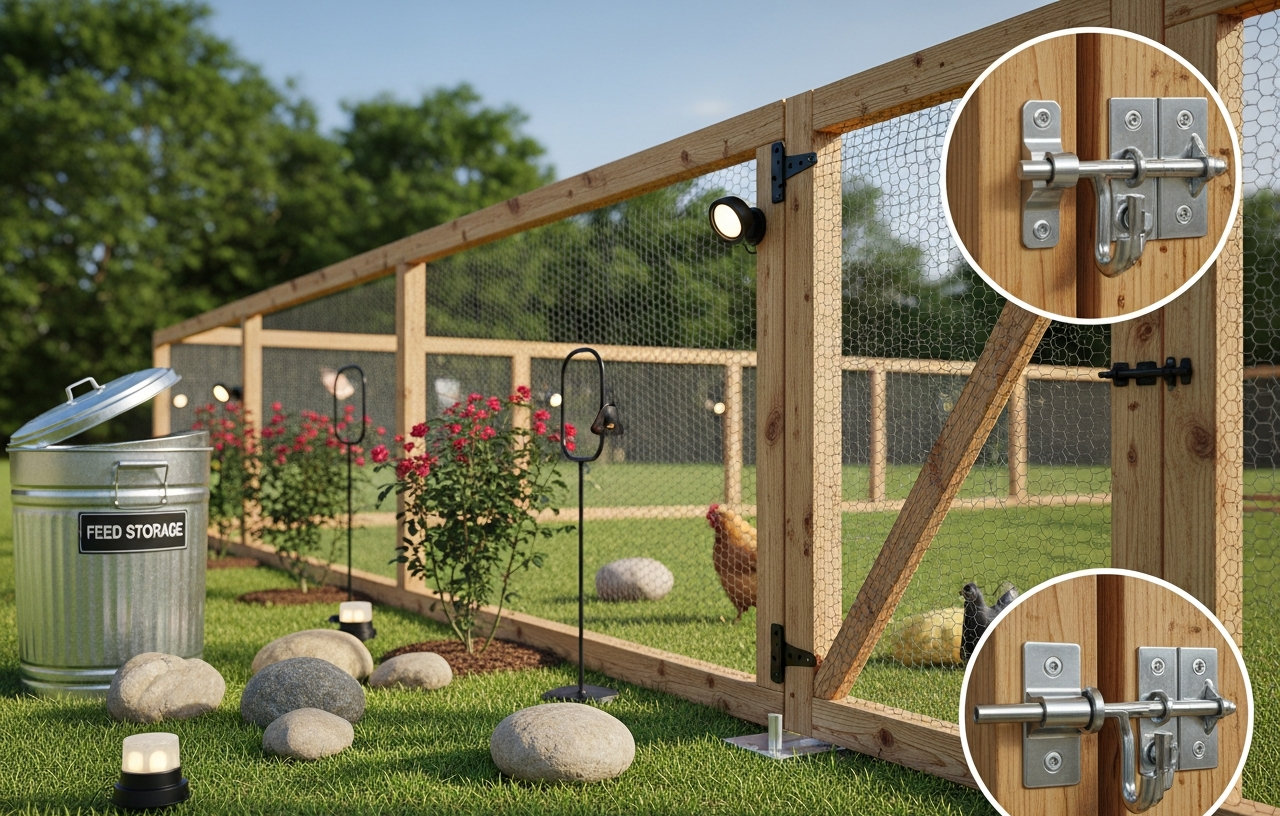
- Install sturdy latches: Use heavy duty, spring-loaded latches that require two actions to open. Carabiners or padlocks provide extra security. Raccoons are known for their ability to manipulate simple latches.
- Double check gaps: Make sure doors fit snugly within their frames, leaving no gaps larger than 1/2 inch when closed. Add weather stripping or extra hardware cloth around the edges if needed.
- Consider automatic doors: An automatic chicken coop door can close your flock in securely at dusk and open at dawn, reducing human error. You can find excellent options researched from user reviews at Best Automatic Chicken Coop Doors: Set It and Forget It.
4. Snake Proofing Your Chicken Coop and Run
Snakes, even small ones, can enter tiny gaps to steal eggs or prey on chicks. How to snake proof chicken coop structures requires diligence.
- Small mesh hardware cloth: For areas where snakes are a concern, use 1/4 inch hardware cloth for the lowest 12-18 inches of your coop walls and around any small openings.
- Seal all gaps: Inspect your coop for any cracks, knot holes, or openings where wires meet wood. Seal these with caulk, expanding foam, or small pieces of hardware cloth.
- Elevate the coop: A coop raised off the ground makes it harder for snakes to enter.
- Remove hiding spots: Keep the area around the coop clear of tall grass, woodpiles, or debris that snakes can hide in.
5. Add Extra Deterrents and Monitoring
Beyond physical barriers, other measures can help keep predators away from chicken coop areas.
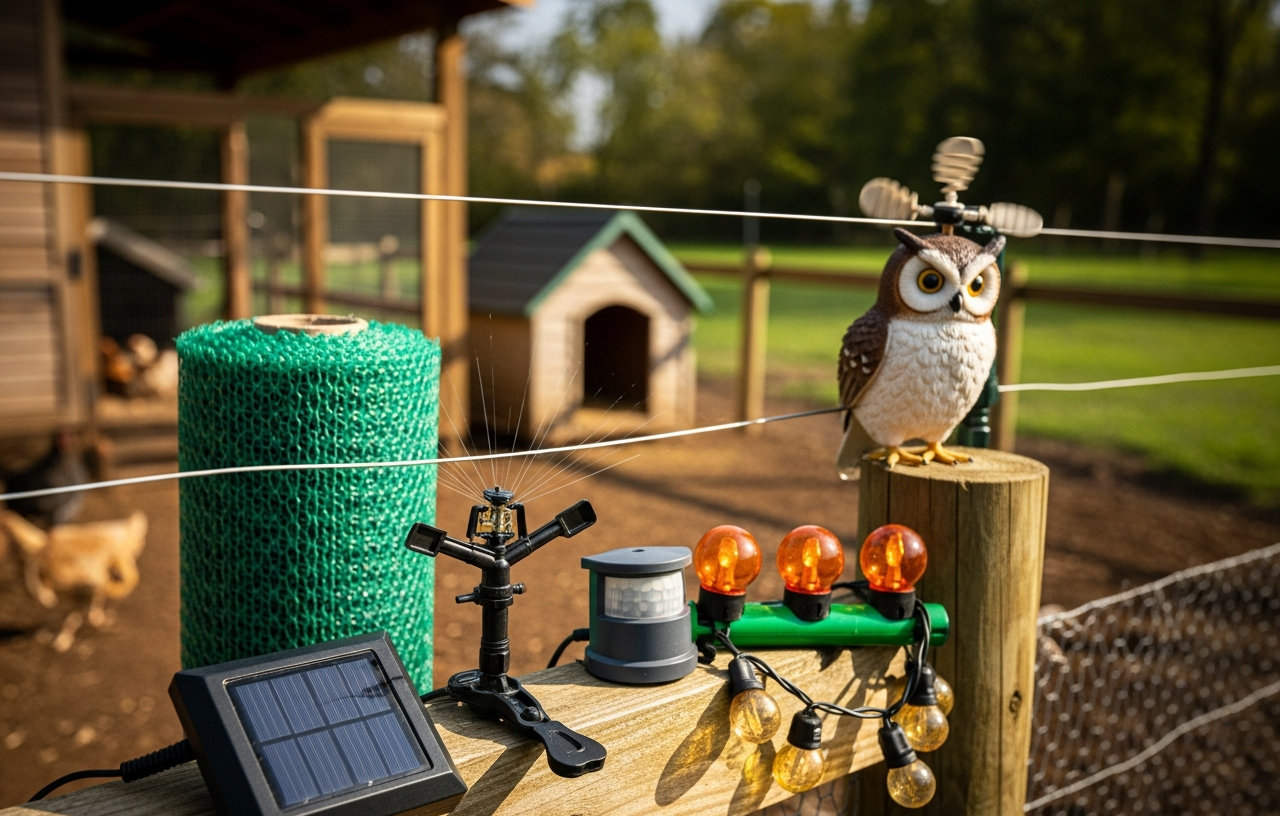
- Motion-activated lights: Sudden bright lights can startle nocturnal predators.
- Noise makers: Radios playing talk radio or other human sounds can deter some animals.
- Guard animals: Dogs, donkeys, or llamas can deter predators, but this is a significant commitment.
- Regular cleaning: Keep the area around your run clean. Spilled feed attracts rodents, which in turn attract larger predators.
- Secure feed storage: Store all chicken feed in airtight, predator-proof containers.
- Trail cameras: If you are unsure what predators are targeting your flock, a trail camera can help identify them, allowing you to tailor your defenses.
"Vigilance is a chicken keeper's most powerful tool. Regularly inspect your coop and run for new weaknesses, especially after storms or changes in weather. A small gap today can be a major entry point for a predator tomorrow."
Ongoing Maintenance and Inspection
Predator proofing is not a one-time task. Regular inspections are necessary to maintain security.
- Check for wear and tear: Look for bent wires, loose staples, or damaged wood. Repair these promptly.
- Inspect for digging attempts: Regularly check the perimeter for signs of digging. Refill any disturbed areas and reinforce with more hardware cloth if needed.
- Test latches: Make sure all latches are still secure and functioning correctly.
- Clear vegetation: Keep grass and brush trimmed around the run. Dense foliage offers cover for predators.
If you encounter persistent predator issues that seem beyond your DIY capabilities, consider contacting a local pest control service. Professional services for predator removal or deterrent installation can range from $80-$150 for a service call, with additional costs for specific treatments or trapping. This can be a worthwhile investment for severe problems.
Creating a truly predator-proof chicken run requires attention to detail and consistent effort. By implementing these strategies, focusing on robust materials like hardware cloth, and conducting regular checks, you can significantly reduce the risk to your flock. Your efforts will result in a healthier, happier, and safer environment for your chickens.
Land Guard 19 Gauge Hardware Cloth, 1/2 inch Chicken Wire Fence, Galvanized Welded Cage Wire Mesh Roll Supports Poultry Netting
- Material and size: The size of the hardware cloth is 16 inch×50 ft and 1/2 inch×1/2 inch thickness, adopt.
- The amazing craft projects: select high quality iron wire to be welded into wire fencing and then.
- Perfect poultry netting: Are you still worried about your chickens, ducks, rabbits, and other farm animals.
- Multifunctional use: You can freely cut this chicken wire fencing into what appearances you want. The.
Tongmo 24" x 100' Black Hardware Cloth, 1inch Mesh Chicken Wire Fence, 19 Gauge Vinyl Coated Wire and Welded Wire Roll,Garden
- 👍Sturdy Structure & Vinyl-coated Steel: Our 1inch mesh hardware cloth is welded with durable steel.
- 👍Perfect Poultry Netting: This wire mesh roll fit most sizes of animal cages, is suitable as a poultry.
- 👍Flexible Application: The hardware cloth is widely used in agriculture and farming, and can be conformed.
- 📌Warm Reminder: Please note whether its size and specifications is what you need before buying; Be careful.