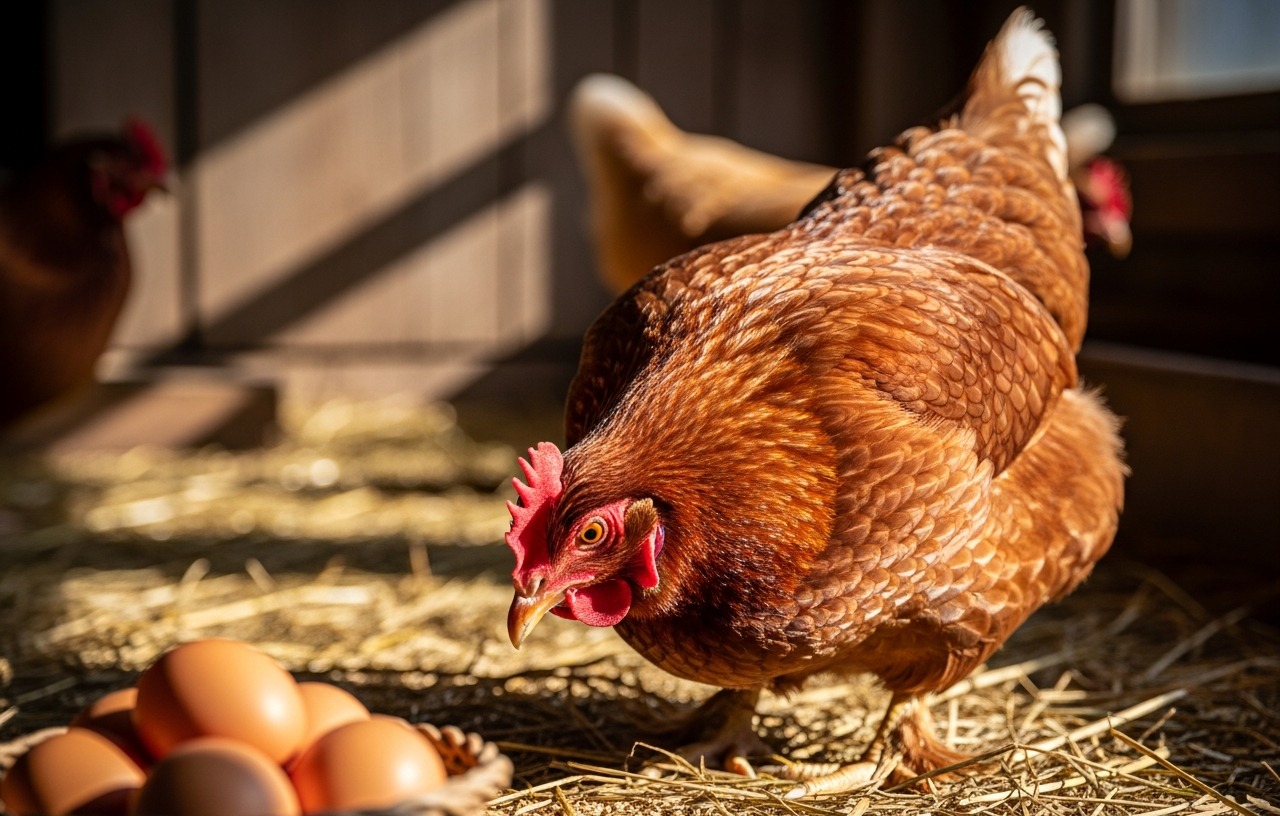

Eaton Pet and Pasture, Premium Laying Hen Nesting Pads, USA Grown & Sustainably Harvested, 13 x 13 (10 Pack)
- At Eaton, we're committed to producing the most premium products while also minimizing our impact on the.
- We believe that the quality of our product begins with the love and care we put into packaging it. That's.
- Your laying hens deserve the best, which is why we offer the softest and comfiest natural padding.
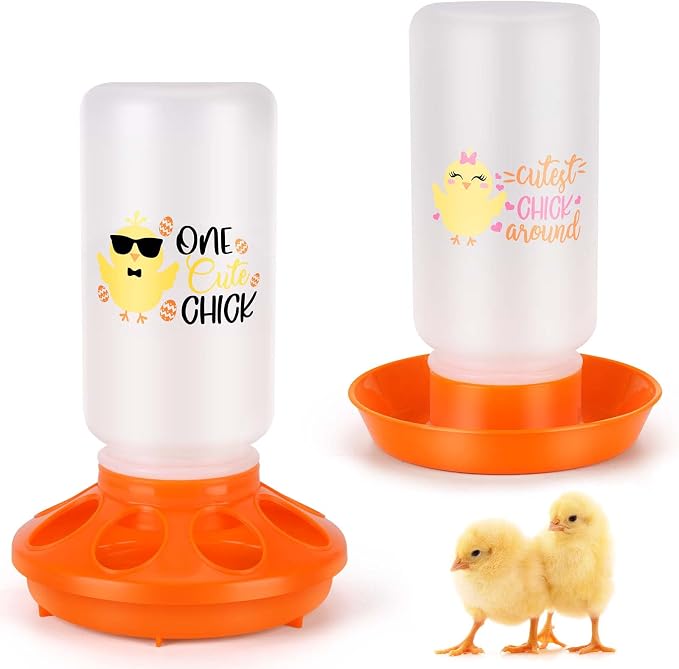
TGEYD Chick Feeder and Waterer Set to Automatic 1L Chicken Feeder and Waterer for Baby Chicks, Ducks, and Quail to Brooder Starter
- 🐤1L Chick Feeder and 1 L Chick Waterer: 8 feeding ports and the chick feeder and waterer kit with.
- 🐤Easy to install and disassemble: Just install the base and screw it upside down on the chicken feeder and.
- 🐤Thoughtful design: The waste-free design of the feeder will not generate additional feed waste; and the.
- 🐤Perfect Chick Starter Kit: Tgeyd chick feeder and chick waterer kit is BPA-free and made of higher.
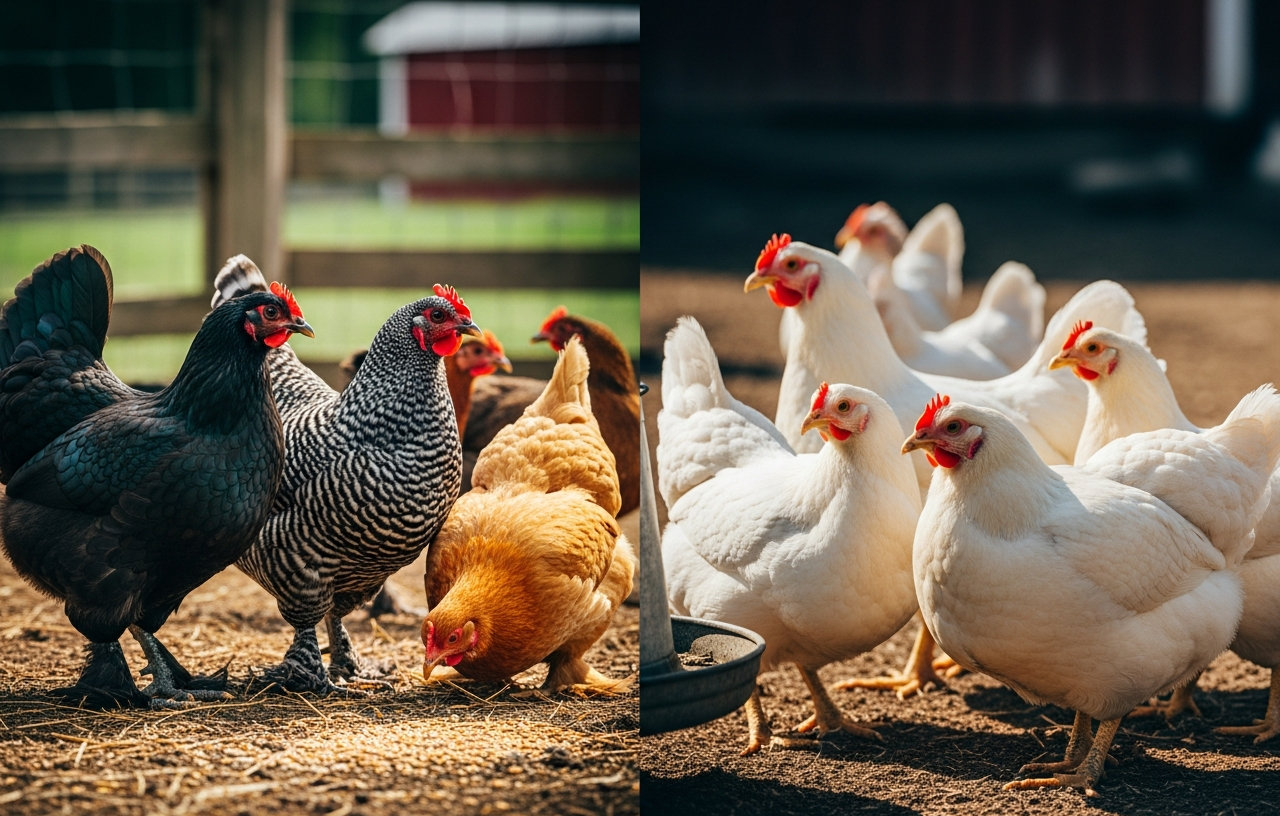
Deciding on the right chicken breed for your backyard flock often comes down to a choice between heritage and hybrid types. For most backyard chicken keepers prioritizing consistent egg production and gentle temperaments, hybrid breeds are often the clearer choice. They offer impressive laying rates and adapt well to various environments, making them a practical option for beginners and experienced keepers alike.
However, the best choice depends entirely on your specific goals. Do you want a self-sustaining flock that can reproduce? Are you looking for meat production as well as eggs? Or is a steady supply of eggs your primary concern, regardless of lifespan?
Understanding Heritage Chicken Breeds
Heritage chicken breeds are traditional breeds that existed before the rise of industrial agriculture. They are recognized by the American Poultry Association (APA) and must meet specific criteria. These birds are known for their natural breeding capabilities, long productive lifespans, and slower growth rates. They maintain genetic diversity and are often robust, hardy birds.
Strengths of Heritage Breeds
- Longevity: Heritage chickens typically live longer than hybrids, often 5 to 10 years or more. They can remain productive layers for a significant portion of their lives.
- Disease Resistance: Many heritage breeds have developed natural resistance to common poultry diseases due to their slower growth and genetic diversity. They are often less prone to the health issues that can affect fast-growing, highly specialized hybrids.
- Natural Foragers: These breeds excel at foraging, finding a good portion of their food from insects, weeds, and seeds if given ample space. This can reduce feed costs, especially for those with large free-ranging areas.
- Broodiness: Many heritage hens retain a strong maternal instinct. They will go broody, sit on eggs, and hatch chicks. This allows for a self-sustaining flock without needing an incubator.
- Meat Quality: While they grow slower, heritage breeds often produce flavorful, well-marbled meat. Their slower growth contributes to a different texture and taste profile compared to commercial broiler chickens.
- Genetic Preservation: Raising heritage breeds helps preserve genetic diversity in poultry, protecting against the loss of unique traits and characteristics.
Weaknesses of Heritage Breeds
- Slower Growth Rate: If you are raising chickens for meat, heritage breeds take significantly longer to reach market weight, often 4 to 6 months.
- Lower Egg Production: While good layers, heritage hens typically lay fewer eggs per year compared to hybrids, averaging 150 to 200 eggs annually.
- Seasonal Laying: Many heritage breeds are more prone to seasonal laying, with production dropping significantly or stopping during colder months or shorter daylight hours. Chicken coop lighting can help, but their natural cycles are stronger.
- Varied Temperament: Temperament can vary widely among heritage breeds. Some are very docile, while others can be more flighty or assertive.
Popular Heritage Breeds
Examples of well known heritage breeds include the Plymouth Rock, Orpington, Wyandotte, Sussex, and Marans. Each offers a unique combination of egg color, size, and temperament.
Understanding Hybrid Chicken Breeds
Hybrid chicken breeds are developed by crossing two or more different purebred lines to achieve specific, desirable traits. These traits often include extremely high egg production, rapid growth for meat, or a calm disposition. Hybrids are typically not able to reproduce true to type, meaning their offspring will not consistently share the parents' characteristics.
Strengths of Hybrid Breeds
- High Egg Production: This is the hallmark of many hybrid layers. They can produce 250 to 300 eggs per year, sometimes even more. Breeds like Golden Comets or Leghorn production strains are egg-laying machines.
- Fast Growth: Hybrid broiler chickens are bred for rapid growth, reaching market weight in as little as 8-10 weeks. This makes them highly efficient for meat production.
- Early Laying: Hybrid hens often start laying eggs at a younger age, sometimes as early as 16-18 weeks. This means a quicker return on your initial investment.
- Feed Efficiency: Hybrids are often very efficient at converting feed into eggs or meat. They are bred to maximize output with optimal input.
- Docile Temperament: Many hybrid laying breeds are specifically selected for their calm and friendly dispositions, making them excellent choices for backyard flocks, especially those with children.
Weaknesses of Hybrid Breeds
- Shorter Lifespan: Due to the intense production demands on their bodies, hybrid layers typically have shorter productive lives, often 2 to 4 years. While they might live longer, their egg production drops off sharply after their peak years.
- Less Broody: Most hybrid hens have had their broodiness bred out of them. This means they are unlikely to sit on eggs and hatch chicks, requiring keepers to purchase new chicks or use an incubator.
- Lack of Genetic Diversity: The specialized breeding of hybrids means less genetic diversity. This can sometimes make them more susceptible to certain health issues or less adaptable to varied environments compared to heritage breeds.
- Cannot Reproduce True: If you try to breed hybrids, their offspring will not reliably inherit the desirable traits of the parent birds.
Popular Hybrid Breeds
Common hybrid breeds include the Golden Comet, Red Star, Black Star, Leghorns (production strains), and Cornish Cross (for meat). These breeds are widely available and popular for their reliable performance.
Comparison Table: Heritage vs. Hybrid Chickens
This table summarizes the key differences between heritage and hybrid chicken breeds:
| Feature | Heritage Breeds | Hybrid Breeds |
|---|---|---|
| Egg Production (per year) | 150-200 eggs | 250-300+ eggs |
| Lifespan | 5-10+ years | 2-4 years (peak production) |
| Growth Rate (for meat) | Slow (4-6 months) | Fast (8-10 weeks) |
| Broodiness | Common | Rare |
| Temperament | Varies, can be flighty | Often docile |
| Foraging Ability | Excellent | Good |
| Genetic Diversity | High | Lower |
| Self-Sustaining Flock | Possible | Unlikely |
Which Chicken Type is Right For You?
Your choice depends on your priorities as a chicken keeper. Consider what you value most in your flock.
Choose Hybrid Breeds If:
- Your main goal is consistent, high egg production. If you want a steady supply of eggs for your family or to sell, hybrids are designed for this purpose.
- You have limited space for foraging. Hybrids are efficient eaters and do not rely as heavily on foraging as heritage breeds.
- You are a beginner. Many hybrid layers are docile and forgiving, making them a good entry point into chicken keeping.
- You want a quick return on investment. Hybrids start laying earlier and produce more eggs in their shorter lifespan.
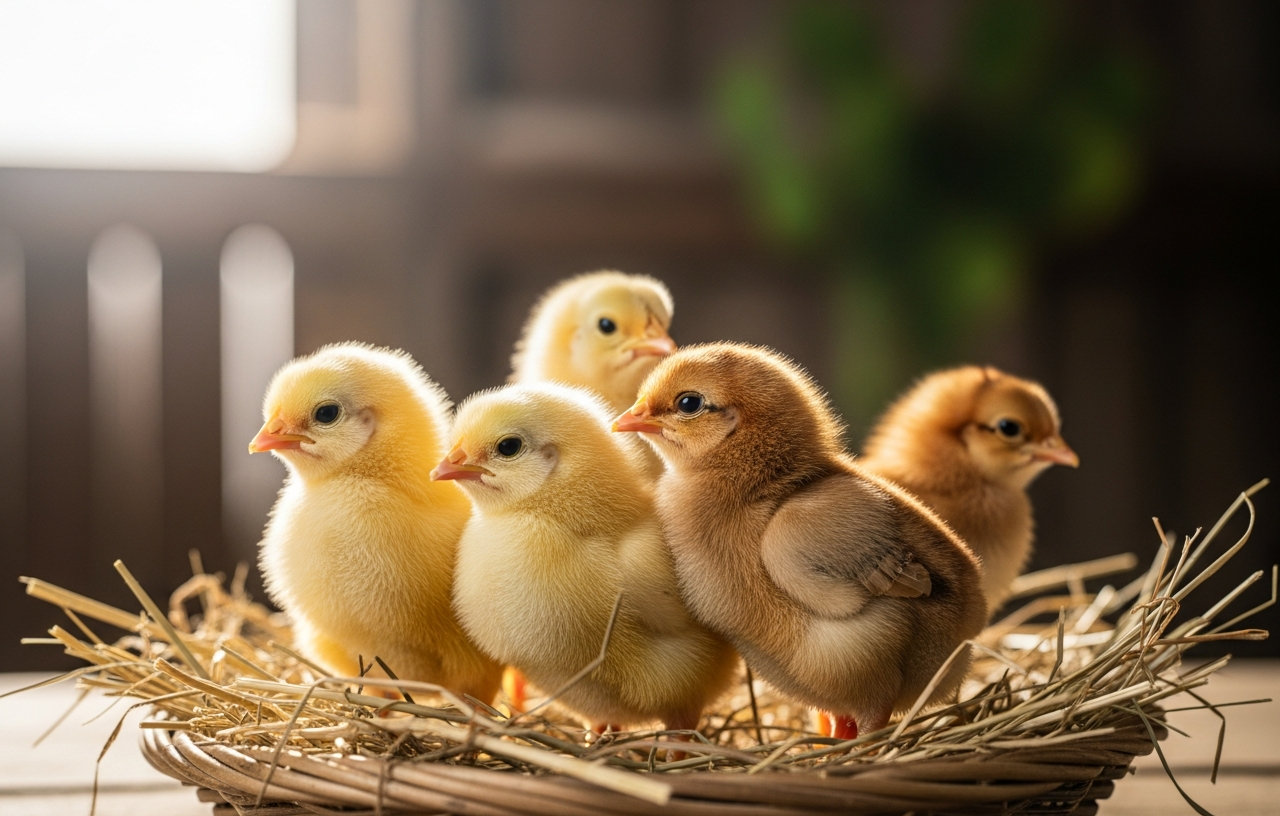
For these prolific layers, providing comfortable nesting areas is essential. We recommend the Eaton Pet and Pasture, Premium Laying Hen Nesting Pads. These USA grown and sustainably harvested pads offer the softest and comfiest natural padding, making sure your hens have an inviting spot to lay their daily eggs. Eaton focuses on premium quality and minimizes environmental impact, a commitment reflected in their product. Proper nesting encourages hens to lay in designated spots, protecting eggs and simplifying collection. When raising baby chicks, setting up a brooder correctly is vital. The TGEYD Chick Feeder and Waterer Set provides a great start. It includes a 1L feeder with 8 feeding ports and a 1L waterer, both designed to be waste-free and easy to clean. This thoughtful design helps minimize feed waste and keeps water clean for your young flock. You can find more details on raising baby chicks for the first 8 weeks, covering all the essentials from brooder setup to initial feeding. For older birds, consider exploring the best chicken waterer options for a healthy flock.
Final Thoughts
Both heritage and hybrid chicken breeds bring unique advantages to the backyard. Hybrid breeds excel in consistent egg production and often have a docile temperament, making them ideal for many modern backyard keepers. Heritage breeds offer longevity, natural broodiness, and excellent foraging skills, appealing to those seeking a more traditional or self-sufficient approach. Evaluate your space, time commitment, and primary goals for your flock before making your selection. Either choice can lead to a rewarding chicken-keeping experience.
Eaton Pet and Pasture, Premium Laying Hen Nesting Pads, USA Grown & Sustainably Harvested, 13 x 13 (10 Pack)
- At Eaton, we're committed to producing the most premium products while also minimizing our impact on the.
- We believe that the quality of our product begins with the love and care we put into packaging it. That's.
- Your laying hens deserve the best, which is why we offer the softest and comfiest natural padding.
TGEYD Chick Feeder and Waterer Set to Automatic 1L Chicken Feeder and Waterer for Baby Chicks, Ducks, and Quail to Brooder Starter
- 🐤1L Chick Feeder and 1 L Chick Waterer: 8 feeding ports and the chick feeder and waterer kit with.
- 🐤Easy to install and disassemble: Just install the base and screw it upside down on the chicken feeder and.
- 🐤Thoughtful design: The waste-free design of the feeder will not generate additional feed waste; and the.
- 🐤Perfect Chick Starter Kit: Tgeyd chick feeder and chick waterer kit is BPA-free and made of higher.