The Initial Price Tag: Baby Chicks Themselves
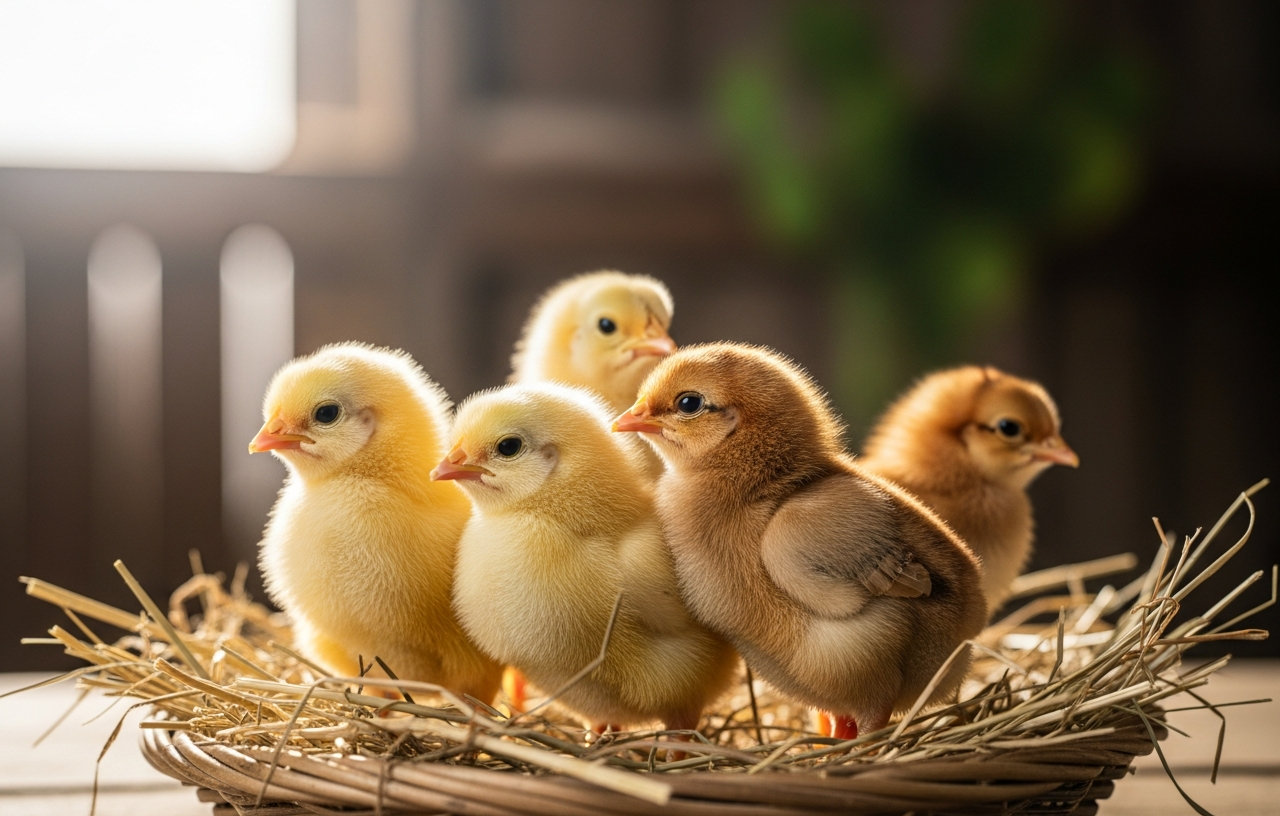
The cost of day-old chicks varies significantly based on breed, sex, and where you buy them. Understanding these factors helps you budget accurately for your new flock.
Breed and Source
Common, high-production egg layers like Rhode Island Reds, Leghorns, or Plymouth Rocks generally fall into the lower end of the price spectrum, often $3 to $7 per chick. These breeds are widely available and popular with backyard keepers. If you are looking for specific traits, such as prolific egg laying, exploring a list of best egg-laying chicken breeds can help you choose.
Specialty or rare breeds, known for unique feather patterns, docile temperaments, or specific meat qualities, can cost $8 to $15 or even more per chick. Examples include Olive Eggers, Silkies, or certain heritage breeds. These often come from smaller hatcheries or breeders.
Hatcheries typically offer chicks for bulk purchase, often with a minimum order of 3 to 15 chicks to make shipping viable. Shipping costs, which include a special heated box and expedited delivery, usually add $30 to $60 to your order. Local feed stores, on the other hand, sell chicks individually or in smaller quantities, often at a slightly higher per-chick price but without shipping fees. You can pick them up directly.
Sexing Your Chicks
Chicks are sold in a few ways, each affecting the price:
- Straight Run: These chicks are unsexed. You get a mix of males (cockerels) and females (pullets) at random. Straight run chicks are the least expensive, often $3 to $5 each.
- Pullets: These are female chicks, sexed by trained professionals. Pullets cost more than straight run, typically $5 to $12 each, because of the labor involved in sexing. Most backyard keepers choose pullets if they primarily want eggs, to avoid unwanted roosters.
- Cockerels: Male chicks are sometimes sold at a very low price, or even given away, as most egg producers do not need them. If you plan to raise chickens for meat or want a rooster for breeding, this can be a cost effective option.
Essential Brooder Setup Costs
Before your chicks arrive, you need a warm, safe place for them to grow for their first 6-8 weeks. This is called a brooder. Setting up a brooder involves several key components, each with its own cost.
Brooder Box
The brooder box itself can be a simple DIY project or a purchased item.
- DIY Brooder: A large cardboard box, plastic storage tote, or even a child's wading pool can serve as a brooder. The cost here is minimal, perhaps $0 to $20 if you already have a suitable container or need to buy a basic tote.
- Purchased Brooder: Dedicated brooder kits or enclosures can cost $50 to $200. These often feature adjustable heights, easy cleaning, and sometimes include other accessories.
Heat Source
Chicks need a consistent heat source to thrive, especially in their first few weeks. Their specific needs are covered in detail in Raising Baby Chicks: Everything You Need the First 8 Weeks.
- Heat Lamp: A heat lamp fixture costs $15 to $30. Heat bulbs, which need replacing, are $5 to $10 each. Be mindful of fire hazards with heat lamps.
- Brooder Plate: A brooder plate, a safer alternative, costs $40 to $80. These provide radiant heat from underneath, mimicking a mother hen, and consume less electricity than heat lamps.
Feeders and Waterers
Chicks need constant access to food and water in containers designed for their small size.
- Chick-Specific Feeders: Small plastic or metal feeders prevent chicks from climbing in and soiling their food. A feeder typically costs $10 to $20.
- Chick-Specific Waterers: Similar to feeders, chick waterers prevent drowning and keep water clean. Expect to pay $10 to $20 for a quality waterer.
Bedding
Pine shavings are a popular and affordable bedding choice for brooders.
- Pine Shavings: A large bale of pine shavings, enough for several brooder changes, costs $5 to $15. Avoid cedar shavings, which can be toxic to chicks.
Chick Starter Feed
Chicks require a specialized high-protein feed during their first weeks.
- Starter Feed: A 25-50 pound bag of chick starter feed costs $20 to $40. This amount should last a small flock through their brooder stage.
DIY Brooder Setup Versus Buying a Kit
Deciding between a completely DIY brooder setup and purchasing a pre-made kit significantly impacts your initial costs and time investment.
Building a brooder from scratch using materials like a large plastic tote or a wooden crate often costs very little, perhaps $10 to $30 for new materials if you don't have them on hand. This approach requires your time to gather items, assemble the setup, and ensure it is safe and functional. These kits typically include a brooder box, heat lamp, feeder, and waterer. A basic kit might cost $70 to $150. While more expensive upfront than a completely DIY solution, a kit saves you the time and effort of sourcing individual components. The convenience factor is the primary benefit, as everything is designed to work together and requires minimal assembly. For those with limited time or who prefer a ready-to-go solution, a kit represents a good value.
Hatching Your Own Chicks: An Alternative Cost Model
Instead of buying day-old chicks, some backyard keepers choose to hatch their own. This involves a different set of initial costs and a more significant time commitment.
Incubator Costs
The primary expense for hatching is the incubator itself. Basic manual incubators start around $50 to $100. More advanced models with automatic turning, humidity control, and precise temperature regulation can cost $150 to $300 or more. While a higher initial investment, an incubator can be reused for many batches over the years, potentially lowering the per-chick cost over time, assuming you achieve good hatch rates.
Fertile Eggs
You need fertile eggs for hatching. These typically cost $2 to $5 per egg, plus shipping, depending on the breed and source. Buying a dozen fertile eggs might cost $30 to $60, including shipping. Compare this to buying a dozen day-old chicks, which could range from $36 to $180, plus shipping.
Electricity and Time
The electricity cost to run an incubator for 21 days is minimal, usually just a few dollars. However, the time investment for monitoring temperature, humidity, and possibly hand-turning eggs is substantial. While hatching your own chicks can be a rewarding experience and a way to get specific rare breeds, it requires dedication and a higher upfront equipment cost than simply purchasing chicks.
Beyond the Brooder: long term Flock Costs
The initial costs for chicks and brooder setup are just the beginning of your financial commitment to a backyard flock. As your chicks grow, their needs change, leading to new expenses.
Grower and Layer Feed
After the chick starter phase, your birds will transition to grower feed, then layer feed once they begin laying eggs. A 50-pound bag of grower or layer feed costs $25 to $50 and typically lasts a small flock for several weeks. Feed will be your largest ongoing expense.
Chicken Coop Investment
A safe, secure, and well-ventilated chicken coop is essential for adult chickens. This is often the single largest expense in backyard chicken keeping. Coops can range from $200 for a basic, pre-fabricated model to over $1000 for a larger, more durable, or custom-built structure. Many keepers build their own coops to save on labor costs, spending $100 to $500 on materials. Considerations like proper ventilation and predator proofing add to the cost but are critical for flock health and safety.
Health Supplies and Veterinary Care
Maintaining a chicken first aid kit is a wise investment. Basic supplies like wound spray, electrolytes, and wormers might cost $30 to $50 initially. While chickens are generally hardy, serious illnesses or injuries can require veterinary attention. Avian vet visits are not cheap, often starting at $80 to $150 for an examination, plus the cost of any medications or procedures. This is an expense you hope to avoid but should be aware of.
Supplements and Treats
While not strictly necessary, many chicken keepers provide supplements like oyster shell for stronger eggshells (around $10-$15 for a bag) and various treats. These add to the overall feed budget but can contribute to flock health and happiness.
When DIY Makes Financial Sense for Your Flock
For many aspects of backyard chicken keeping, the DIY approach can save significant money, primarily by reducing labor costs and allowing for creative use of materials. This holds true for setting up your brooder and building your coop.
Building your own brooder, as discussed, can cut initial setup costs dramatically. If you have basic carpentry skills, access to tools, and enjoy hands-on projects, constructing a brooder from repurposed materials or inexpensive lumber can save you $50 to $150 compared to buying a pre-made kit. Similarly, building your own chicken coop from scratch typically costs $100 to $500 in materials. This is a substantial saving compared to purchasing a pre-built coop, which can easily cost $500 to $1500 or more. The labor you invest translates directly into savings.
However, DIY is not always the best choice. If you lack the time, tools, or confidence for construction, or if your local building codes require specific standards, purchasing ready-made solutions can be a better option. For example, buying a well designed chicken waterer that prevents spills and contamination might be a better investment than a makeshift solution that requires constant refilling and cleaning. The convenience and proven functionality of manufactured items can sometimes outweigh the initial cost savings of DIY. Consider your skills, available time, and long term goals before deciding where to invest your effort and money.
Budgeting for a Healthy Flock
Starting with baby chicks is an exciting venture, but it requires careful financial planning. The initial cost of the chicks themselves is only a small part of the total investment. Budget for a proper brooder setup, ongoing feed, and a secure coop. By understanding these costs upfront, you can make informed decisions, ensuring you provide a healthy and thriving environment for your new backyard chickens.