
Pecking Order Nest Box Pads for Chicken Nesting Boxes - 13 x 13 Pads Made in USA from Sustainably Sourced Aspen Excelsior (10
- The aspen used for our nest box pads are sourced only from forest product companies that are members of.
- Our team carefully sorts through each nest pad to inspect for quality including consistant product.
- Nest box pads make it easier than ever to maintain a clean and healthy nest box by making it quick and.
- Eggs often get buried in straw or pine shavings but excelsior nest box pads help keep eggs elevated for.

PETSFIT Square Chicken Roosting Perch, 55"x40", 8-10 Chickens
- Square Chicken Roosting Bar:The unique square design prevents rotation,ensuring chickens stand stably.The.
- Larger Size: The 55"L x 40"W metal chicken roosting bars features a 4-layer tiered design, accommodating.
- Sturdy and Durable: Made from premium galvanized iron pipes and solid wood, our chicken perch is.
- Easy to Install and Clean: With clearly labeled parts and a user friendly manual, our chicken perch for.

Chicken Runs for Yard,79" & 157" Extra Long Foldable Chicken Tunnels for Outside,All-in-One Kit with Sun Protection Net,
- This set includes everything for setup and use: the foldable tunnel frame (79" or 157"), a sun protection.
- The attached shade net provides a cool, sheltered area for your flock, protecting them from direct.
- Features a convenient removable door with a smooth zipper. It can be directly attached to your main.
- Lightweight and easily folds down for effortless moving, storage, or reconfiguration of your chicken runs.
Cramped conditions are a primary cause of stress, aggression, and illness in backyard chickens. An undersized coop can lead to pecking order disputes, feather picking, and a general decline in hen health and egg production. Proper space planning prevents these issues, ensuring your flock thrives.
Why Chicken Coop Size Matters
The health and happiness of your flock depend heavily on the amount of space they have. Chickens need room to move, eat, drink, roost, and lay eggs without constant competition or fear. When space is limited, stress hormones increase, weakening their immune systems. This makes them more susceptible to common diseases and parasites like chicken mites and lice.
Aggressive behaviors, such as feather pulling and bullying, often stem from overcrowding. Hens may also stop laying eggs or become egg bound if they feel unsafe or lack adequate nesting options. A well-sized coop and run promote natural behaviors, leading to a more productive and harmonious flock.
Calculating Indoor Coop Space
The interior of your chicken coop serves as their nighttime shelter and protection from predators. It also provides a safe haven during inclement weather. The general guideline for indoor coop space is 2 to 4 square feet per standard-sized chicken.
- Standard breeds: Aim for at least 3-4 square feet per bird. Larger breeds like Orpingtons or Wyandottes benefit from more space.
- Bantam breeds: These smaller chickens can manage with 2 square feet per bird.
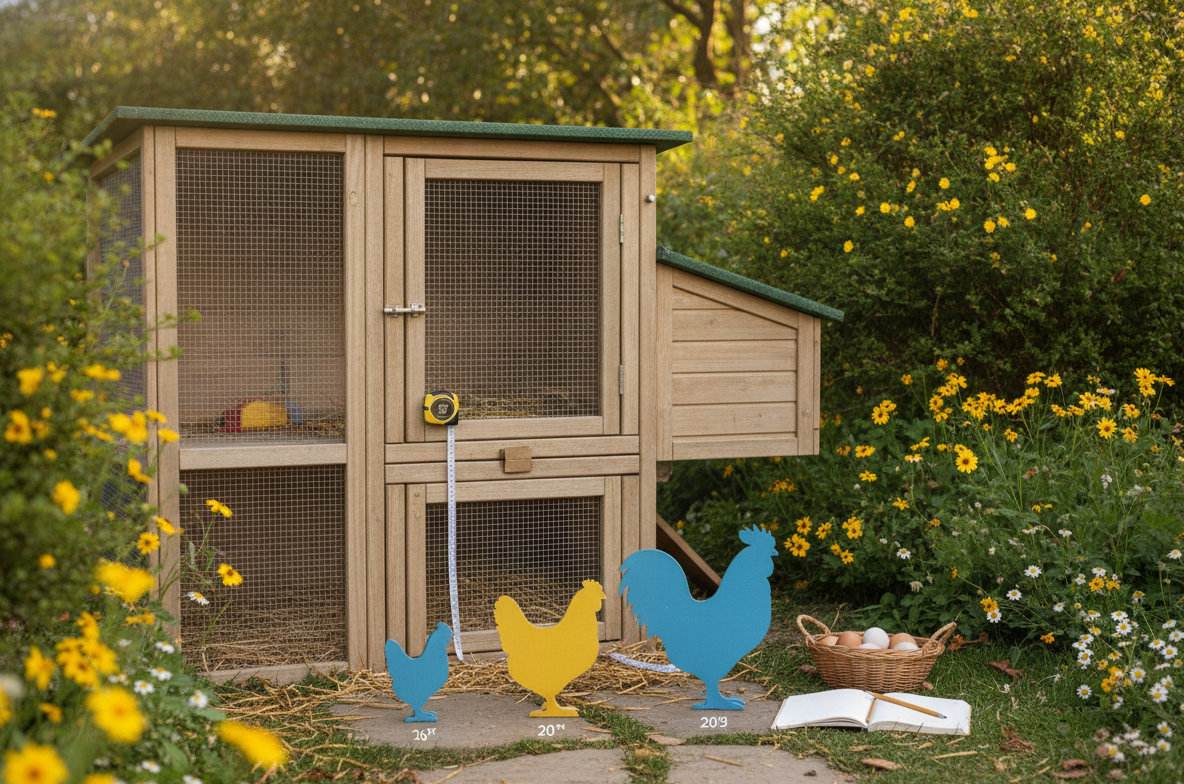
If your chickens are confined to the coop for extended periods due to harsh winters or limited outdoor space, always err on the side of more square footage. For example, six standard hens would need an indoor coop of at least 18-24 square feet. A 4x6 foot coop (24 sq ft) provides a good minimum for this flock size.
Ventilation is Key
Adequate ventilation within the coop is as important as space. Proper airflow removes ammonia fumes from droppings and helps regulate temperature. Without good ventilation, even a spacious coop can become unhealthy. Chicken coop ventilation prevents respiratory issues and keeps the air fresh. Make sure your coop design includes vents near the roofline and possibly lower openings for cross-ventilation, all securely covered with hardware cloth to deter predators.
Designing the Outdoor Run
While the coop is for sleeping and laying, the run is where your chickens spend most of their active hours. It allows them to forage, dust bathe, and exercise. The general recommendation for outdoor run space is 8 to 10 square feet per standard-sized chicken.
- Minimum run size: For six standard hens, a run of 48-60 square feet is a good starting point. A 6x10 foot run (60 sq ft) works well.
- More is always better: If you have the land, providing even more space reduces boredom and gives hens more areas to explore.
- Shade and shelter: The run should offer shaded areas to protect from sun and rain. Consider adding a tarp or a small roof section.
A secure run protects your flock from predators. Use sturdy hardware cloth, not flimsy chicken wire, buried at least 12-18 inches deep around the perimeter to prevent digging. Read more about chicken coop predator proofing to keep your flock safe.
For flexible and expandable outdoor space, consider a product like the Chicken Runs for Yard. These extra-long foldable chicken tunnels come in 79-inch and 157-inch lengths. They offer a convenient way to give your chickens more roaming area while protecting them. The kit includes a sun protection net, providing essential shade, and a removable door for easy access. These tunnels attach directly to your main coop or another run, making expansion simple.
Roosting Space Requirements
Chickens naturally prefer to roost off the ground at night, which helps them feel secure and protected. Each standard chicken needs approximately 8 to 12 linear inches of roosting space. This prevents squabbling and allows them to spread out comfortably.
- Roost height: Roosts should be at least 2-3 feet off the ground. Multiple roosts at different heights can help accommodate the flock's pecking order.
- Roost material: A 2x4 piece of lumber, with the 4-inch side flat, provides a comfortable grip for chicken feet. Round dowels can cause foot problems over time.
The PETSFIT Square Chicken Roosting Perch is an excellent option for providing ample and stable roosting space. Its unique square design prevents rotation, ensuring chickens stand securely. This large 55-inch L x 40-inch W metal perch features a 4-layer tiered design, accommodating 8-10 chickens comfortably. Made from premium galvanized iron pipes and solid wood, it offers a sturdy and durable solution for your flock.
Nesting Box Needs
Nesting boxes are where hens lay their eggs. While they do not need one box per hen, an adequate number reduces competition and helps prevent egg breakage. The general rule is one nesting box for every 3 to 4 hens.
- Location: Place nesting boxes in a quiet, dark, and private area of the coop.
- Size: A standard nesting box is about 12x12x12 inches.
- Bedding: Use soft, absorbent bedding like pine shavings or straw.
For more detailed information on placement and quantity, refer to our article: How Many Chicken Nesting Boxes Do Your Hens Need?
Keeping nesting boxes clean and inviting encourages hens to lay there. Pecking Order Nest Box Pads for Chicken Nesting Boxes are a great addition. These 13x13 inch pads are made in the USA from sustainably sourced aspen excelsior. They make it easier to maintain a clean and healthy nest box, simplifying quick cleanups and replacements.
Considering Breed and Climate
The specific breed of chicken you keep and your local climate significantly influence your coop size requirements.
Chicken Breeds
Smaller breeds, like Silkies or Sebrights, naturally require less space than large dual-purpose breeds such as Plymouth Rocks or Rhode Island Reds. Always factor in the mature size of your chosen breed when calculating square footage.
Climate Considerations
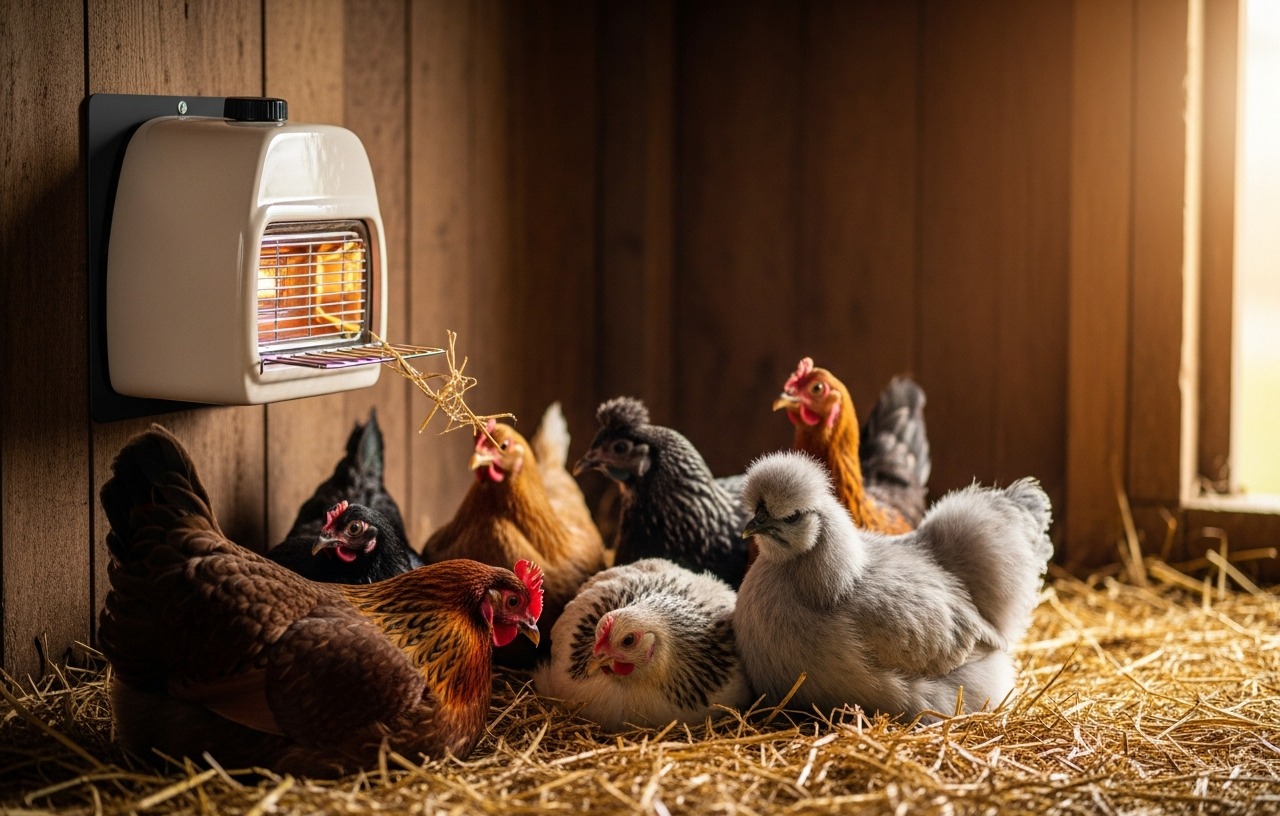
- Cold climates: Chickens may spend more time inside the coop during winter months. In these regions, opt for the higher end of the indoor square footage recommendations (3-4 sq ft per bird). This extra space helps prevent frostbite and allows birds to stay warm without being overly crowded. Consider supplemental heating only if temperatures drop severely, as outlined in our guide: Do You Really Need a Chicken Coop Heater in Winter?
- Hot climates: While less indoor space might seem fine, excellent ventilation is critical to prevent heatstroke. Ensure the coop allows for good airflow and consider a larger run with ample shade.
Planning for Future Flock Expansion
Many chicken keepers find themselves adding more birds to their flock over time. This phenomenon, often called "chicken math," can quickly lead to an overcrowded coop if not planned for. When choosing or building a coop, always consider the maximum number of chickens you might want to keep, not just your current flock size. Building a slightly larger coop initially is more cost effective than having to upgrade or build a second coop later.
Choosing a Coop: What to Look For
Whether you are buying a pre-built coop or planning a DIY project, consider these factors:
- Materials and construction: Look for sturdy, weather-resistant materials like treated wood, galvanized metal, or durable plastics. Thin, flimsy wood or weak wire mesh will not withstand predators or the elements.
- Ease of cleaning: A good coop design includes features that make cleaning easy, such as removable roosting bars, accessible nesting boxes, and large doors. Cleaning is essential for flock health.
- Predator proofing: Ensure all openings, including windows and vents, are covered with 1/2-inch hardware cloth. Latches should be sturdy and predator-resistant.
- Access and convenience: Consider how you will access the coop for egg collection and daily checks. An automatic chicken coop door can simplify your daily routine.
Red flags to watch for in pre-built coops include thin wooden panels, staples instead of screws for construction, large gaps, and only chicken wire for predator protection. These features indicate a low quality product that will not last or keep your chickens safe.
long term Costs and Maintenance
The initial cost of a chicken coop is just one part of the financial picture. long term ownership involves ongoing expenses and maintenance:
- Bedding: You will need to regularly replace bedding in the coop and nesting boxes. Costs vary depending on your choice of bedding material.
- Cleaning supplies: Disinfectants, brushes, and waste disposal are ongoing needs. Regular cleaning prevents disease and keeps odors down.
- Repairs: Weather damage, wear and tear, or even predator attempts can necessitate repairs. Replacing rotten wood, mending wire, or fixing latches will occur over time.
- Upgrades: You might decide to add automatic feeders, waterers, or expand the run. These are additional investments.
If you hire professional help for coop repairs or maintenance, expect service call fees to range from $80-$150, plus the cost of parts and labor. Doing routine maintenance yourself can save significant money.
Our Recommendation
Selecting the correct chicken coop size is fundamental to maintaining a healthy and productive backyard flock. Always prioritize the well-being of your chickens by providing generous space both inside the coop and in the outdoor run. Overestimate your needs slightly, especially if you plan for future additions or live in a harsh climate. A spacious, well-ventilated, and predator-proof coop is an investment that pays off in happy, healthy hens and a steady supply of fresh eggs.
Frequently Asked Questions
How many square feet does a chicken need in a coop?
A standard-sized chicken needs 2 to 4 square feet of indoor coop space. Larger breeds benefit from the higher end of this range, while bantams can manage with 2 square feet.
Is a 4x8 coop big enough for 6 chickens?
A 4x8 foot coop provides 32 square feet of indoor space. This is generally sufficient for 6 standard-sized chickens, offering over 5 square feet per bird, which is above the minimum recommendation.
How much run space does a chicken need?
Each standard chicken requires 8 to 10 square feet of outdoor run space. More space is always better, as it reduces stress and allows for natural foraging behaviors.
Pecking Order Nest Box Pads for Chicken Nesting Boxes - 13 x 13 Pads Made in USA from Sustainably Sourced Aspen Excelsior (10
- The aspen used for our nest box pads are sourced only from forest product companies that are members of.
- Our team carefully sorts through each nest pad to inspect for quality including consistant product.
- Nest box pads make it easier than ever to maintain a clean and healthy nest box by making it quick and.
- Eggs often get buried in straw or pine shavings but excelsior nest box pads help keep eggs elevated for.
PETSFIT Square Chicken Roosting Perch, 55"x40", 8-10 Chickens
- Square Chicken Roosting Bar:The unique square design prevents rotation,ensuring chickens stand stably.The.
- Larger Size: The 55"L x 40"W metal chicken roosting bars features a 4-layer tiered design, accommodating.
- Sturdy and Durable: Made from premium galvanized iron pipes and solid wood, our chicken perch is.
- Easy to Install and Clean: With clearly labeled parts and a user friendly manual, our chicken perch for.
Chicken Runs for Yard,79" & 157" Extra Long Foldable Chicken Tunnels for Outside,All-in-One Kit with Sun Protection Net,
- This set includes everything for setup and use: the foldable tunnel frame (79" or 157"), a sun protection.
- The attached shade net provides a cool, sheltered area for your flock, protecting them from direct.
- Features a convenient removable door with a smooth zipper. It can be directly attached to your main.
- Lightweight and easily folds down for effortless moving, storage, or reconfiguration of your chicken runs.