A broken chicken feeder can mean wasted feed, attracting rodents, and potentially leaving your flock hungry. Replacing a faulty feeder or repairing a damaged one typically costs between $20 and $150 for the part itself, with professional installation or troubleshooting services ranging from $80 to $200. Understanding these elements can help you budget effectively for your flock's needs.
Types of Chicken Feeders and Their Price Ranges
Different feeder designs serve various purposes and come with distinct price tags. Knowing the common types can help you anticipate costs:
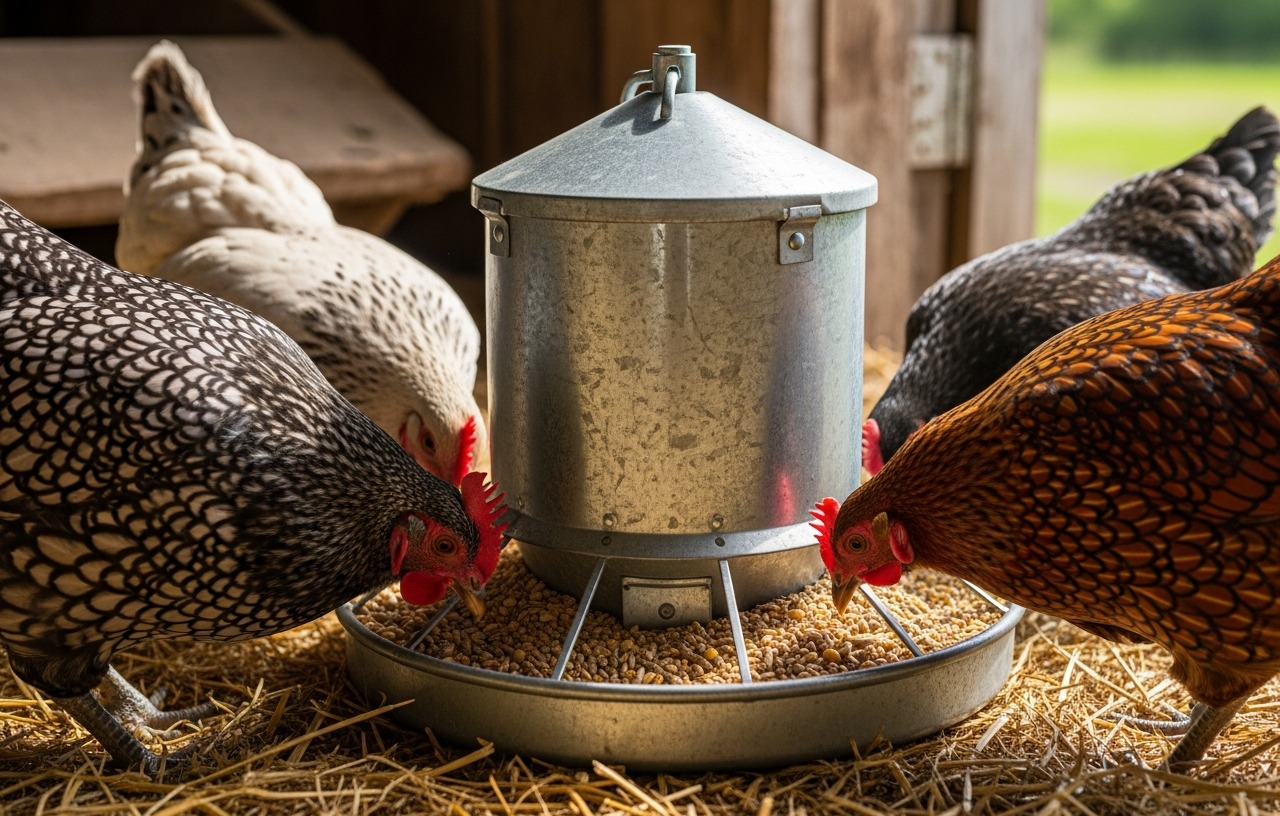
- Gravity Feeders: These are the most common and generally the least expensive. They consist of a feed reservoir that dispenses food into a trough or tray as it is consumed. Costs for a basic gravity feeder range from $20 to $60.
- Trough Feeders: Often made of galvanized metal or sturdy plastic, these feeders offer a long, open trough for multiple birds to eat from simultaneously. Prices typically fall between $30 and $80, depending on size and material.
- Tube Feeders: These feeders hang from the ceiling of a coop or run and have a clear plastic or metal tube that holds feed. They are good for preventing waste and keeping feed clean. Expect to pay $35 to $90 for a tube feeder.
- Automatic Feeders: These can be timer-based or motion-activated, dispensing feed at set times or when a bird approaches. They are excellent for consistency but come with a higher price tag, ranging from $70 to $200 or more. Some advanced models integrate with smart home systems.
- Treadle Feeders: These feeders have a pedal that chickens must step on to open a lid, revealing the food. This design is highly effective at deterring pests like wild birds and rodents. Treadle feeders are a significant investment, usually costing $100 to $250.
- DIY Feeders: Many homesteaders create their own feeders from repurposed materials like PVC pipes, buckets, or wooden crates. The cost here is primarily for the materials, which can be as low as $5 to $20 if you have items on hand.
Material Matters: Plastic vs. Metal Feeders
The material of your chicken feeder significantly impacts its durability and cost. Plastic feeders are generally lighter and less expensive, often costing $20 to $60 for basic models. However, they can become brittle in extreme temperatures or degrade under constant UV exposure over time. Metal feeders, typically made from galvanized steel, are more robust and resistant to weather. They tend to be more expensive, with prices starting around $40 and going up to $150 for larger, more specialized units. Metal feeders also offer better protection against rodents trying to chew through them, which is a critical aspect of chicken coop predator proofing.
Common Chicken Feeder Problems and Repair Costs
Even the most durable feeders can develop issues. Understanding these common problems can help you diagnose and address them before they become costly.
Wasted Feed Due to Design Flaws or Damage
One of the most frustrating issues is feed being easily kicked out of the feeder or falling out due to damage. This waste adds up quickly, affecting your feed budget. If a feeder's tray is cracked or the dispensing mechanism is faulty, it might be cheaper to replace the entire unit than to try and patch it. Replacement costs for a standard feeder range from $20 to $80.
Pest Infestations (Rodents and Wild Birds)
An open or poorly designed feeder can attract rodents and wild birds, leading to significant feed spoilage and the potential spread of diseases. While not a direct repair cost, the expense of lost feed and potential veterinary bills for sick birds can be substantial. Investing in a pest-proof feeder, such as a treadle feeder ($100 to $250), is often more economical in the long run than dealing with the consequences of infestation.
Corrosion and Rust (Metal Feeders)
Metal feeders, especially those made from less durable metals or left exposed to moisture, can develop rust and corrosion. This not only looks unsightly but can compromise the feeder's integrity and hygiene. Minor rust spots can sometimes be cleaned and treated with a rust inhibitor, costing less than $10 for materials. However, severe corrosion may necessitate replacing the feeder, with costs ranging from $40 to $150.
Cracked or Broken Plastic Components
Plastic feeders are susceptible to cracking, particularly in cold weather or if they are dropped. A simple crack might be repairable with a strong adhesive designed for plastics, costing about $5 to $15. However, if critical components like the feed reservoir or dispensing mechanism are broken, replacing the entire feeder is often the most practical solution. This can cost between $20 and $70 for a replacement.
Feeder Malfunctions (Automatic and Treadle Types)
More complex feeders, like automatic or treadle models, can experience mechanical failures. For automatic feeders, this might involve issues with the timer, motor, or sensors. For treadle feeders, the hinge mechanism or the lid may malfunction. Repairing these can be complex. A service call from a poultry equipment technician might cost $80 to $200, and parts can add another $20 to $75. Often, the cost of repair for these advanced feeders can approach the price of a new unit, especially if the malfunction is significant.
DIY vs. Professional Repair: When to Save Money and When to Call an Expert
Deciding whether to tackle a feeder problem yourself or hire a professional depends on the complexity of the issue, your skill level, and the cost-benefit analysis.
When DIY Makes Financial Sense
Simple repairs or replacements are prime candidates for DIY. If you need to replace a small plastic part, tighten a few screws, or clean out a jammed mechanism, doing it yourself will cost you only the price of any minor materials needed, perhaps $5 to $20. Building a feeder from scratch using repurposed items can also be a significant money-saver, costing very little if you already have the materials. This approach is also excellent for flock owners who enjoy creative problem-solving and customizing their setups. For instance, repurposing a large PVC pipe with end caps and a cut-out for feeding can create a durable, weather-resistant feeder for under $30 in materials. This is a common practice among those interested in sustainable homesteading.
When to Call a Professional
For automatic or treadle feeders, especially those with intricate electrical or mechanical components, professional help might be necessary. If you are not mechanically inclined or if the repair could lead to further damage, it is wise to seek expert advice. A service call for diagnostics and basic repairs typically ranges from $80 to $200. If the repair costs approach or exceed 75% of the price of a new, comparable feeder, it is usually more economical to purchase a new one. This is particularly true for older or less expensive models where replacement parts might be scarce or costly to source.
Cost Breakdown: Buying New vs. Repairing
Let's consider a common scenario: a cracked plastic trough on a standard gravity feeder.
- Scenario: Cracked Trough on a Gravity Feeder
- Cost of a New Feeder: A comparable plastic gravity feeder costs between $25 and $60.
- Cost of Replacement Part: A replacement trough, if available, might cost $10 to $25. However, sourcing specific parts for older or basic models can be difficult.
- DIY Repair: Using a strong, waterproof adhesive suitable for plastics could cost $5 to $15. This is a viable option if the crack is small and doesn't compromise the feeder's structural integrity.
- Professional Repair: For a simple plastic repair, a professional service is unlikely to be cost effective. The minimum service call fee ($80-$200) would far exceed the cost of a new feeder or DIY materials.
In this case, DIY repair is the most economical choice if the damage is minor and you have the right adhesive. If the damage is extensive or if you prefer a new, undamaged feeder, purchasing a new one for $25 to $60 is the next best option. For more complex issues, like a malfunctioning automatic feeder, the decision becomes more nuanced. A new automatic feeder can cost $70 to $200+. A technician's diagnosis and repair might cost $100 to $250. Otherwise, a new feeder is likely the better investment.
Preventative Measures to Extend Feeder Lifespan
Investing a little time in maintenance can save you money on repairs and replacements down the line. Proper care ensures your feeders last longer and function optimally.
- Regular Cleaning: Clean feeders weekly to prevent mold and bacterial growth. Use soap and water, rinse thoroughly, and allow to dry completely. This simple step costs nothing but time.
- Inspect for Damage: Periodically check feeders for cracks, rust, or loose parts. Address minor issues promptly before they worsen.
- Secure Placement: Ensure feeders are placed on level ground or securely hung to prevent tipping, which can cause damage and spillage.
- Pest Deterrence: Use feeders designed to deter pests or implement strategies like hanging feeders to keep them out of reach of rodents. This aligns with effective chicken coop predator proofing.
- Protect from Elements: If possible, position feeders under overhangs or in sheltered areas to minimize exposure to harsh weather, which can degrade materials.
By implementing these simple preventative measures, you can significantly extend the lifespan of your chicken feeders and avoid unexpected costs. Remember that a well maintained feeder contributes to a healthier flock and a more efficient operation.
When considering your flock's needs, don't forget about other essential supplies. For example, understanding best chicken waterer options is just as important as providing adequate feed. Whether you're investing in a high-tech automatic feeder or building a simple DIY model, the goal is always a reliable and efficient feeding system for your birds.