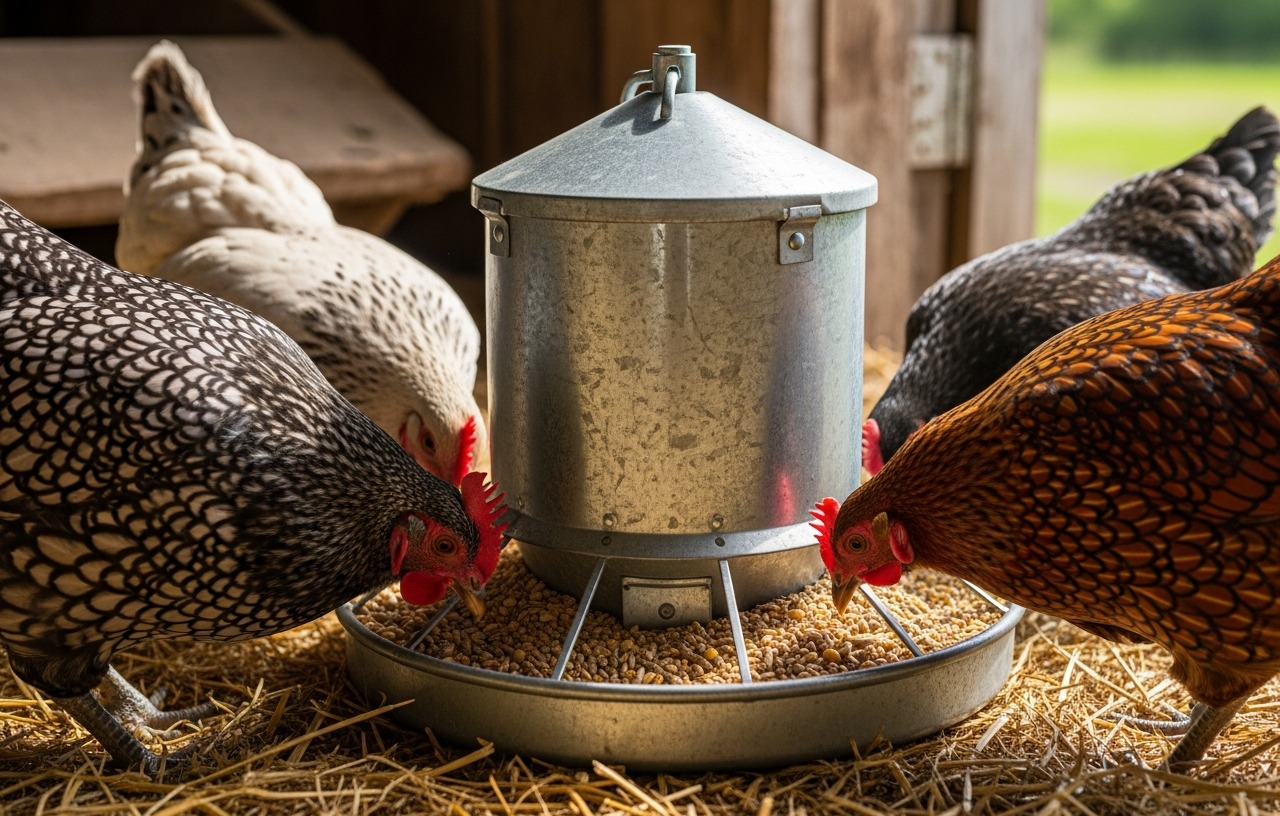
Commercial chicken feed provides a balanced diet, but supplementing it with other foods can offer nutritional benefits and keep your flock entertained. Understanding what chickens can eat besides chicken feed is essential for their health and egg production. While feed should form the majority of their diet, approximately 90%, safe table scraps and garden produce can make up the remaining 10%. Always introduce new foods gradually and observe your flock for any adverse reactions.
Understanding Chicken Nutritional Needs
A standard layer feed is formulated to provide the necessary protein, carbohydrates, fats, vitamins, and minerals for laying hens. This typically includes around 16-18% protein for adult layers and 20-22% for chicks. Chickens also require grit, small stones that aid in digestion, which they get from their environment or can be provided separately. Overfeeding treats or inappropriate foods can lead to nutritional imbalances, obesity, or reduced egg quality and quantity. It can also impact their digestive health, making them more susceptible to issues like sour crop.
Protein Sources for Chickens
Protein is vital for feather growth, muscle development, and egg formation. While commercial feed is the primary source, certain additions can be beneficial, especially for growing chicks or during molting periods. Molting chickens require extra protein to regrow feathers. You can supplement their diet with protein-rich options.
- Insects: Mealworms (dried or live), grubs, and other insects are excellent sources of protein.
- Cooked Meats: Small amounts of plain, cooked lean meats (no seasoning, salt, or bones) can be offered sparingly. This includes chicken, turkey, or fish.
- Legumes: Cooked beans (kidney, pinto, black) are a good protein source. Ensure they are thoroughly cooked, as raw beans contain a toxin.
- Seeds: Sunflower seeds (in moderation due to fat content) and pumpkin seeds offer protein and other nutrients.
For chicks, protein is even more critical. Chicks raised for meat need a higher protein content than those raised for eggs. If you are raising baby chicks, specialized chick starter feed is formulated for their specific needs during the first eight weeks of life.
Fruits and Vegetables: Garden Bounty for Your Flock
Most fruits and vegetables are safe for chickens and can provide essential vitamins, minerals, and hydration. Offer a variety, but always ensure they are washed thoroughly. Avoid feeding moldy or spoiled produce, as this can cause illness.
Leafy Greens and Garden Favorites
- Leafy Greens: Kale, spinach, lettuce (iceberg lettuce is low in nutrients), Swiss chard, and collard greens are highly nutritious. Spinach should be given in moderation due to its oxalic acid content, which can interfere with calcium absorption.
- Root Vegetables: Carrots, beets, sweet potatoes, and turnips can be fed raw or cooked. Cooked sweet potatoes are a particular favorite for many chickens.
- Squash and Melons: Pumpkins, zucchini, cucumbers, cantaloupe, watermelon, and honeydew are hydrating and provide vitamins. The seeds are also safe to eat.
- Tomatoes and Peppers: Ripe tomatoes and bell peppers (without the stem and seeds) are safe. The leaves and stems of tomato plants are toxic, however.
- Berries: Strawberries, blueberries, raspberries, and blackberries are safe and a tasty treat.
When offering new vegetables, chop them into manageable pieces. For example, large pumpkins can be cut into wedges or the flesh scooped out.
Fruits to Offer in Moderation
While many fruits are safe, their high sugar content means they should be offered as occasional treats rather than staples. Apples (without seeds and core), pears, peaches, and plums are good examples. Always remove pits and large seeds from fruits like cherries, apricots, and peaches, as these can be choking hazards or contain cyanide compounds. Avocados, particularly the pit and skin, are toxic to birds and should be avoided.
Grains and Legumes: Filling and Nutritious
Grains and cooked legumes can supplement a chicken's diet. They provide carbohydrates for energy. However, like fruits, they should not be the primary food source, as they can be deficient in essential amino acids and minerals found in commercial feed.
- Grains: Cooked oatmeal, cornmeal, cracked corn, barley, and wheat are generally safe. Oats are a good source of fiber. Corn is a high-energy treat and should be fed in moderation, especially in warmer months, as it can lead to obesity.
- Cooked Beans: As mentioned, cooked beans are a good protein source. Ensure they are fully cooked.
- Peas: Peas, fresh or frozen, are a healthy addition.
Avoid feeding raw, dried beans of any kind, as they contain phytohaemagglutinin, a toxin that can be fatal to poultry. Always cook beans thoroughly before offering them to your flock.
Dairy Products: A Cautionary Note
Chickens are lactose intolerant and generally cannot digest large amounts of dairy. Small amounts of certain dairy products may be tolerated, but it's best to err on the side of caution. A small amount of plain yogurt or cottage cheese can sometimes be offered as a treat, as the probiotics can be beneficial for gut health. However, milk, cheese, and other dairy items should be avoided.
What to AVOID Feeding Your Chickens
Certain foods are toxic or harmful to chickens and must be strictly avoided. Feeding these items can lead to serious illness or death. Always double-check before offering something new to your flock.
Toxic Foods and Plants
- Avocado: The pit, skin, and leaves contain persin, which is toxic to birds.
- Raw Beans: All types of raw beans contain toxins.
- Rhubarb: The leaves and stems contain oxalic acid, which is poisonous.
- Onions and Garlic (in large quantities): While small amounts of cooked garlic might be beneficial, large amounts of raw onions and garlic can damage red blood cells and lead to anemia.
- Chocolate: Contains theobromine, which is toxic to birds.
- Salty Foods: Excessive salt can cause dehydration and organ damage.
- Sugary Foods: Lead to obesity and health problems.
- Moldy or Spoiled Foods: Can cause digestive upset and mycotoxicosis.
- Citrus Fruits (in large quantities): High acidity can disrupt their digestive system.
- Nightshade Family Plants: Tomatoes (leaves, stems, unripe fruit), potatoes (green parts and raw peels), eggplant, and peppers (leaves, stems) are toxic in their green parts or raw state. Ripe tomato fruit is generally safe.
- Apple Seeds and Pear Seeds: Contain small amounts of cyanide.
- Moldy Bread or Grains: Can contain harmful mycotoxins.
It is also important to be aware of toxic plants in your garden or yard. Plants like azaleas, rhododendrons, foxglove, and oleander are highly poisonous to chickens.
Feeding Practices for a Healthy Flock
When introducing new foods, start with small quantities. Observe your chickens for any signs of digestive upset, such as diarrhea or lethargy. Wash all produce thoroughly. Chop larger items into bite-sized pieces to prevent choking. Scatter treats in the run or coop to encourage natural foraging behavior, which provides mental stimulation.
Importance of Grit
Grit is essential for chickens to properly digest their food, especially when they are not eating commercial feed or are consuming whole grains and other less processed items. Chickens do not have teeth, so they rely on their gizzard and grit to break down food. If your chickens free-range, they will likely find enough small stones. If they are confined to a run or coop, you may need to provide a separate source of grit. This is especially important if you are feeding them a lot of whole grains or table scraps.
Water Availability
Fresh, clean water must always be available. Chickens need water to digest food, regulate body temperature, and produce eggs. During hot weather, they will drink more. Ensure your waterers are cleaned regularly to prevent bacterial growth. Choosing the right chicken waterer can make a significant difference in maintaining hydration and hygiene.
Balancing Diet and Treats
Remember that treats, including fruits, vegetables, and grains, should never make up more than 10% of a chicken's diet. The bulk of their nutrition should come from a balanced commercial feed. Overfeeding treats can lead to:
- Nutritional deficiencies
- Reduced egg production
- Obesity
- Digestive problems
- Behavioral issues (e.g., picky eating)
Consider the protein and calcium content of treats, especially for laying hens. Laying hens require extra calcium for strong eggshells. Oyster shell is often provided separately to meet this need. While some vegetable scraps can offer calcium, they are typically not sufficient on their own.
Feeding Chicks Besides Feed
When raising baby chicks, their nutritional needs are very specific. This feed is formulated with the correct protein levels (around 20-24%) and essential nutrients for rapid growth and development. Beyond starter feed, very few other items are recommended for young chicks. Small amounts of plain, cooked scrambled eggs can be offered as a special protein boost. Finely chopped greens can also be introduced cautiously after the first week or two. However, the focus must remain on the starter feed. Overfeeding treats to chicks can lead to digestive upset and developmental issues. Raising baby chicks requires careful attention to their diet.
Conclusion: A Varied Diet for a Healthy Flock
While commercial chicken feed is the foundation of a healthy diet, offering a variety of safe supplements can enhance your flock's well-being. By understanding what chickens can eat besides chicken feed, and more importantly, what they cannot, you can provide a balanced, nutritious, and enriching diet. Always prioritize fresh ingredients, practice moderation with treats, and ensure constant access to clean water and grit. This approach supports strong egg production, vibrant health, and a happy flock.