Goovilla Chicken Feeder Waterer, Hanging or Screw-in Fence Feeders with Clips, 2 Pack 5 Quart Goat Feeding Supplies, Duck Piglet
- Compared to large animals, our trough feeder better for feeding your chicken, duck, goose, turkey, goat.
- Our 2 pack feeding trough is also watering trough which can hold up to 5 quarts of feed and water. On the.
- You can hang or screw our poultry feeder with clips, zip ties and metal screws we provided. Upgraded.
- The whole body of hanging chicken feeder is made of environmentally friendly and safety BPA-free PE.

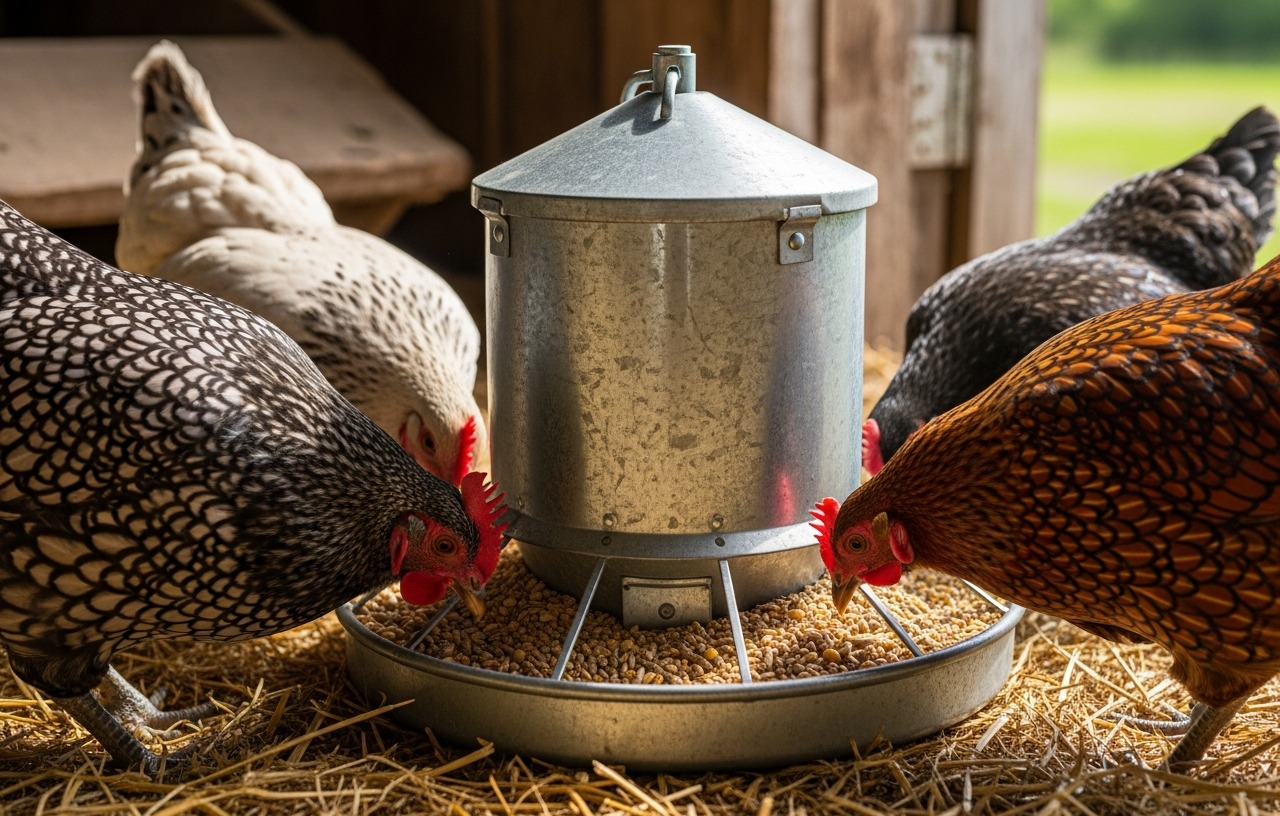
Little Giant® Poultry Feeder Resting Cover | Metal Hanging Resting Poultry Feeder Cover | Compatible with Item Nos. 9112, 91403,
- This product prevents roosting, helps keep feed dry and clean.
- heavy duty STEEL BODY - This cover is made with heavy-gauge galvanized steel that resists rusting and.
- For use with Little Giant 12-Lb., 30-Lb., and 40-Lb. Hanging Poultry Feeders (Item Nos. 9112, 914043, and.
- This feeder cover measures 11.5 inch diameter by 2.25 inch high.
Standing feed on the coop floor is more than just an eyesore. It represents wasted money and can attract rodents and insects, leading to potential health issues for your flock. Understanding why your chicken feeder is too messy is the first step to a cleaner, more cost effective feeding routine.
Common Causes of a Messy Chicken Feeder
1. Feeder Type and Design Flaws
The most frequent reason for feed spillage is the feeder itself. Many basic designs, especially open troughs or simple gravity feeders with wide openings, allow chickens to easily flick feed out with their beaks. This is particularly true for active or competitive birds who might jostle for position. Chickens, especially younger ones still learning to eat from a feeder, will also scatter feed as they peck and explore. Some feeders are simply too small for the number of birds, leading to overcrowding and more mess as they try to access the limited food supply. The height of the feeder is also critical; if it's too low, birds will scratch around it, kicking shavings and feed everywhere. If it's too high, they might have to reach excessively, causing feed to fall.
Consider feeders designed to minimize spillage. Hanging feeders are often a good choice because they are less prone to being knocked over and can be adjusted to the correct height. Feeders with deeper troughs and a narrower opening at the top, like the Goovilla Chicken Feeder Waterer, Hanging or Screw-in Fence Feeders with Clips, 2 Pack 5 Quart Goat Feeding Supplies, Duck Piglet, help contain the feed. These designs make it harder for birds to flick food out accidentally or intentionally. The Goovilla feeder's 5-quart capacity is suitable for smaller flocks, and its dual function as a waterer means fewer items to manage. Its hanging or screw-in options provide flexibility in placement, allowing you to find the optimal height to reduce ground-level scratching. Based on user reviews, its design significantly reduces waste compared to open-style feeders.
Repair or replacement costs for a feeder can range from $20 for a simple DIY fix or a basic plastic feeder to $50 for a more robust, higher-quality hanging feeder. Professional installation of a more complex system might add another $50 to $100 in labor, though most feeders are designed for easy DIY setup.
2. Feeder Height and Placement
The feeder's position in the coop or run significantly impacts messiness. If a feeder is placed directly on the ground, chickens will inevitably scratch around it, kicking bedding, dirt, and feed outwards. This is a natural behavior. When the feeder is too low, it encourages this scratching motion directly at the feed source. Conversely, if the feeder is too high, chickens may struggle to reach the feed comfortably, leading to awkward movements that can dislodge feed. The ideal height is typically at the chickens' shoulder or back level. This allows them to eat without excessive bending or stretching, and it discourages them from scratching directly at the base.
Adjusting the feeder's height is often a simple fix. For hanging feeders, use chains or ropes to suspend them at the correct level. For stationary feeders, consider placing them on a raised platform, such as a sturdy block of wood or a repurposed large paver. This elevates the feeder and also creates a slight barrier that discourages scratching directly beneath it. Ensure the platform is stable and won't tip over. If you are using a feeder like the Little Giant® Poultry Feeder Resting Cover, which is designed to attach to specific feeder models, ensure it's positioned correctly to prevent roosting and keep the feed cleaner, which indirectly helps manage mess by keeping the feed itself less contaminated and accessible.
Adjusting height or adding a simple platform typically costs nothing if you use scrap materials. Purchasing a sturdy paver might cost $5 to $15. If you need to purchase mounting hardware for a hanging feeder, expect to spend $10 to $30.
3. Overfilling the Feeder
A common mistake is filling the feeder to the brim. While it seems like you're providing ample food, this often leads to spillage. Chickens are easily tempted by the abundance of feed at the top, and their vigorous pecking can easily send a significant amount of it flying out. Overfilling also makes the feeder top-heavy or unbalanced, increasing the likelihood of it being tipped or jostled, especially in multi-bird environments. It's a simple cause, but one that directly contributes to the mess. Chickens don't need to see a mountain of food; they need consistent access.
The solution is to fill the feeder only about halfway or two-thirds full. This reduces the amount of feed accessible at any one time, making it harder for chickens to scatter it. It also helps maintain the feeder's balance. Regularly check the feed level and refill as needed, rather than topping it off completely every time. This practice also helps keep feed fresher, as less is exposed to air and moisture. For gravity feeders, this means observing how quickly the feed dispenses into the trough and ensuring it doesn't build up too much.
This is a behavioral change and costs nothing. Monitoring feed levels is part of daily flock care.
4. Feeder Location and Coop Design
Where you place the feeder within the coop or run matters. Placing it too close to high-traffic areas, water sources, or nesting boxes can create a mess. Chickens are naturally messy eaters and may drag feed away from the feeder, or kick it around while moving between areas. If the feeder is in a spot where birds tend to congregate, the combined activity of many birds pecking and jostling will amplify spillage. Also, consider the coop's floor. If you have loose, deep bedding, chickens scratching at the feeder base will easily fling feed into the bedding, making it difficult to retrieve and leading to waste.
Designating a specific feeding area can help. If possible, place the feeder in a corner or a slightly more confined space within the run. This can help contain the mess. For coops with deep bedding, consider a feeder that has a wider base or is raised, like the Goovilla Chicken Feeder Waterer, Hanging or Screw-in Fence Feeders with Clips, 2 Pack 5 Quart Goat Feeding Supplies, Duck Piglet, which can be hung or screwed to a fence, keeping it away from active scratching zones. If your coop allows, a dedicated feeding station with a solid base or a large, flat mat can further contain scattered feed. Choosing the right chicken coop bedding can also make cleanup easier, but preventing the feed from getting into the bedding in the first place is the primary goal.
Costs associated with relocating a feeder are minimal, likely under $20 for any materials needed to create a designated area or platform. A large mat might cost $20 to $40.
5. Pecking Order and Bird Behavior
The social dynamics within your flock play a role. Bossy birds may hog the feeder, pushing others away and causing them to scatter feed in their haste to get a bite. Conversely, timid birds might be reluctant to eat when others are present, leading to intermittent feeding and more opportunities for feed to be disturbed. Aggressive pecking at the feeder itself can also dislodge food. Very young chicks or older, less agile birds might also struggle with certain feeder designs, leading to fumbling and dropped feed.
Using multiple feeders can alleviate pressure on a single feeding station, allowing more birds to eat simultaneously without conflict. This is especially helpful for larger flocks or those with a pronounced pecking order. Placing feeders in different locations can also reduce competition. For very young chicks, using a shallow tray feeder during their first few weeks can prevent them from falling into larger feeders and scattering feed, as recommended in guides for raising baby chicks. As they grow, transitioning to a more appropriate feeder is necessary.
Adding a second feeder can cost $20 to $50 depending on the type. The cost for supplementary chick feeders is typically $10 to $20.
6. Moisture and Feed Caking
When feed becomes damp, it can clump together. This caked feed is more difficult for chickens to peck at cleanly. They might peck harder, dislodging more feed, or they may simply push the clumps around, creating a mess. Damp feed is often a sign that the feeder is not adequately protected from rain or moisture in the coop, or that the feeder itself is not designed to keep water out. Feeders that are too open to the elements or that collect condensation will contribute to this problem. Damp feed can also mold, becoming unsanitary.
Ensure your feeder is kept dry. If you use a hanging feeder, make sure it's positioned under an overhang or a sheltered area if it's in an outdoor run. For feeders inside a coop, good coop ventilation is key to reducing condensation. Consider feeders with rain hoods or covers. The Little Giant® Poultry Feeder Resting Cover is designed to keep feed dry and prevent roosting, which helps keep the feed cleaner and less prone to moisture absorption from droppings. Regular cleaning of the feeder is also essential to prevent feed residue from attracting moisture and clumping.
Using a rain cover or ensuring good ventilation costs little to nothing, depending on your existing setup. A specific feeder cover like the Little Giant option costs around $30 to $50.
7. Rodents and Pests
While not a direct cause of the feeder *itself* being messy, rodents and pests can exacerbate feed spillage. Mice and rats are attracted to spilled feed, and their activity around the feeder can disturb it, causing more feed to be scattered. They may also chew on plastic feeders, creating holes or widening existing openings, which leads to increased feed loss. This creates a vicious cycle: spilled feed attracts pests, and pests cause more spilled feed.
The best way to combat this is to prevent spillage in the first place, as detailed in the sections above. Additionally, using feeders designed to be pest-resistant, such as those made of sturdy metal or with tight-fitting lids, can help. Store bulk feed in rodent-proof containers. Regular cleaning of the coop and around the feeder area will also reduce attractants. Chicken coop predator proofing extends to deterring rodents as well.
Costs for pest-resistant feeders can range from $30 to $100. Rodent-proof feed bins cost $40 to $100. Professional pest control services can cost $100 to $300 for an initial visit and treatment.
When to Call a Professional
For most feeder mess issues, DIY solutions are effective. However, a professional might be needed if the problem is tied to a complex coop design or if you suspect underlying health issues in your flock causing abnormal feeding behavior. If you've tried multiple feeder types, adjusted height and placement extensively, and the mess persists to a degree that is causing significant feed waste or attracting persistent pest problems, it may be time to consult with an experienced poultry keeper or a livestock specialist. They can offer tailored advice based on your specific flock and setup. For instance, if your birds are exhibiting unusual aggression or lethargy around the feeder, it might point to issues beyond just the feeder itself, potentially related to flock health, which is covered in guides on topics like molting chickens or egg bound chickens, though these are distinct issues from feeding behavior.
A consultation with a poultry expert typically ranges from $50 to $150 per hour. This is generally only necessary for severe or unusual persistent problems.
Summary of Solutions
A messy chicken feeder is a common challenge for backyard poultry keepers. By systematically addressing potential causes,from the feeder's design and placement to flock behavior and environmental factors,you can significantly reduce feed spillage and waste. Investing in a well designed feeder, adjusting its height and location, and managing flock dynamics are key steps. A clean feeding area not only saves money on feed but also contributes to a healthier, happier flock and a more sanitary coop environment. Regular observation and minor adjustments are often all that's needed to keep your coop floor clean.
Goovilla Chicken Feeder Waterer, Hanging or Screw-in Fence Feeders with Clips, 2 Pack 5 Quart Goat Feeding Supplies, Duck Piglet
- Compared to large animals, our trough feeder better for feeding your chicken, duck, goose, turkey, goat.
- Our 2 pack feeding trough is also watering trough which can hold up to 5 quarts of feed and water. On the.
- You can hang or screw our poultry feeder with clips, zip ties and metal screws we provided. Upgraded.
- The whole body of hanging chicken feeder is made of environmentally friendly and safety BPA-free PE.
Little Giant® Poultry Feeder Resting Cover | Metal Hanging Resting Poultry Feeder Cover | Compatible with Item Nos. 9112, 91403,
- This product prevents roosting, helps keep feed dry and clean.
- heavy duty STEEL BODY - This cover is made with heavy-gauge galvanized steel that resists rusting and.
- For use with Little Giant 12-Lb., 30-Lb., and 40-Lb. Hanging Poultry Feeders (Item Nos. 9112, 914043, and.
- This feeder cover measures 11.5 inch diameter by 2.25 inch high.