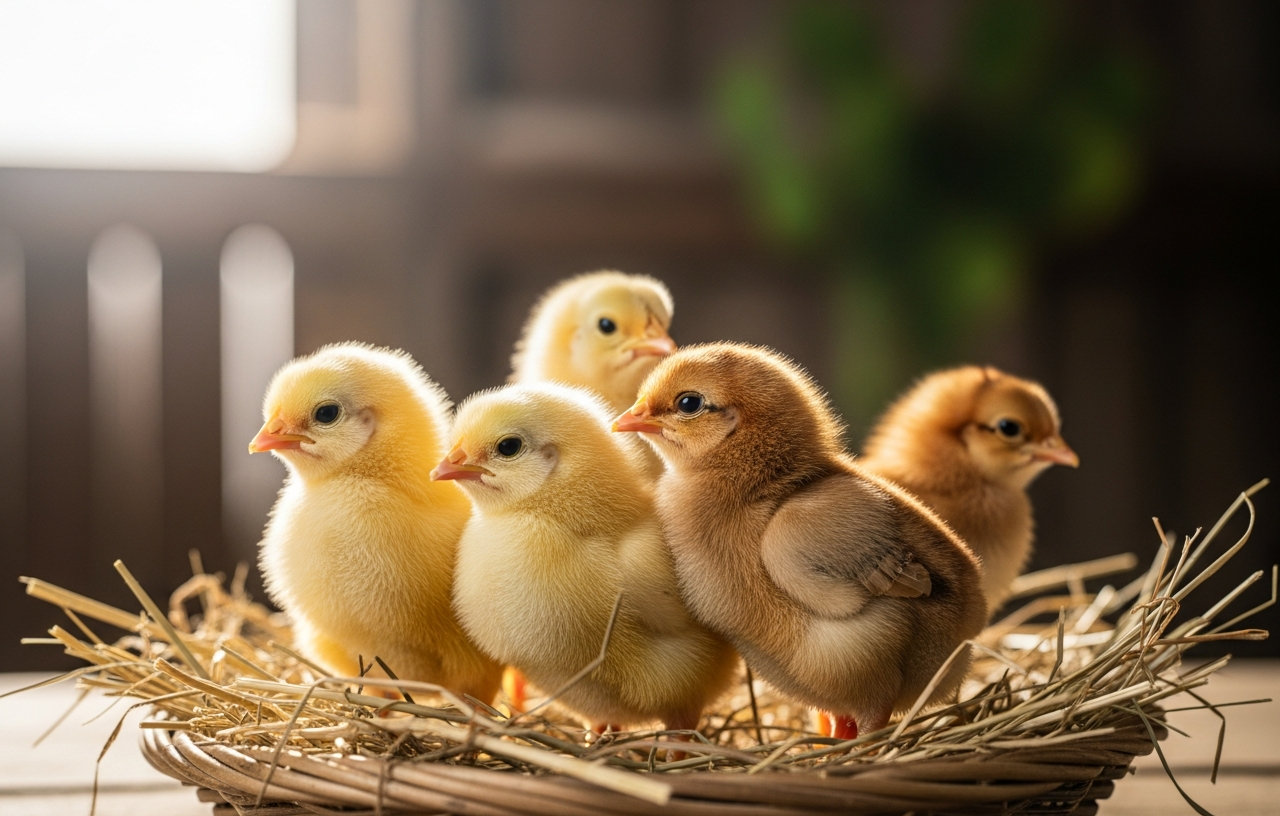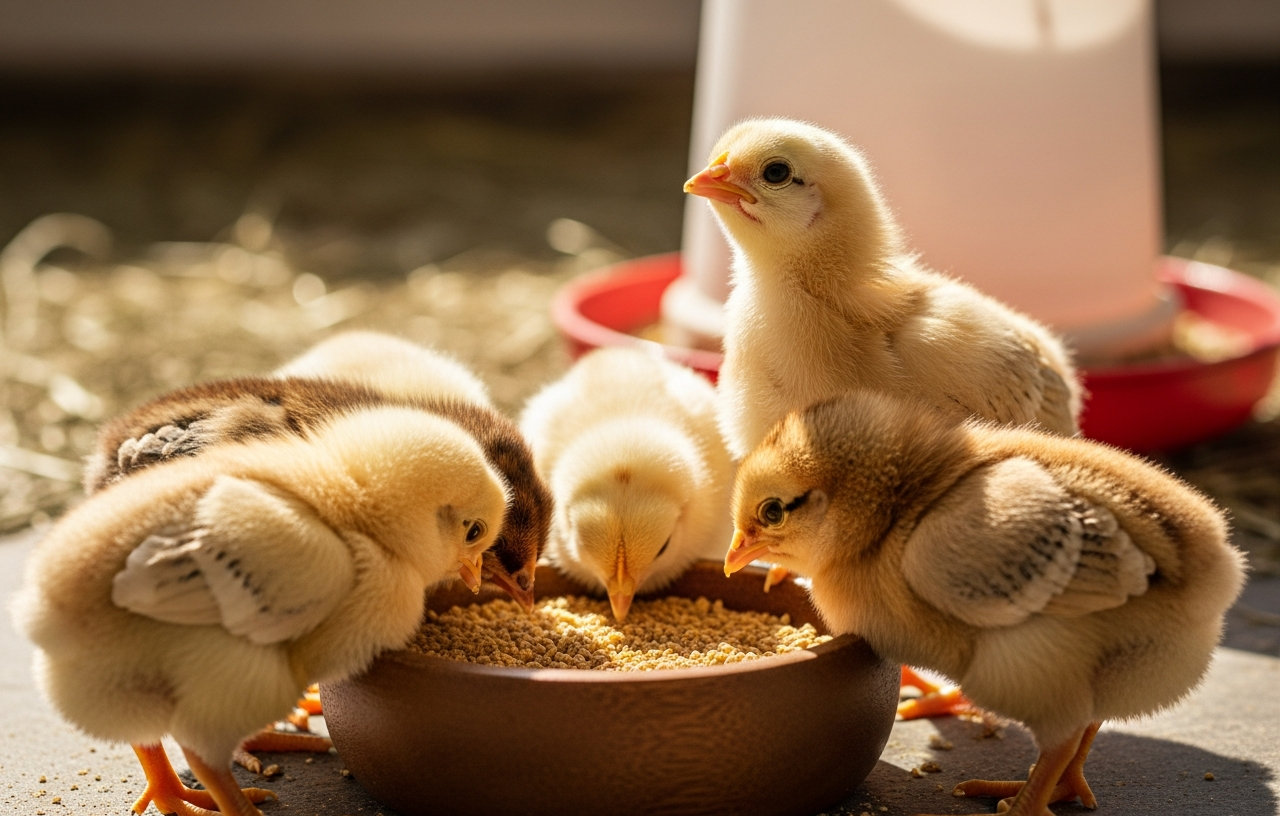
Baby chicks, from hatch to approximately eight weeks old, require a specialized diet called chick starter feed. This feed is formulated with precise protein levels and essential nutrients to support their rapid growth, bone development, and feathering. Feeding anything else during these critical weeks can lead to developmental problems and health complications.
The Foundation: Chick Starter Feed
The first and most important food for baby chicks is chick starter feed. This commercially prepared feed comes in a crumbled form, making it easy for tiny beaks to consume. It is designed to provide all necessary vitamins, minerals, and protein without additional supplementation.
Protein Content for Growth
Chick starter feed typically contains a high protein level, ranging from 20% to 24%. This protein is vital for building strong muscles and bones, and for the rapid development of feathers. A deficiency in protein during this stage can result in stunted growth, poor feathering, and weakened immune systems. For instance, a chick fed adult layer feed, which usually contains 16% protein, will not receive adequate nutrition for its initial growth phase.
Medicated vs. Unmedicated Starter Feed
When selecting chick starter, you will encounter both medicated and unmedicated options. The primary difference lies in the presence of Amprolium, a coccidiostat.
- Medicated Starter Feed: This feed contains Amprolium, which helps prevent coccidiosis. Coccidiosis is a common and often fatal intestinal disease in young chicks caused by microscopic parasites. Medicated feed is often recommended for chicks that have not been vaccinated against coccidiosis.
- Unmedicated Starter Feed: This feed does not contain coccidiostats. It is suitable for chicks that have been vaccinated against coccidiosis at the hatchery. It is also an option for those who prefer to avoid medication and practice strict biosecurity in their brooder setup. If using unmedicated feed, maintain impeccable cleanliness in the brooder to reduce disease risk.
Always confirm whether your chicks were vaccinated before purchasing feed. If unsure, choosing a medicated starter feed for the first few weeks can offer a layer of protection.
How Long to Feed Chick Starter
Baby chicks should remain on starter feed for approximately six to eight weeks. Some manufacturers recommend feeding starter for the first 10 weeks, especially for slower-growing breeds. After this period, they transition to a grower feed.
Essential Water: Hydration is Key
Beyond food, fresh, clean water is absolutely critical for baby chicks. Dehydration can quickly become fatal. Chicks need constant access to water from the moment they arrive.
Providing Safe Water
Use a chick-specific waterer that is shallow and designed to prevent drowning. Many backyard keepers place marbles or clean stones in the water trough of a traditional chick waterer. This raises the water level slightly, making it easier for chicks to drink without submerging themselves. Keep the waterer spotless. Rinse and refill it multiple times a day. Contaminated water can spread disease quickly through a brooder.
For more information on selecting the right hydration solutions for your flock as they grow, consider reviewing options discussed in Best Chicken Waterer Options for a Healthy Flock.
Introducing Chick Grit
Chickens do not have teeth. They rely on their gizzard, a muscular organ, to grind down food. For this process, they need insoluble grit.
When and Why Grit is Needed
Commercial chick starter feed is typically formulated to be easily digestible without additional grit. However, if you offer any treats, greens, or anything other than their commercial starter feed, you must provide chick grit. Introduce fine chick grit in a separate small dish after the chicks are about one week old, or as soon as you begin offering supplements to their primary feed. Do not use adult chicken grit, which is too large for chicks.
Transitioning to Grower Feed
After the initial starter phase, chicks transition to grower feed.
Timing and Protein Levels
Around 6 to 8 weeks of age, switch your chicks to a grower feed. This feed contains a lower protein percentage, typically 16% to 18%, and fewer calories than starter feed. It supports continued growth without promoting excessive weight gain, which can be detrimental to future egg production and overall health. Grower feed is fed until the pullets (young hens) are approximately 18 weeks old or begin laying their first eggs.
Layer Feed and Beyond
Once your pullets reach laying age, their dietary needs shift again.
Calcium for Eggshells
At around 18 weeks, or when you notice the first eggs, transition your flock to a layer feed. Layer feed typically contains about 16% protein and a significantly higher calcium content. Without sufficient calcium, hens may lay soft-shelled or shell-less eggs, and their own bone health can suffer. Many keepers also offer oyster shell in a separate feeder for free-choice consumption, allowing hens to self-regulate their calcium intake based on their individual laying demands.
Safe Treats for Growing Chicks (in Moderation)
While chick starter feed should be their primary diet, small, occasional treats can be given after the first week or two. Treats should never make up more than 10% of a chick's total daily intake. Overfeeding treats can lead to nutritional imbalances and prevent chicks from getting the essential nutrients from their starter feed.
Acceptable Treat Options:
- Finely chopped, cooked oatmeal: Plain and unsweetened.
- Scrambled or hard-boiled egg: Cooled and crumbled into small pieces. This provides extra protein.
- Finely chopped leafy greens: Small bits of lettuce, spinach, or kale.
- Small pieces of non-citrus fruits: Such as berries or melon, offered sparingly.
- Mealworms: Dried mealworms can be given in very small quantities, providing protein.
Always chop treats into very small, manageable pieces to prevent choking. Introduce new foods one at a time to observe for any adverse reactions.
Foods to Absolutely Avoid
Several common human foods are toxic or harmful to chickens, including baby chicks. Avoid these at all costs:
- Avocado: The skin and pit contain persin, which is toxic to poultry.
- Raw Potato: Contains solanine, a toxic compound, especially in green parts.
- Dried or Uncooked Beans: Contain phytohaemagglutinin, which is highly toxic. Beans must be cooked thoroughly.
- Chocolate, Caffeine, Alcohol: These are stimulants and toxins.
- Rhubarb Leaves: Contain oxalic acid, which is harmful.
- Moldy Food: Never feed anything with mold.
- Excessive Salt: Large amounts can cause poisoning.
- Sugary or Processed Foods: Offer no nutritional value and can cause digestive upset.
Feeding Equipment and Environment
Choosing Feeders
Use chick-specific feeders. These feeders are designed with small openings or grates to minimize waste and prevent chicks from scratching feed onto the brooder floor, where it can become contaminated with droppings. Regularly clean feeders to prevent bacterial growth.
Consider options that reduce waste and keep feed sanitary as your chicks grow, as explored in Best Chicken Feeders: No-Waste Options Your Flock Will Love.
Brooder Cleanliness
Maintain a clean brooder at all times. This includes regularly changing bedding, cleaning feed and water containers, and ensuring proper ventilation. A dirty brooder is a breeding ground for bacteria and parasites, which can lead to illness. Setting up the brooder correctly from the start is detailed in Raising Baby Chicks: Everything You Need the First 8 Weeks.
Common Feeding Mistakes to Avoid
New chicken keepers sometimes make common errors that can impact chick health.
- Only Offering Treats: Treats are supplements, not primary food. Chicks need their starter feed.
- Not Providing Constant Fresh Water: Water is as important as food. Check and refill waterers frequently.
- Using Adult Feed Too Early: Layer feed lacks the high protein chicks need and its high calcium content can damage developing kidneys.
- Ignoring Grit Needs When Feeding Treats: Without grit, chicks cannot properly digest anything other than commercial crumbles.
- Overcrowding the Feeder: Make sure all chicks can access the feed without excessive competition. Provide enough feeder space for the number of chicks in your brooder.
Conclusion
Feeding baby chicks correctly is fundamental to raising a healthy, productive flock. A high quality chick starter feed provides the necessary nutrients for their initial rapid growth. Constant access to fresh water is non-negotiable. Introduce treats and grit sparingly and at the appropriate time.