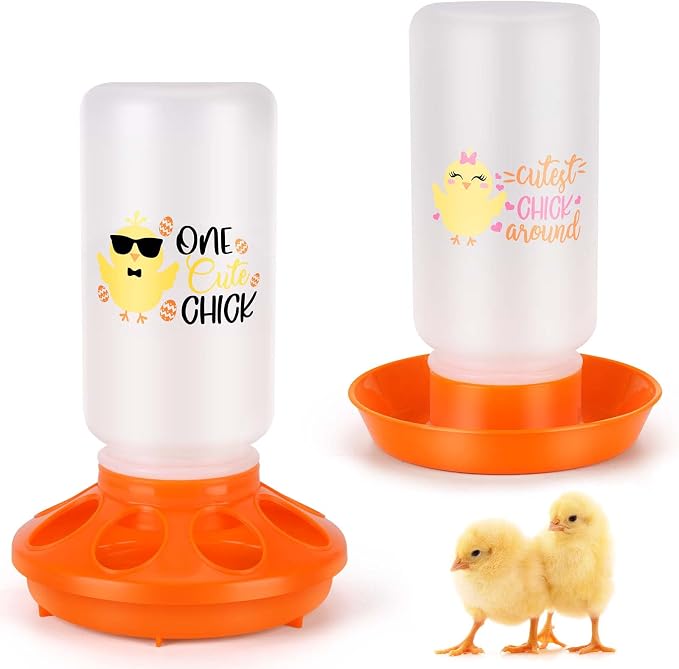
TGEYD Chick Feeder and Waterer Set to Automatic 1L Chicken Feeder and Waterer for Baby Chicks, Ducks, and Quail to Brooder Starter
- 🐤1L Chick Feeder and 1 L Chick Waterer: 8 feeding ports and the chick feeder and waterer kit with.
- 🐤Easy to install and disassemble: Just install the base and screw it upside down on the chicken feeder and.
- 🐤Thoughtful design: The waste-free design of the feeder will not generate additional feed waste; and the.
- 🐤Perfect Chick Starter Kit: Tgeyd chick feeder and chick waterer kit is BPA-free and made of higher.

Smart Chicks Coop Heater,2026 Upgraded Chick Heater with Auto Temperature Controllers & Heat Circulating Fan, Winter Brooder
- 2026 Upgraded Chicks Coop Heater- Active Airflow System Featuring an active circulation fan, this chicks.
- Smart Temperature Control - Our Brooder Box for Chicks built-in intelligent sensor of this chicken heater.
- High-Efficiency 50W Heating - Outperforms Traditional Chicken Coop Heaters Our energy efficient chicken.
- Safety-First & Observation Light - 24/7 Protection & Zero-Stress Brooding This fire proof brooder box for.
A flock of chickens brings fresh eggs, pest control, and lively personalities to any backyard. With dozens of breeds available, selecting the right one for your home requires careful thought. Matching a breed to your specific needs and environment is the first step toward a thriving flock.
Defining Your Chicken Keeping Goals
Before looking at specific breeds, consider what you hope to gain from your chickens. This primary purpose will narrow down your choices significantly.
Egg Production
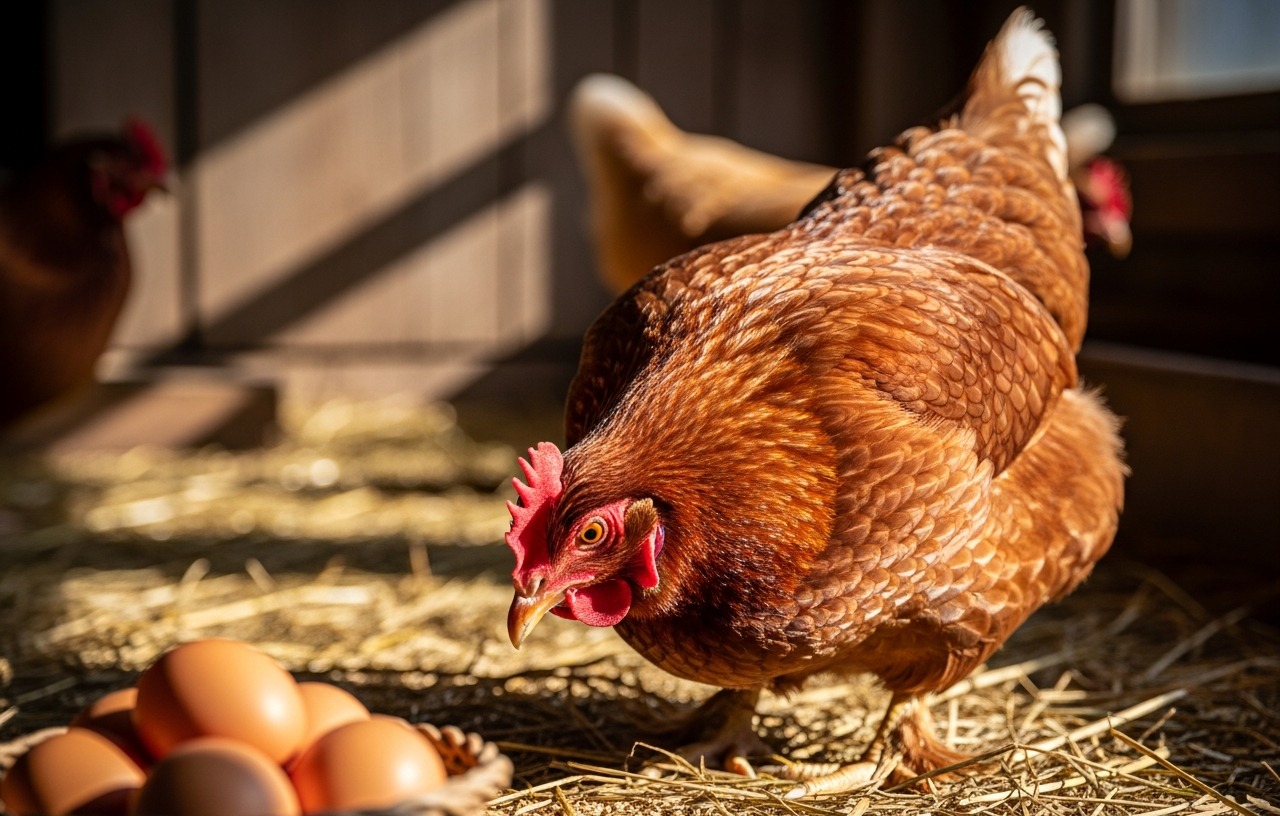
Many keepers prioritize a steady supply of fresh eggs. Breeds known for high egg production often lay 4-6 eggs per week. These breeds typically mature quickly and start laying around 18-24 weeks of age. Egg color, size, and shell strength also vary by breed. Some lay classic brown eggs, others white, and some produce beautiful blue or green eggs.
Meat Production
If your goal is sustainable meat, specific breeds grow large and quickly. These chickens are often ready for processing in 8-12 weeks. They convert feed efficiently into muscle mass. Keepers focused on meat production usually keep separate breeds from their laying flock due to different growth rates and nutritional needs.
Dual-Purpose Breeds
For homesteaders who want both eggs and meat, dual-purpose breeds offer a balanced approach. These chickens provide a good number of eggs and grow to a respectable size for meat. They are often hardy and have good temperaments, making them popular choices for backyard flocks.
Pets or Show Birds
Some people keep chickens for their unique appearance, friendly personalities, or for exhibition. Ornamental breeds might lay fewer eggs or grow slower, but they offer beauty and companionship. Temperament is a major consideration here, as some breeds are more docile and enjoy human interaction.
Key Factors for Breed Selection
Once your goals are clear, evaluate these practical considerations to find the best fit.
Climate Adaptability
Your local climate plays a significant role in a chicken's comfort and health. Chickens regulate their body temperature partly through their combs and wattles. Large combs and wattles are prone to frostbite in cold climates. Breeds with small combs or feathered legs handle cold better. Conversely, smaller-bodied breeds with larger combs dissipate heat more effectively in hot climates. For colder regions, consider adding a chicken coop heater if temperatures drop severely, though ventilation is often more important than heat. The Smart Chicks Coop Heater, 2026 Upgraded Chick Heater with Auto Temperature Controllers & Heat Circulating Fan, Winter Brooder, offers an active airflow system and intelligent temperature control, making it a good option for varying winter conditions. Its 50W heating is energy efficient.
Space Requirements
Chickens need space to thrive. Larger, more active breeds require more room than smaller, docile ones. If you have limited space, bantam (miniature) breeds or more confined-friendly standard breeds are better. Consider whether your chickens will free-range or be kept in a run. Active foragers benefit from more open space, while calmer breeds tolerate smaller enclosures.
Temperament and Noise Level
A chicken's personality impacts your daily life with the flock. Some breeds are naturally friendly and enjoy interaction, making them great with children. Others are more skittish or even aggressive. Roosters, in particular, can vary widely in temperament. Noise level is another factor. Most hens are relatively quiet, but some breeds are more vocal. Roosters crow, which can be an issue in urban or suburban areas with noise ordinances. Research the typical temperament and noise tendencies of any breed you consider.
Broodiness
Broodiness describes a hen's instinct to sit on and hatch eggs. Some breeds are highly broody, meaning they will stop laying and dedicate themselves to hatching chicks. This can be desirable if you want to naturally expand your flock, but it can also interrupt egg production. Other breeds are less prone to broodiness, ensuring a more consistent egg supply.
Understanding Egg Characteristics
Beyond quantity, the eggs themselves have distinct features depending on the breed.
- Egg Color: Common colors include various shades of brown, white, blue, and green. Breeds like Leghorns lay white eggs, while Orpingtons lay brown. Araucanas or Ameraucanas are known for blue or green eggs.
- Egg Size: Most breeds lay large or extra-large eggs, but some bantams lay small eggs, and certain heritage breeds might lay jumbo eggs.
- Laying Frequency: High-producing breeds can lay almost daily, while others might lay 2-3 times a week.
For consistent egg collection, ensure your hens have enough nesting boxes. Generally, one box for every 3-4 hens is sufficient.
Common Breed Categories and Examples
Here are some popular categories and breeds to consider, helping you choose a chicken breed that fits your needs.
Excellent Layers
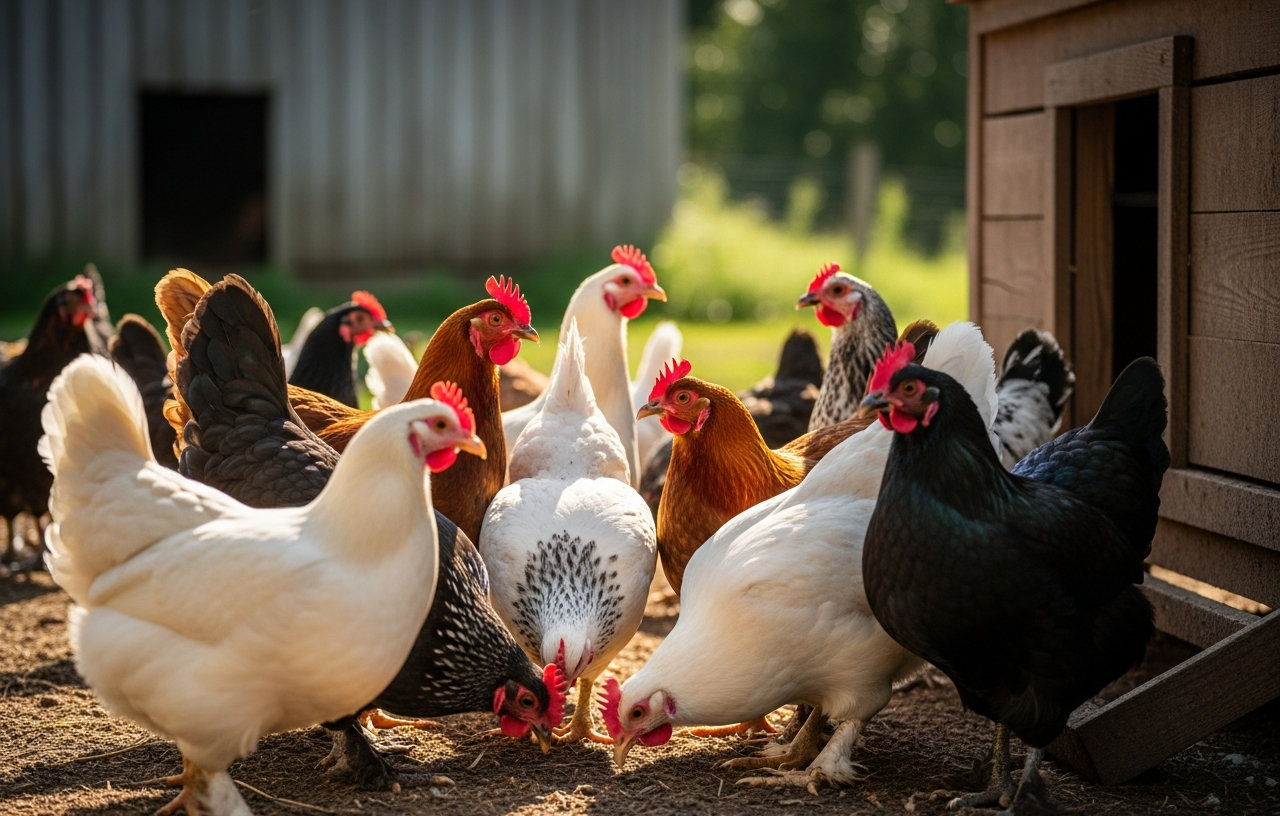
- Leghorn: Known for prolific white egg production, active, heat-tolerant.
- Rhode Island Red: Hardy, consistent brown egg layers, good dual-purpose potential.
- Sex Link (e.g., Black Star, Golden Comet): Hybrid breeds bred for high brown egg production and easy sexing as chicks.
Dual-Purpose Breeds
- Plymouth Rock: Friendly, hardy, good layers of brown eggs, decent meat birds.
- Wyandotte: Beautiful feather patterns, cold-hardy, reliable brown egg layers, calm temperament.
- Orpington: Very docile, fluffy, good brown egg layers, excellent for families.
Meat Breeds
- Cornish Cross: Bred for rapid growth and efficient feed conversion, ready for processing quickly.
Ornamental/Pet Breeds
- Silkie: Unique fluffy feathers, very docile, excellent broodies, lay small cream-colored eggs.
- Polish: Distinctive crest of feathers, calm, lay white eggs, often kept for their appearance.
long term Costs and Maintenance
The initial cost of chicks is usually low, often a few dollars each. However, the long term costs of keeping chickens add up. Feed is the largest ongoing expense. Larger breeds or high-producing layers consume more feed. Consider feed costs when choosing a chicken breed, especially if you plan a large flock.
Housing is another cost. A well built coop protects your flock from predators and the elements. You can learn about chicken coop predator proofing to keep your birds safe. Regular cleaning and bedding replacement are also essential. Winterizing your chicken coop may involve additional materials or insulation.
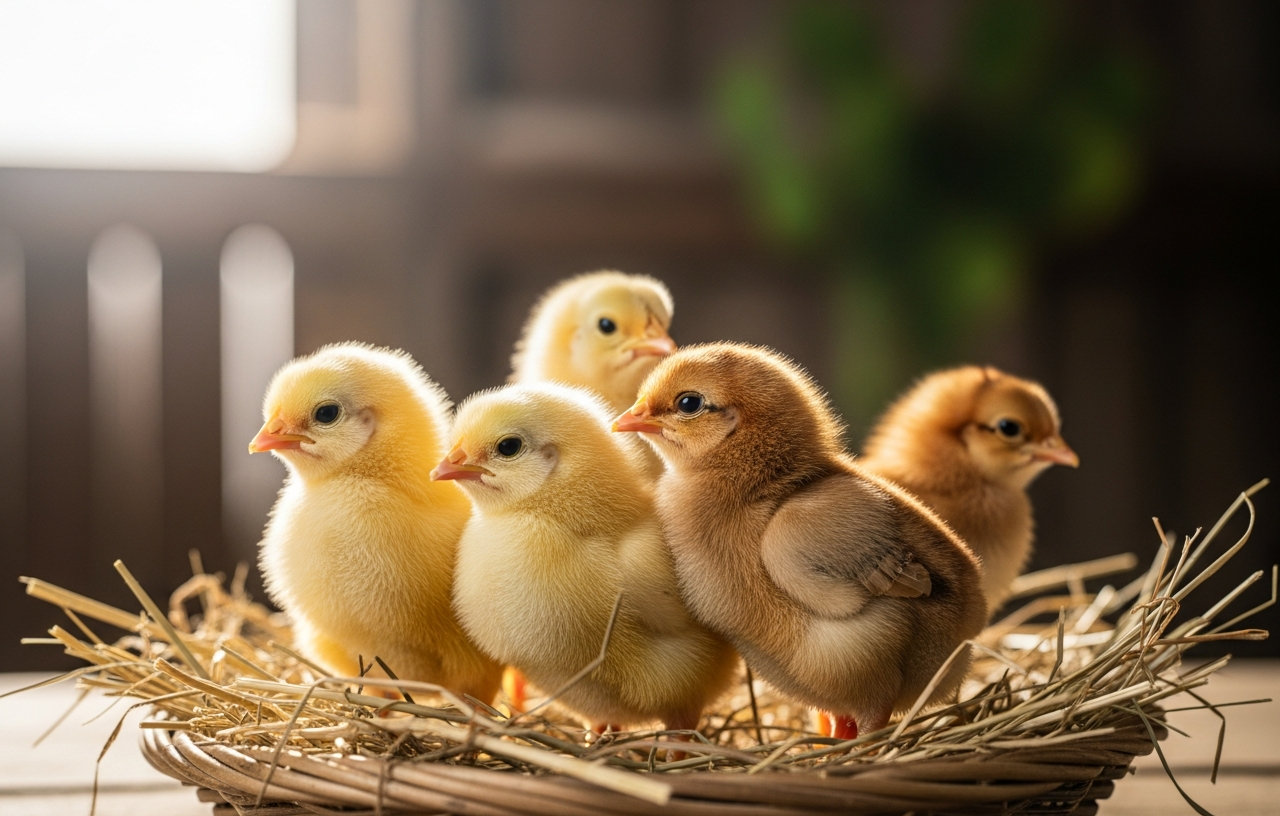
When raising baby chicks, proper equipment is essential. The TGEYD Chick Feeder and Waterer Set provides a 1L feeder with 8 feeding ports and a 1L waterer. This waste-free design helps conserve feed and keeps water clean, making it a good brooder starter kit for new chicks. You can find more options in Raising Baby Chicks: Everything You Need the First 8 Weeks.
Red Flags and Considerations When Buying Chicks
When you are ready to acquire your birds, selecting a reputable source is vital. Healthy chicks are active, alert, and have clean vents. Avoid chicks that appear lethargic, have pasty butts, or show signs of respiratory distress. Reputable hatcheries and local breeders provide healthy birds and often offer guarantees.
Check minimum order requirements from hatcheries. Many require a minimum number of chicks (e.g., 6 or 15) to ensure they stay warm during shipping. Consider if you are prepared for that many birds. Local feed stores often sell smaller quantities, but their selection might be more limited.
"Researching a breeder's reputation and reading customer reviews provides insight into the health and quality of their chicks. A good breeder prioritizes flock health and provides clear information about their birds."
Making Your Final Decision
To choose your chicken breed effectively, start by listing your top priorities. Do you live in a hot climate or a cold one? How much space do you have?
Compare breeds side-by-side based on these criteria. Many online resources and books detail specific breed characteristics. Don't be afraid to start with a small flock of 3-5 hens, especially if you are new to chicken keeping. This allows you to learn the ropes without being overwhelmed. You can always expand your flock later.
Remember that even within a breed, individual personalities can vary. Provide a clean environment, proper nutrition, and fresh water to help your flock thrive. Explore Best Chicken Waterer Options for a Healthy Flock and Best Chicken Feeders: No-Waste Options Your Flock Will Love for reliable equipment.
Recommendation
For most backyard keepers seeking a reliable source of brown eggs and a generally docile temperament, dual-purpose breeds like the Plymouth Rock, Wyandotte, or Orpington are excellent choices. They are hardy, adapt well to various climates, and provide a good balance of egg production and potential meat. If white eggs are your preference and you have a slightly warmer climate, a Leghorn cross offers high production. Always prioritize the health and source of your chicks, regardless of breed.
TGEYD Chick Feeder and Waterer Set to Automatic 1L Chicken Feeder and Waterer for Baby Chicks, Ducks, and Quail to Brooder Starter
- 🐤1L Chick Feeder and 1 L Chick Waterer: 8 feeding ports and the chick feeder and waterer kit with.
- 🐤Easy to install and disassemble: Just install the base and screw it upside down on the chicken feeder and.
- 🐤Thoughtful design: The waste-free design of the feeder will not generate additional feed waste; and the.
- 🐤Perfect Chick Starter Kit: Tgeyd chick feeder and chick waterer kit is BPA-free and made of higher.
Smart Chicks Coop Heater,2026 Upgraded Chick Heater with Auto Temperature Controllers & Heat Circulating Fan, Winter Brooder
- 2026 Upgraded Chicks Coop Heater- Active Airflow System Featuring an active circulation fan, this chicks.
- Smart Temperature Control - Our Brooder Box for Chicks built-in intelligent sensor of this chicken heater.
- High-Efficiency 50W Heating - Outperforms Traditional Chicken Coop Heaters Our energy efficient chicken.
- Safety-First & Observation Light - 24/7 Protection & Zero-Stress Brooding This fire proof brooder box for.