16Feet Weather Stripping Seal (1/2 Inch X 1/4 Inch) for Door Window, High Density Foam Tape, Soundproofing, Insulation Strip,
- Effective Weather Stripping Seal: Our high-density foam tape is designed for superior sealing, making it.
- Soundproofing Excellence: Not only does this foam tape keep the elements at bay, but it also helps to.
- Energy-Efficient Insulation: Seal your door frames with confidence. Our weather stripping tape provides a.
- Easy Installation: No need to be a DIY expert. Our tape comes with a hassle-free adhesive backing, making.

VITAM AMO Weather Stripping Seal Strip for Doors/Windows 18 Feet, Self-Adhesive Backing Seals Large Gap (from 5/16 inch to 15/32
- SEAL AND KEEP OUT UNWANTED WIND, WATER, LIGHT AND SOUND! - The simple use of the draught excluder around a.
- EPDM MATERIAL! This sealing strip is made of VITAM AMO's specially formulated EPDM rubber, which has.
- A QUICK SOLUTION! NO TOOLS OR EXPERIENCE REQUIRED - The length of seal stripping is 18 feet. If the length.
- VITAM AMO sealing strip has a special design with multi holes. The multi holes always reduce the sound.
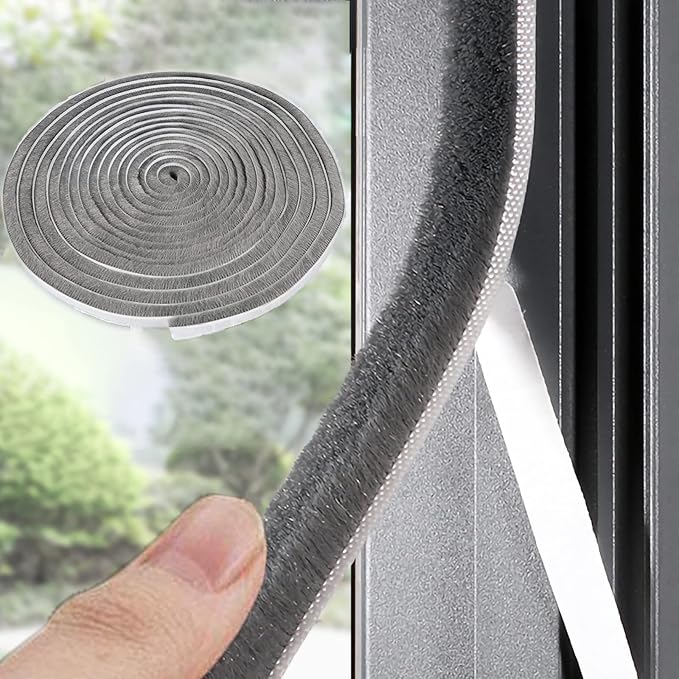
33 Ft Gray Self-Adhesive Soundproofing Weather Stripping for Doors and Windows, 0.35" Wide x 0.2" Thick
- Weather stripping door seal prevent heat and cold from escaping, save your heating and cooling bills.
- Brush weather stripping made of environmental friendly woven material, high density Brush, wear.
- The patio door weatherstripping has good anti-aging sealing performance,windproof, rainproof, dustproof.
- Window insulation for winter Self adhesive seal strip widely used in various glass doors, aluminum doors.
A drafty chicken coop is more than just uncomfortable for your flock; it can lead to health problems, reduced egg production, and even frostbite in severe cold. Chickens are surprisingly resilient, but persistent cold air blowing directly on them is detrimental. Understanding where drafts originate is the first step to creating a safe and warm winter home for your birds. The most common culprit is often simple, overlooked gaps and openings.
Identifying Drafts in Your Chicken Coop
The easiest way to spot a draft is to observe your chickens. Are they huddled together in a way that seems excessive, even for cold weather? Do they seem lethargic or reluctant to move? You can also perform a visual inspection on a windy day. Stand inside the coop with a lit incense stick or a thin piece of tissue paper. Hold it near walls, windows, doors, and any openings. If the smoke or paper moves significantly, you have a draft.
Pay close attention to the following areas:
- Around Doors and Windows: Hinges, latches, and frames are common leak points.
- Wall Seams and Corners: Gaps where different building materials meet can let air through.
- Ventilation Openings: While ventilation is vital, drafts can occur if vents are poorly designed or positioned.
- Roof Joints: Where roof panels meet or connect to walls.
- Floor Gaps: Especially if the coop is elevated or built on uneven ground.
Common Causes and Solutions for a Drafty Chicken Coop
1. Gaps Around Doors and Windows
This is by far the most frequent source of drafts in any structure, including chicken coops. Doors and windows, by their nature, have moving parts and seams that are imperfect seals. Even a small gap can allow a consistent stream of cold air to flow into the coop, directly impacting your birds. A poorly fitting door or a window with a damaged frame is a prime suspect. Over time, wood can warp, and seals can degrade.
Solution: Weather stripping is your best friend here. For doors and windows that open and close, apply self-adhesive foam tape around the frame. The [TOP PICK] 16Feet Weather Stripping Seal (1/2 Inch X 1/4 Inch) is an excellent choice. Its high-density foam provides superior sealing against wind and water, and it's also effective for soundproofing, which can add to the overall comfort of the coop. For larger gaps or fixed windows that might be loose, you can use caulk or expanding foam to seal them permanently. Ensure any product used is non-toxic and safe for birds once cured. Replacing a warped door or window frame may be necessary if the damage is extensive. This repair typically costs between $20 and $100 for materials, depending on the extent of the damage and the type of weather stripping or sealant used.
2. Inadequate Wall and Corner Sealing
Coop walls are often constructed from multiple panels or boards. Where these pieces join, or where walls meet corners, small gaps can form. These are especially common in DIY coops or older structures where wood has shrunk or shifted due to weather changes. Even a gap as thin as a credit card can create a noticeable draft when multiplied across an entire wall seam.
Solution: Use exterior-grade caulk or a flexible sealant to fill these gaps. Apply it liberally and smooth it out for a clean finish. For wider gaps, consider using VITAM AMO Weather Stripping Seal Strip for Doors/Windows, which can handle gaps from 5/16 inch to 15/32 inch. This EPDM rubber strip is durable and effective at blocking drafts. If you have very wide cracks, you might need to insert a backer rod before caulking. This type of repair is generally inexpensive, costing around $10 to $50 for caulk, sealant, and any necessary tools. A professional may charge $100 to $300 for extensive sealing work.
3. Improper Ventilation Design
Ventilation is absolutely critical for a healthy chicken coop. It allows moisture, ammonia, and stale air to escape, preventing respiratory issues and damp bedding. However, poorly placed or excessively large vents can create direct drafts. The goal is to allow air exchange without creating cold, direct currents that hit the birds.
Solution: Review your coop's ventilation strategy. Ideally, vents should be placed high on the walls, near the roofline, to allow warm, moist air to exit. Avoid placing vents directly opposite each other at roosting height, as this creates a direct airflow path. If your vents are too large or numerous, you can partially cover them with hardware cloth and a piece of wood or plastic, adjusting the coverage as needed. Consider adding baffles or shields to vents to redirect airflow upwards and away from the birds. Adjusting ventilation is typically a DIY task with minimal cost, often under $20 for materials like baffles or extra hardware cloth.
4. Gaps in the Floor or Foundation
If your coop is elevated or sits on an uneven surface, gaps can form between the floor joists or where the coop meets the ground. Cold air can rise through these openings, creating a chilly floor and drafts throughout the structure. This is particularly problematic in coops that are not fully enclosed at the base.
Solution: For elevated coops, you can attach a skirt of wood, metal sheeting, or even heavy duty plastic around the base to block airflow. Ensure this skirt extends to the ground or is sealed against the foundation. If the coop sits directly on the ground, check for any gaps where the walls meet the soil. You can fill these with soil, gravel, or by extending a hardware cloth skirt deeper into the ground for predator protection as well as draft prevention. For significant foundation issues, professional repair might be needed, costing $200 to $800. Minor gap filling is usually under $50.
5. Loose or Damaged Roofing
While less common than wall or door drafts, gaps in the roof can allow cold air to infiltrate. This can happen if shingles are damaged, roof panels are not properly sealed, or where the roof meets the walls. A persistent leak during rain can also indicate a gap that will let cold air in during winter.
Solution: Inspect your roof for any signs of damage, missing shingles, or gaps between panels. Repair or replace damaged sections as needed. Use roofing sealant or caulk to seal any small cracks or gaps. For metal roofs, ensure all seams are properly sealed. If you are not comfortable working on a roof, hire a professional. Roof repairs can range from $50 for minor sealant work to $500 or more for significant shingle replacement or panel sealing.
When to Call a Professional
For most common draft issues, such as gaps around doors, windows, or minor wall cracks, DIY solutions with weather stripping, caulk, or sealant are effective and cost-efficient. However, if you notice significant structural damage, such as warped framing, major roof issues, or extensive foundation problems, it is wise to consult a professional contractor or handyman. Attempting complex structural repairs without the proper knowledge or tools can lead to further damage or safety hazards. A professional can assess the situation accurately and perform the necessary repairs, ensuring the coop is structurally sound and draft-free. For these more involved issues, expect professional labor costs to range from $150 to $800, depending on the scope of work.
Maintaining a Draft-Free Coop
Regular maintenance is key to preventing drafts from becoming a problem. After initial repairs, inspect your coop at least twice a year, ideally in the spring and fall. Check for new gaps that may have formed due to wood expansion and contraction. Keep up with a regular coop cleaning schedule, as accumulated debris can sometimes hide small openings. Ensure automatic doors are functioning correctly and sealing properly, as discussed in Best Automatic Chicken Coop Doors: Set It and Forget It. By taking proactive steps, you can maintain a comfortable and healthy environment for your flock year-round, preventing issues like molting stress or illness from cold exposure, as detailed in Molting Chickens: What to Do and What NOT to Do for Your Flock.
Addressing drafts in your chicken coop is a vital part of responsible flock management. A well-sealed coop protects your birds from harsh weather, supports consistent egg production, and contributes to their overall health and happiness. With a few simple tools and a bit of attention, you can transform a drafty structure into a cozy sanctuary for your feathered friends.
16Feet Weather Stripping Seal (1/2 Inch X 1/4 Inch) for Door Window, High Density Foam Tape, Soundproofing, Insulation Strip,
- Effective Weather Stripping Seal: Our high-density foam tape is designed for superior sealing, making it.
- Soundproofing Excellence: Not only does this foam tape keep the elements at bay, but it also helps to.
- Energy-Efficient Insulation: Seal your door frames with confidence. Our weather stripping tape provides a.
- Easy Installation: No need to be a DIY expert. Our tape comes with a hassle-free adhesive backing, making.
VITAM AMO Weather Stripping Seal Strip for Doors/Windows 18 Feet, Self-Adhesive Backing Seals Large Gap (from 5/16 inch to 15/32
- SEAL AND KEEP OUT UNWANTED WIND, WATER, LIGHT AND SOUND! - The simple use of the draught excluder around a.
- EPDM MATERIAL! This sealing strip is made of VITAM AMO's specially formulated EPDM rubber, which has.
- A QUICK SOLUTION! NO TOOLS OR EXPERIENCE REQUIRED - The length of seal stripping is 18 feet. If the length.
- VITAM AMO sealing strip has a special design with multi holes. The multi holes always reduce the sound.
33 Ft Gray Self-Adhesive Soundproofing Weather Stripping for Doors and Windows, 0.35" Wide x 0.2" Thick
- Weather stripping door seal prevent heat and cold from escaping, save your heating and cooling bills.
- Brush weather stripping made of environmental friendly woven material, high density Brush, wear.
- The patio door weatherstripping has good anti-aging sealing performance,windproof, rainproof, dustproof.
- Window insulation for winter Self adhesive seal strip widely used in various glass doors, aluminum doors.