
Scratch and Peck Oyster Shell Supplement - 4 lb Bag - Natural Calcium Boost for Healthy Eggshells in Chickens and Ducks,
- Optimal Health and Egg Production - Enriched with 16% protein from organic grains, this feed provides a.
- Better Egg Quality - Made with a carefully selected formula that skips unnecessary fillers and allergens.
- Healthier Birds and Sturdier Eggshells - Our pure, flaked oyster shells provide a natural, calcium boost.
- Eco-Friendly Packaging - Comes in recyclable and compostable packaging, making it a simple, sustainable.

Scratch and Peck Whole Grain Layer Mash Chicken and Duck Feed - 10 lbs Bag - Corn-Free and Soy-Free - 16% Protein, Certified
- Boosts Growth and Vitality - Packed with 16% protein from organic grains, this feed promotes rapid muscle.
- Pure Organic Nutrition - Give your flock a healthier choice with our premium feed, made from a formula.
- Versatile Feeding Options - Choose what’s best! Feed dry for easy, mess-free meals or choose fermented to.
- Eco-Friendly Packaging - Comes in recyclable and compostable packaging, making it a simple, sustainable.
A sudden drop in egg production from your backyard flock can be concerning, but it often points to a few common issues: age or molting, inadequate nutrition, or environmental stress. Pinpointing the exact cause requires observing your flock and their environment closely.
Understanding Normal Egg Laying Patterns
Most chicken breeds begin laying eggs between 18 and 24 weeks of age. Egg production is highest in their first two to three years. After this period, a hen's laying frequency naturally decreases. Factors like breed, individual hen genetics, and overall health influence this timeline.
Typical Laying Frequency
A healthy, productive hen can lay anywhere from four to six eggs per week during her peak years. Some breeds are more prolific than others. For example, White Leghorns are known for their high output, while heritage breeds might lay less frequently. Understanding your specific breed's potential helps set realistic expectations.
Cause 1: Age and Molting Cycles
One of the most common reasons for a sudden halt in egg laying is a hen's natural life cycle. This includes both her age and the annual molting process.
How to Check for Age and Molting
- Check Hen Age: Review your records to see how old your hens are. Pullets (young hens) might be just starting their laying journey, which can be inconsistent at first. Older hens, typically those over three years old, naturally lay fewer eggs.
- Observe for Molting: Molting is when chickens shed old feathers and grow new ones. It usually happens once a year, often in the fall, and can last anywhere from 8 to 16 weeks. During this time, a hen directs her energy towards feather growth, not egg production. Look for missing feathers, especially around the neck and back, and new pin feathers emerging.
Solutions for Age and Molting
There is no way to stop the natural aging process or molting. Instead, focus on supporting your hens through these periods. For molting hens, increase their protein intake to help with new feather growth. A feed with 20% protein can be beneficial during this time. You can learn more about supporting your flock during this phase by reading our article on Molting Chickens: What to Do and What NOT to Do for Your Flock.
Cause 2: Nutritional Deficiencies
Proper nutrition is fundamental for consistent egg production. A hen needs a balanced diet rich in protein, calcium, and other essential vitamins and minerals.
How to Check for Nutritional Deficiencies
- Review Feed: Inspect your chicken feed. Is it a high quality layer feed with at least 16% protein? Starter or grower feeds are not adequate for laying hens.
- Check Calcium Intake: Hens require significant calcium to form strong eggshells. If you find soft-shelled or shell-less eggs, or if laying stops entirely, calcium deficiency is a likely cause.
- Observe Eating Habits: Are all hens eating well? Some might be bullied away from the feeder, leading to undernourishment.
Solutions for Nutritional Deficiencies
Make sure your flock has constant access to a high quality layer feed. A feed like [Option 2] Scratch and Peck Whole Grain Layer Mash Chicken and Duck Feed, with 16% protein from organic grains, can promote vitality and egg production. Offer free-choice calcium supplementation, such as oyster shells, separately from their feed. This allows hens to consume calcium as needed.
Providing a natural calcium boost is essential for optimal eggshell quality. The [TOP PICK] Scratch and Peck Oyster Shell Supplement - 4 lb Bag is an excellent choice. Its pure, flaked oyster shells give hens the necessary calcium for healthier birds and sturdier eggshells. This supplement is enriched with 16% protein from organic grains, contributing to overall health and egg production.
Cause 3: Environmental Stressors
Chickens are sensitive to their environment. Stress can significantly impact their laying cycles. Many factors can contribute to stress, including light, temperature, predators, and coop conditions.
How to Check for Environmental Stressors
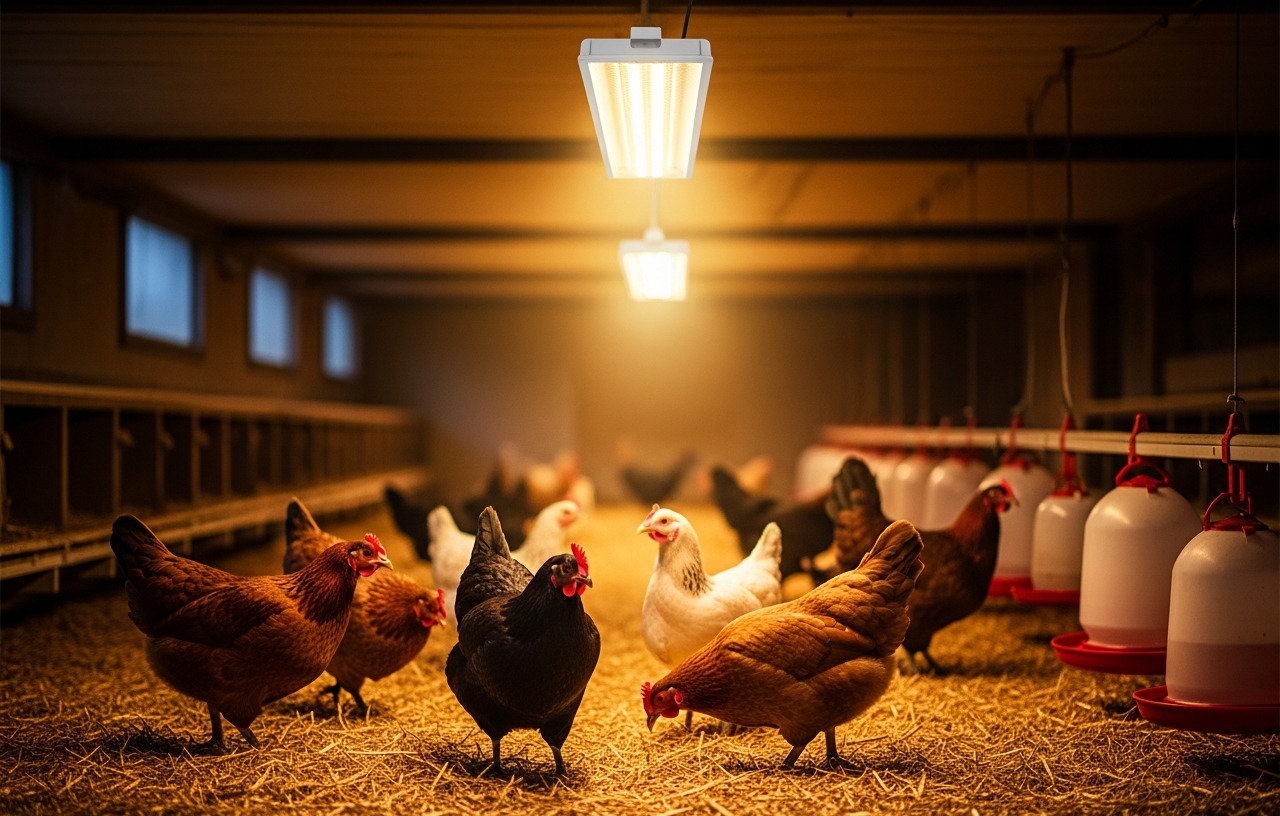
- Daylight Hours: Hens need 14-16 hours of light per day to maintain consistent egg production. Shorter daylight hours in winter naturally reduce laying.
- Temperature Extremes: Both very hot and very cold weather can stress hens and cause a drop in laying.
- Predator Presence: Even the perceived threat of predators can stress a flock. Look for signs of predator activity around the coop.
- Coop Conditions: Overcrowding, lack of clean nesting boxes, insufficient ventilation, or dirty bedding can all cause stress.
- Loud Noises or Sudden Changes: Construction, new pets, or unusual activity near the coop can upset hens.
Solutions for Environmental Stressors
- Provide Adequate Light: During winter months, consider adding supplemental light to the coop to extend daylight hours to 14-16 hours. A simple LED bulb on a timer can help. Read our guide on Chicken Coop Lighting: Keep Hens Laying Through Winter for detailed advice.
- Manage Temperature: Make sure the coop has good ventilation in summer to prevent overheating. In winter, protect against drafts and extreme cold, but avoid overheating.
- Predator Proofing: Secure your coop against common predators. This includes using hardware cloth, burying wire skirts, and making sure latches are secure. For more information, see our article on Chicken Coop Predator Proofing: How to Protect Your Flock.
- Improve Coop Hygiene: Clean nesting boxes regularly. Provide one nesting box for every 3-4 hens. Make sure the coop is not overcrowded.
- Minimize Disturbances: Keep the chicken environment calm and consistent.
Cause 4: Health Issues and Pests
Underlying health problems or external parasites can severely impact a hen's ability to lay eggs.
How to Check for Health Issues and Pests
- Physical Examination: Carefully examine each hen. Look for signs of illness like lethargy, ruffled feathers, pale comb/wattles, discharge from eyes or nostrils, or unusual droppings.
- Check for Pests: Inspect feathers, especially around the vent, for mites, lice, or other external parasites. These can cause irritation, anemia, and significant stress.
- Observe for Broodiness: A broody hen wants to sit on eggs to hatch them. She will often stay in the nesting box, resist moving, and display protective behavior. She stops laying eggs during this period.
- Check for Egg Binding: An egg-bound hen has an egg stuck in her oviduct. She might appear distressed, strain, walk like a penguin, or constantly visit the nesting box without laying. This is a serious condition.
Solutions for Health Issues and Pests
- Treat Pests: If you find mites or lice, treat your flock and coop immediately. Dusting hens with diatomaceous earth or using specific poultry dusts can help. .
- Break Broodiness: If a hen is broody, you can try to break her broodiness by removing her from the nesting box, placing her in a wire-bottomed cage for a few days, or disturbing her nesting area.
- Address Egg Binding: Egg binding requires immediate attention. You can try a warm bath and lubrication to help her pass the egg. If she cannot pass it, a veterinarian visit is necessary. Learn more about symptoms and treatment in Egg Bound Chicken: Signs, Causes, and How to Help Her.
- Veterinary Care: For severe illness, a vet specializing in poultry is the best option. A service call for an avian vet can range from $80-$150 for an initial consultation, with treatment costs varying based on the diagnosis.
Cause 5: Lack of Nesting Box Access or Comfort
Sometimes, hens stop laying simply because their nesting environment is not ideal. Hens prefer a safe, private, and clean space to lay their eggs.
How to Check for Nesting Box Issues
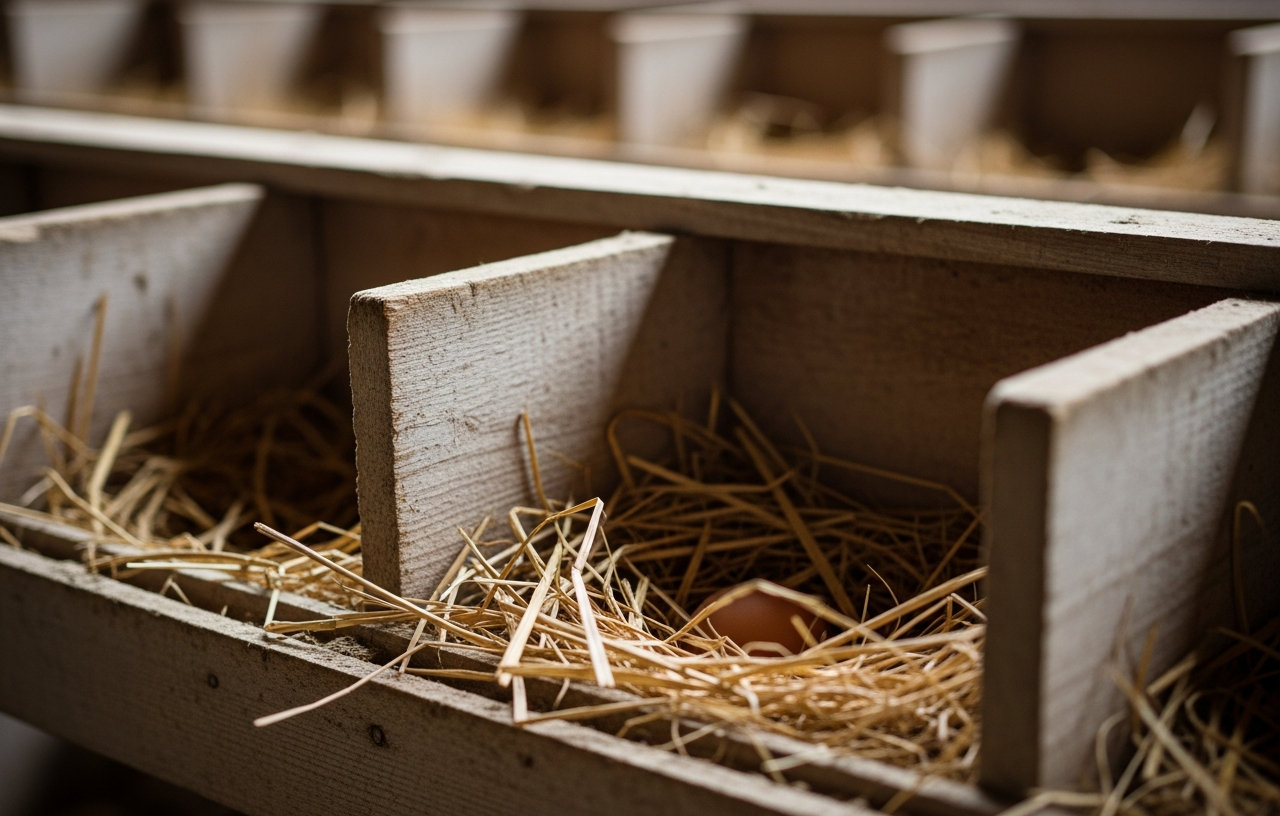
- Nesting Box Ratio: Do you have enough nesting boxes for your flock? The general rule is one box for every 3-4 hens.
- Cleanliness: Are the nesting boxes clean and filled with fresh bedding? Hens avoid dirty or insect-infested boxes.
- Privacy and Security: Are the nesting boxes in a quiet, somewhat secluded part of the coop? Hens do not like to feel exposed while laying.
- Accessibility: Are the boxes easy for all hens to access, including smaller or older birds?
Solutions for Nesting Box Issues
- Increase Nesting Boxes: If you have too few, add more. This reduces competition and stress. Our guide on How Many Chicken Nesting Boxes Do Your Hens Need? provides more detail.
- Maintain Cleanliness: Change nesting box bedding regularly. Use soft, absorbent materials like pine shavings or straw.
- Create Privacy: Position nesting boxes in darker, quieter areas of the coop. You can add curtains over the openings for extra seclusion.
- Provide Easy Access: Make sure perches or ramps lead directly to the nesting boxes so hens can easily enter and exit.
Cause 6: Hidden Egg Laying
It is possible your hens are laying eggs, but not in the expected places.
How to Check for Hidden Egg Laying
- Search the Coop and Run: Thoroughly check under bushes, in tall grass, behind equipment, or in other secluded spots within the coop and run.
- Look in Unusual Places: Hens can be surprisingly inventive. Check inside old tires, buckets, or forgotten corners of sheds.
Solutions for Hidden Egg Laying
Regularly collect eggs from nesting boxes. If you find hidden stashes, remove them. This encourages hens to use the designated boxes. You can place a 'nest egg' (a ceramic or wooden egg) in each nesting box to signal that it is a safe place to lay.
Final Thoughts on Troubleshooting Egg Production
Diagnosing why your chickens are not laying eggs involves careful observation and systematic troubleshooting. Start with the most common culprits like age, diet, and environmental factors. By addressing these potential issues, you can often restore your flock's egg production. Patience is important as changes in diet or environment may take a week or two to show results in egg laying. Regular care, a balanced diet, and a stress-free environment are the best ways to keep your hens healthy and productive.
Scratch and Peck Oyster Shell Supplement - 4 lb Bag - Natural Calcium Boost for Healthy Eggshells in Chickens and Ducks,
- Optimal Health and Egg Production - Enriched with 16% protein from organic grains, this feed provides a.
- Better Egg Quality - Made with a carefully selected formula that skips unnecessary fillers and allergens.
- Healthier Birds and Sturdier Eggshells - Our pure, flaked oyster shells provide a natural, calcium boost.
- Eco-Friendly Packaging - Comes in recyclable and compostable packaging, making it a simple, sustainable.
Scratch and Peck Whole Grain Layer Mash Chicken and Duck Feed - 10 lbs Bag - Corn-Free and Soy-Free - 16% Protein, Certified
- Boosts Growth and Vitality - Packed with 16% protein from organic grains, this feed promotes rapid muscle.
- Pure Organic Nutrition - Give your flock a healthier choice with our premium feed, made from a formula.
- Versatile Feeding Options - Choose what’s best! Feed dry for easy, mess-free meals or choose fermented to.
- Eco-Friendly Packaging - Comes in recyclable and compostable packaging, making it a simple, sustainable.