
FlockLeader Recover 911, Severe Stress Probiotic Water Supplement for Chickens with Electrolytes, Prebiotics & Oregano, Molting,
- The information below is per-pack only
- Recover 911 is uniquely formulated with the right mix of probiotics, prebiotics, electrolytes, oregano and.
- Recover 911 helps ease inflammation, digestive issues and dehydration triggered by severe stress, allowing.
- Recover 911 addresses signs of severe stress in backyard chickens, including extreme panting.
A sudden change in your chicken's droppings, particularly a watery or very loose consistency, often indicates an underlying issue. While occasional soft droppings can be normal, persistent diarrhea in chickens requires attention. Understanding the potential chicken diarrhea causes is the first step toward a healthy flock. The most common reasons include dietary changes, stress, and parasitic infections.
Understanding Normal Chicken Droppings
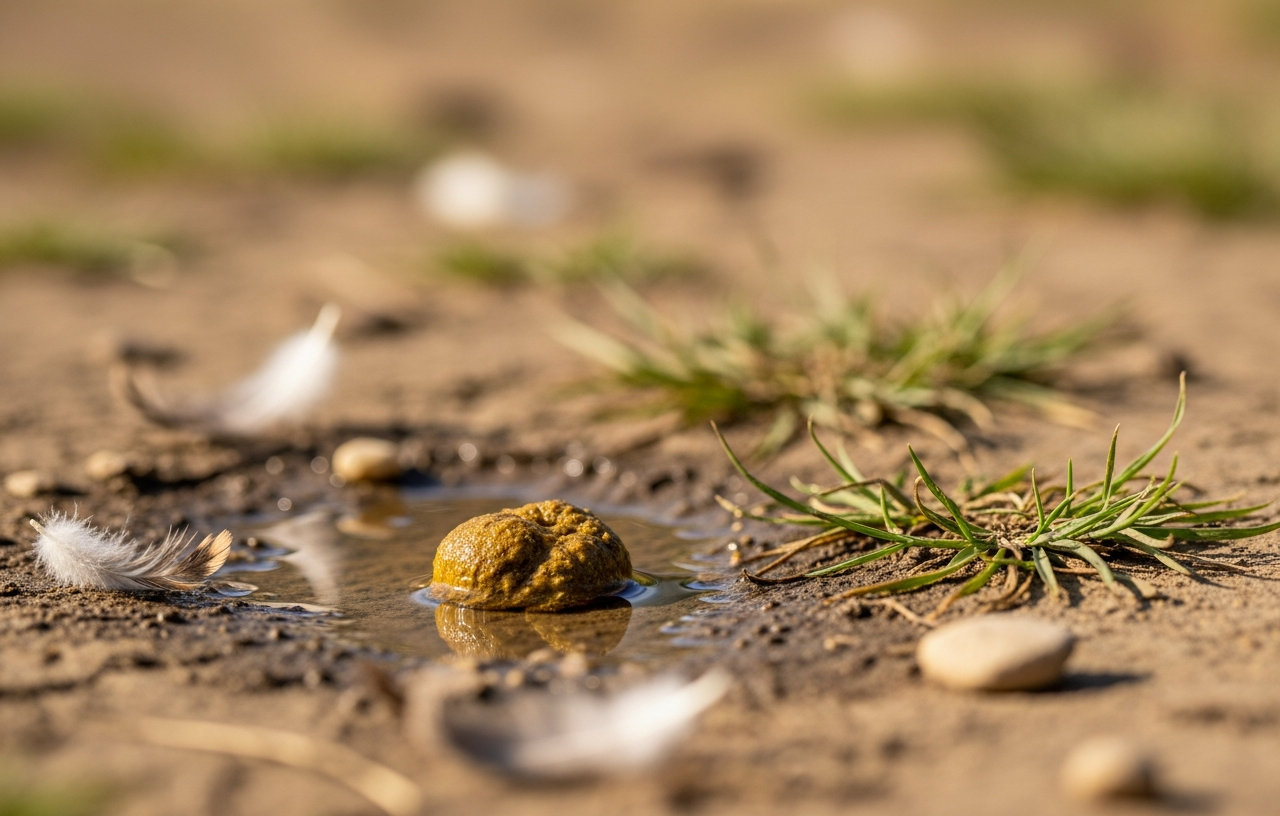
Before diagnosing diarrhea, know what healthy chicken droppings look like. Normal chicken poop varies. It is usually firm, brown or greenish, and topped with a white cap of urates. Cecal droppings, which chickens produce every 8-10 droppings, are also normal. These are darker, more tar-like, and smell stronger. They are also softer than regular droppings. These are not a sign of illness. True diarrhea is consistently watery, lacks solid form, and often stains feathers around the vent.
Dietary Issues: A Common Cause of Chicken Diarrhea
One of the most frequent chicken diarrhea causes relates directly to their diet. Chickens have sensitive digestive systems. Any abrupt change can upset their gut balance.
Sudden Feed Changes
Changing feed brands or types too quickly can lead to digestive upset. Your flock needs time to adjust to new ingredients. This can cause chickens to have diarrhea as their system tries to process unfamiliar nutrients. Always transition new feed slowly over 7-10 days, mixing increasing amounts of the new feed with the old.
Too Many Treats or Scraps
While chickens love treats, excessive amounts of fruits, vegetables, or kitchen scraps can throw off their diet. Foods high in water content or sugar can cause loose stools. An unbalanced diet can also lead to nutrient deficiencies, weakening their immune system. Offer treats sparingly, making up no more than 10% of their daily intake. A balanced commercial feed should always be their primary food source. For tips on managing feed, see our guide on Best Chicken Feeders: No-Waste Options Your Flock Will Love.
Moldy or Spoiled Feed
Contaminated feed is a serious problem. Moldy feed can contain toxins that cause severe digestive upset, leading to diarrhea and other health issues. Always inspect feed for mold, unusual smells, or insect infestations. Store feed in airtight, rodent-proof containers in a cool, dry place. Discard any suspicious feed immediately. The cost of replacing spoiled feed is minimal compared to veterinary bills.
Diagnosing Dietary Diarrhea
Quick Test: Review your flock's recent diet. Have you introduced new feed or significantly increased treats? Check their feed for mold or spoilage. Observe if the diarrhea resolves after returning to a consistent, high quality layer feed and limiting treats.
Repair Costs: This cause generally costs nothing to fix. It involves adjusting feeding practices. Replacing spoiled feed is a minor expense, typically under $50.
Stress: Another Factor in Chicken Diarrhea
Chickens are surprisingly sensitive to stress. High stress levels can disrupt their digestive system, resulting in diarrhea. This is another common answer to what causes chicken diarrhea.
Environmental Stressors
- Extreme Weather: Both excessive heat and cold can stress chickens. Heat stress often leads to increased water intake and watery droppings. Make sure they have plenty of fresh, cool water, especially in summer. Consider adding electrolytes to their water during hot spells.
- Predator Attacks or Threats: A recent predator sighting or attack can terrify a flock, causing stress-induced diarrhea. Review your coop's predator proofing. Our article on Chicken Coop Predator Proofing: How to Protect Your Flock offers helpful advice.
- New Flock Members: Introducing new chickens without proper quarantine and integration can cause stress for both old and new birds.
- Overcrowding: Too many birds in a small space increases stress, competition, and the spread of disease.
Physical Stressors
- Molting: The process of losing and regrowing feathers is energy-intensive and stressful. Chickens may show signs of stress, including loose droppings, during this time. Read Molting Chickens: What to Do and What NOT to Do for Your Flock for more information.
- Injury or Illness: Any physical ailment can cause stress. The body's response to pain or infection can manifest as diarrhea.
Diagnosing Stress-Related Diarrhea
Quick Test: Consider recent events in your coop and flock. Has there been a sudden temperature change? Have you added new birds? Is there evidence of predator activity? Observe your chickens' behavior for other signs of stress, such as lethargy, hiding, or reduced appetite.
Repair Costs: Addressing stress can cost nothing, involving environmental adjustments. For severe stress and dehydration, a probiotic water supplement like FlockLeader Recover 911 is highly recommended. This product is uniquely formulated with probiotics, prebiotics, electrolytes, and oregano. It helps ease inflammation, digestive issues, and dehydration triggered by severe stress. It allows chickens to recover more quickly. The cost for a supplement is typically under $30 per pack.
Parasitic Infections: A More Serious Cause
Parasites are a common and concerning answer to why do chickens get diarrhea. They can significantly impact a chicken's health and productivity.
Coccidiosis
Coccidiosis is a common and highly contagious parasitic disease, especially in young chicks. It attacks the intestinal lining, causing severe diarrhea that can be bloody. Chicks with coccidiosis often appear hunched, listless, and have ruffled feathers. Older birds can carry the parasite without showing severe symptoms but still shed oocysts, infecting others. This disease can cause diarrhea in chickens of all ages.
Worms (Internal Parasites)
Several types of worms, including roundworms, capillary worms, and tapeworms, can infest a chicken's digestive tract. A heavy worm load irritates the intestines, interferes with nutrient absorption, and can lead to chronic diarrhea, weight loss, and reduced egg production. You might see worms in the droppings of heavily infested birds.
Diagnosing Parasitic Diarrhea
Quick Test: Look for other symptoms. Is the diarrhea bloody (a strong indicator of coccidiosis)? Are birds losing weight despite eating? Are they lethargic, pale, or showing other signs of illness? Collect a fresh droppings sample. Your veterinarian can perform a fecal float test to identify coccidia oocysts or worm eggs. This is the most reliable way to confirm parasitic infections.
Repair Costs: Veterinary consultation and fecal tests typically cost $80-$150 for a service call, plus lab fees. Treatment for coccidiosis usually involves medicated water or feed. Dewormers for internal parasites are also available. These medications generally cost $20-$60, depending on the size of your flock and the specific treatment.
Bacterial or Viral Infections
While less common for the backyard keeper to diagnose definitively, bacterial and viral infections can also be chicken diarrhea causes.
Bacterial Infections (e.g., Salmonella, E. coli)
Certain bacteria can cause severe gastrointestinal distress, leading to watery or greenish diarrhea. These infections often spread quickly within a flock. They require veterinary intervention, including antibiotics. Can chicken cause diarrhea in humans? Yes, some bacterial infections like Salmonella are zoonotic, meaning they can transfer from chickens to humans. Always practice good hygiene when handling chickens or eggs.
Viral Infections
Some viral diseases, such as Marek's disease or Infectious Bronchitis (though primarily respiratory), can sometimes present with digestive symptoms, including diarrhea. These are harder to treat and often require supportive care. There is no specific treatment for most viral infections.
Diagnosing Bacterial or Viral Diarrhea
Quick Test: Observe for other systemic signs of illness: fever, respiratory symptoms (coughing, sneezing), neurological issues, or sudden deaths in the flock. If multiple birds are sick with severe symptoms, especially if you suspect highly contagious disease, a veterinary diagnosis is essential. A vet may recommend lab tests on droppings or deceased birds for definitive identification.
Repair Costs: Veterinary diagnostics can range from $100-$300, depending on the tests. Antibiotics, if prescribed, might cost $30-$80. These costs can increase if a full flock treatment is needed.
Other Potential Chicken Diarrhea Causes
- Kidney or Liver Disease: Older birds can develop organ issues that affect their metabolism and waste elimination, sometimes causing chronic diarrhea.
- Toxins: Ingesting toxic plants or chemicals can lead to severe gastrointestinal upset.
- Dehydration: While diarrhea causes dehydration, severe dehydration itself can sometimes lead to loose stools as the body struggles to regulate fluids. Make sure your flock has access to fresh, clean water. Our guide on Best Chicken Waterer Options for a Healthy Flock can help.
How to Treat a Chicken with Diarrhea
Once you identify what causes chickens to have diarrhea, treatment depends on the underlying issue. Always isolate any sick bird to prevent the spread of potential illness.
Supportive Care for All Cases
Regardless of the cause, supportive care is important:
- Hydration: Offer plenty of fresh, clean water. Adding electrolytes (like FlockLeader Recover 911) can help combat dehydration, especially with severe or prolonged diarrhea.
- Probiotics: A good probiotic supplement can help restore beneficial gut bacteria, aiding digestion and recovery. FlockLeader Recover 911 contains probiotics and prebiotics specifically for this purpose.
- Clean Environment: Keep the sick bird's area meticulously clean to prevent further infection and stress. A clean coop environment also helps prevent parasitic spread. Refer to Your Ultimate Chicken Coop Cleaning Checklist for a Healthy Flock.
- Easy-to-Digest Food: Offer bland, easily digestible food, such as a cooked scrambled egg or oatmeal, in small amounts.
Specific Treatments
- Dietary Adjustments: Correct feed issues.
- Stress Reduction: Remove or mitigate stressors.
- Medication: If parasites or bacterial infections are confirmed by a vet, administer appropriate medication (coccidiostats, dewormers, antibiotics). Follow veterinary instructions carefully.
When to Call the Vet
While many chicken diarrhea causes are minor and treatable at home, some situations warrant a veterinary visit:
- Bloody diarrhea.
- Multiple birds are affected.
- Diarrhea persists for more than 24-48 hours despite home care.
- Birds show other severe symptoms like extreme lethargy, loss of appetite, or difficulty breathing.
- Sudden deaths in the flock.
A poultry-savvy veterinarian can provide an accurate diagnosis and appropriate treatment plan. This protects your flock and prevents potential spread to other animals or humans.
Keeping a close eye on your flock's droppings is a simple but effective way to monitor their health. Early detection of chicken diarrhea causes can make a significant difference in treatment outcomes and overall flock well-being. Regular observation helps maintain a healthy and productive backyard flock.
FlockLeader Recover 911, Severe Stress Probiotic Water Supplement for Chickens with Electrolytes, Prebiotics & Oregano, Molting,
- The information below is per-pack only
- Recover 911 is uniquely formulated with the right mix of probiotics, prebiotics, electrolytes, oregano and.
- Recover 911 helps ease inflammation, digestive issues and dehydration triggered by severe stress, allowing.
- Recover 911 addresses signs of severe stress in backyard chickens, including extreme panting.


