
Rooster Booster B-12 Liquid, 32-Ounce
- Stimulates appetite
- Oxygenates blood
- Increases alertness
- For poultry

FlockLeader Recover 911, Severe Stress Probiotic Water Supplement for Chickens with Electrolytes, Prebiotics & Oregano, Molting,
- The information below is per-pack only
- Recover 911 is uniquely formulated with the right mix of probiotics, prebiotics, electrolytes, oregano and.
- Recover 911 helps ease inflammation, digestive issues and dehydration triggered by severe stress, allowing.
- Recover 911 addresses signs of severe stress in backyard chickens, including extreme panting.
A chicken standing hunched, eyes dull, and unresponsive to its flockmates is exhibiting lethargy, a critical sign of underlying health issues. This symptom can indicate anything from a simple nutritional deficiency to a severe infectious disease. The most common culprits include parasitic infestations, digestive upset, environmental stress, and more serious conditions. Prompt action is vital for recovery.
What Does Lethargy Look Like in a Chicken?
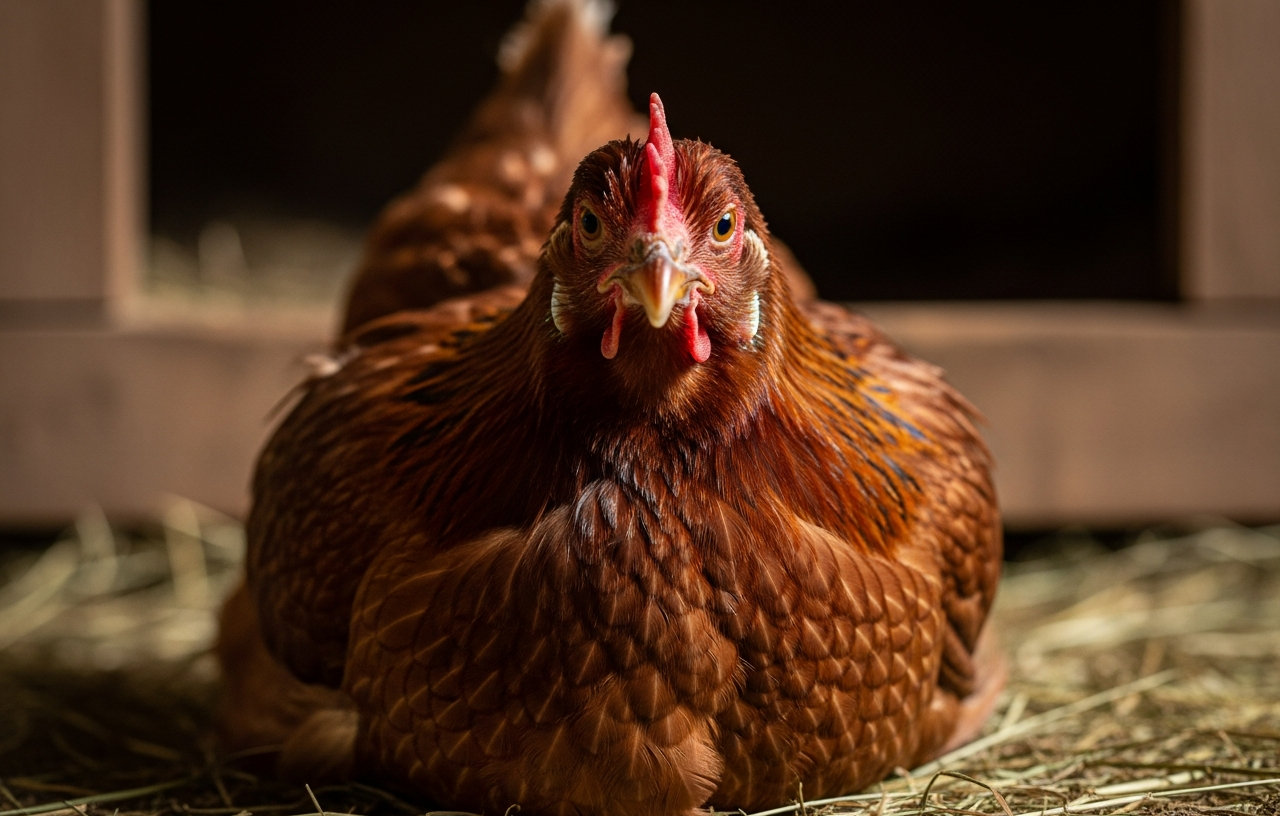
Lethargy is more than just a chicken being quiet. It is a noticeable lack of energy and responsiveness. You might observe a bird standing still for extended periods, separate from the rest of the flock. Its feathers may appear ruffled or dull, and its comb and wattles might be pale. A lethargic chicken often shows little interest in food or water, even when offered treats. It might move slowly, show an unwillingness to roost, or simply stand with its head tucked. Dull or half-closed eyes are another common visual cue. Pay close attention to these behaviors, as they signal a chicken in distress.
Step 1: Isolate and Observe
The first step when you notice a lethargic chicken is to separate it from the rest of the flock. This prevents potential spread of illness and allows for closer observation. Place the sick bird in a quiet, warm, secure space, like a dog crate or a dedicated sick bay within the coop. Provide easy access to fresh water and a small amount of easily digestible food, such as scrambled egg or oatmeal. Monitor the bird for other visible symptoms like unusual droppings, discharge from eyes or nostrils, swelling, limping, or labored breathing. Documenting these additional signs helps narrow down the potential cause.
Common Causes of Sick Chicken Symptoms (Lethargic)
Lethargy is a general symptom, meaning many different problems can cause it. Understanding the most frequent issues helps you troubleshoot effectively.
Parasitic Infestations (Mites, Lice, Internal Worms)
Parasites are a common cause of weakness and lethargy in chickens. External parasites, such as mites and lice, cause intense irritation, stress, and in severe cases, blood loss. Internal parasites, like worms, compete with the chicken for nutrients, leading to malnutrition and weakness.
Quick Test: Confirming Parasites
- External Parasites: Carefully inspect the chicken's vent area, under its wings, and along the feather shafts. Look for tiny, crawling insects, nits (egg clusters) at the base of feathers, scabs, or red, irritated skin. Red mites are often visible at night or in coop crevices. For a thorough check, hold the bird upside down for a few seconds; mites may crawl towards its head.
- Internal Parasites: Observe the chicken's droppings for visible worms. Signs of internal parasites also include weight loss despite eating, a pale comb, and diarrhea.
Treatment and Costs
Treating external parasites often involves dusting powders or sprays containing permethrin or carbaryl. These products are generally inexpensive, costing under $20-$30 for a container. For internal worms, commercial dewormers are available. It is advisable to consult a veterinarian for proper diagnosis and dosage, especially if you suspect a heavy worm load. A vet service call can cost $80-$150, plus the cost of medication. Common issues include sour crop, impacted crop, or general gut upset.
Quick Test: Checking the Crop and Droppings
- Crop Check: Gently feel the chicken's crop, located at the base of its neck, first thing in the morning before it has eaten. It should feel empty and soft. If it is hard, distended, or feels gassy, it may be impacted or sour. A sour crop may also produce a foul, yeasty smell from the bird's mouth.
- Droppings: Examine the chicken's droppings. Diarrhea, unusual colors (like bright green or yellow), or blood can indicate digestive distress.
Treatment and Costs
For a sour crop, try gently massaging the crop and withholding food for 12 hours, offering only water with electrolytes. A small amount of olive oil (1-2 ml) can sometimes help. If the issue is fungal, a vet may prescribe Nystatin. For an impacted crop, gentle massage and withholding food can also help. Severe impactions or blockages might require veterinary intervention, which could involve surgery in rare cases, costing $200-$500 depending on the complexity. If dehydration or severe stress is suspected due to digestive issues, consider adding FlockLeader Recover 911 to their water. This supplement provides probiotics, prebiotics, electrolytes, and oregano to ease inflammation and digestive upset.
Nutritional Deficiencies and Dehydration
A chicken deprived of essential vitamins, minerals, or sufficient water will quickly become lethargic. Poor nutrition weakens the immune system and reduces energy levels. Dehydration is particularly dangerous and can be fatal if not addressed quickly.
Quick Test: Assessing Diet and Water Intake
- Water Access: Observe if the chicken is drinking. Check the waterer for cleanliness, freshness, and accessibility. Is the water frozen in winter or too hot in summer?
- Feed Quality: Is the chicken feed fresh, complete, and appropriate for its age and laying status? Are other flock members preventing the sick bird from eating?
- Physical Signs: Look for a pale comb, brittle feathers, or a significant drop in egg production.
Treatment and Costs
Ensure constant access to fresh, clean water. In cases of dehydration, offer water mixed with electrolytes. You can use commercial poultry electrolytes or a homemade solution of sugar and salt. For a chicken struggling with appetite or overall vigor, a supplement like Rooster Booster B-12 Liquid can stimulate appetite and increase alertness. This product helps oxygenate the blood, providing a boost to a lethargic bird. Always provide a high quality, balanced chicken feed. These treatments are generally low cost, involving supplements or new feed, typically under $30.
Maintaining proper hydration is vital. Review our recommendations for Best Chicken Waterer Options for a Healthy Flock.
Environmental Stress (Heat, Cold, Bullying)
Chickens are susceptible to environmental stressors. Extreme temperatures, predator scares, or constant bullying from flockmates can all lead to stress, which manifests as lethargy, lowered immunity, and reluctance to move.
Quick Test: Evaluating the Coop Environment and Flock Dynamics
- Coop Conditions: Check the coop's temperature. Is it excessively hot or cold? Is there adequate ventilation? Are there drafts? Are there signs of predator activity, such as disturbed bedding or anxious flock behavior?
- Flock Interactions: Observe the flock's dynamics. Is one bird consistently being pecked, chased, or denied access to food and water by others?
Treatment and Costs
Adjust the coop environment to comfortable temperatures. Provide shade and plenty of cool water in summer, and adequate shelter and warmth in winter. Improve Chicken Coop Ventilation: Why It Matters More Than Heat to prevent heat stress and respiratory issues. If bullying is an issue, temporarily separate the bullied bird or rearrange the coop layout. Enhance Chicken Coop Predator Proofing: How to Protect Your Flock to reduce anxiety. These interventions typically involve minor costs for materials like shade cloth or insulation, if any. For birds experiencing severe stress, FlockLeader Recover 911 can help support recovery.
Egg-Related Issues (Egg Bound, Prolapsed Vent)
Laying hens can become lethargic due to complications with egg production. An egg-bound chicken is unable to pass an egg, causing extreme pain and distress. A prolapsed vent occurs when the reproductive tissue protrudes from the cloaca, which is a serious emergency.
Quick Test: Physical Examination
- Egg Bound: Gently feel the hen's abdomen between her vent and keel bone. You might feel a hard lump, indicating a stuck egg. The hen may also exhibit a penguin-like walk, strain, or squat frequently.
- Prolapsed Vent: Visually inspect the vent area. If red, swollen tissue is protruding, it is a prolapsed vent.
Treatment and Costs
For an egg-bound hen, a warm bath can help relax muscles. Gently lubricate the vent with petroleum jelly. If the egg does not pass within a few hours, veterinary intervention is necessary. For a prolapsed vent, immediate isolation, cleaning, and gentle reinsertion of the tissue are needed. A veterinarian may need to stitch the tissue back into place. Vet visits for these emergencies can range from $80-$150 for an initial examination, plus treatment costs, which can vary depending on the procedure. Find more information on Egg Bound Chicken: Signs, Causes, and How to Help Her.
Molting Stress
Molting is the process where chickens shed old feathers and grow new ones. This process requires a significant amount of energy and protein. During a molt, chickens often become quieter, less active, and may appear generally unwell or lethargic due to the physiological stress.
Quick Test: Identifying Molting
- Feather Loss: Observe for patches of missing feathers, especially around the neck, back, and tail. You will also see pin feathers (new feathers emerging) which look like tiny quills.
- Time of Year: Most chickens molt in late summer or fall, typically after their peak laying season.
Treatment and Costs
Support your molting chicken by increasing the protein content of their diet. Offer high-protein treats like black oil sunflower seeds or scrambled eggs. Reduce any additional stressors in their environment. There are no direct costs for treating molting itself, beyond possibly upgrading to a higher protein feed, which is a minor increase in feed cost. Learn more about supporting your flock during this time with our guide on Molting Chickens: What to Do and What NOT to Do for Your Flock.
Infectious Diseases (Bacterial, Viral)
Various infectious diseases can cause severe lethargy, often accompanied by other specific symptoms. Examples include Coccidiosis, Fowl Pox, Marek's Disease, and respiratory infections.
Quick Test: Observing Other Symptoms and Vet Diagnosis
- Additional Symptoms: Look for coughing, sneezing, nasal discharge, swollen joints, paralysis, bloody droppings, or sudden deaths among the flock. These indicate a more serious illness.
- Vet Diagnosis: Many infectious diseases require laboratory tests for accurate diagnosis. A vet can take samples for analysis.
Treatment and Costs
Treatment varies widely depending on the specific disease. Bacterial infections may respond to antibiotics (requires a vet prescription), while viral diseases often have no direct cure, focusing instead on supportive care. A vet visit for diagnosis and treatment can range from $150-$500, especially if lab tests are needed. Treating an entire flock for a contagious disease can be expensive, involving medication and biosecurity measures. Prevention through proper biosecurity and vaccination, where available, is the best approach.
General Care for a Sick, Lethargic Chicken
Regardless of the suspected cause, providing supportive care is essential for any sick chicken. Isolate the bird in a warm, quiet, and secure space. Keep the area clean to prevent secondary infections. Offer easily digestible foods like scrambled eggs, oatmeal, or a high quality chick starter feed mixed with water. Ensure constant access to fresh, clean water, perhaps with added electrolytes. For a chicken struggling with appetite or overall vigor, a supplement like Rooster Booster B-12 Liquid can stimulate appetite and increase alertness. If dehydration or severe stress is suspected, consider adding FlockLeader Recover 911 to their water. Monitor the chicken's condition closely, noting any changes in behavior, appetite, or droppings.
When to Call the Vet
While many common ailments can be managed at home, some situations require professional veterinary attention. Call a vet if: the chicken's symptoms worsen rapidly, multiple birds in your flock are affected, there is no improvement after 24-48 hours of home care, the bird exhibits severe symptoms like paralysis or respiratory distress, or you suspect a highly contagious or untreatable disease. Finding a poultry-savvy veterinarian can be challenging, but their expertise is invaluable for severe cases. A vet consultation can cost $80-$150 for an initial visit, not including treatments or tests.
Prevention is the Best Medicine
Proactive care helps prevent many common causes of lethargy. Provide a balanced, high quality diet and constant access to fresh water. Reduce stress by ensuring adequate space, proper ventilation, and protection from predators. Regularly inspect your flock for any early signs of illness or parasites. Quarantine any new birds before introducing them to the main flock. Offering a dust bath helps chickens naturally manage external parasites. Learn How to Set Up the Perfect Chicken Dust Bath for your flock.
Observing your chickens daily allows you to catch subtle changes in behavior early. Prompt identification of sick chicken symptoms, especially lethargy, and quick action can significantly improve your bird's chances of recovery. Staying vigilant and informed helps keep your flock healthy and thriving.
Rooster Booster B-12 Liquid, 32-Ounce
- Stimulates appetite
- Oxygenates blood
- Increases alertness
- For poultry
FlockLeader Recover 911, Severe Stress Probiotic Water Supplement for Chickens with Electrolytes, Prebiotics & Oregano, Molting,
- The information below is per-pack only
- Recover 911 is uniquely formulated with the right mix of probiotics, prebiotics, electrolytes, oregano and.
- Recover 911 helps ease inflammation, digestive issues and dehydration triggered by severe stress, allowing.
- Recover 911 addresses signs of severe stress in backyard chickens, including extreme panting.


