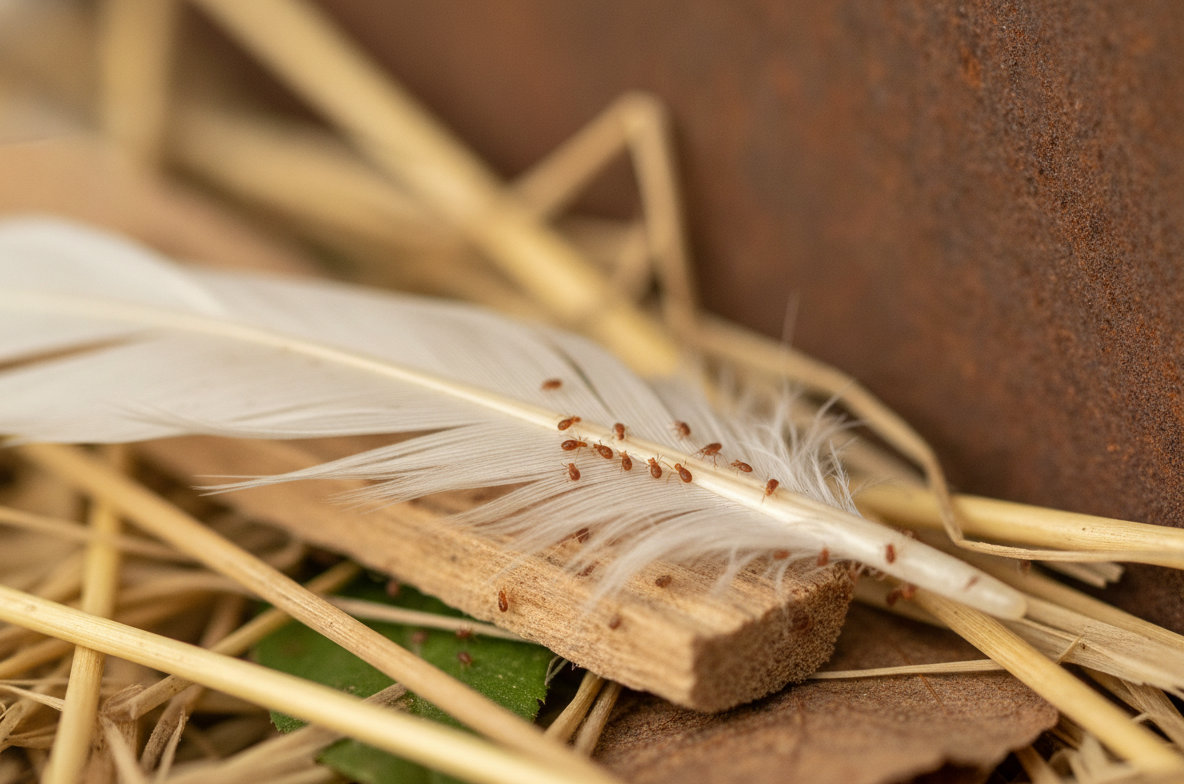
Tiny, blood-feeding parasites, chicken mites pose a significant threat to backyard flocks, potentially causing severe health issues and economic losses for egg producers. These arachnids are external parasites that infest chickens, feeding on their blood or skin debris. Prompt identification and intervention are essential for maintaining a healthy and productive flock.
What Are Chicken Mites?
Chicken mites are small, eight-legged arthropods, distinct from insects which have six legs. They are related to spiders and ticks. These parasites live on or near chickens and feed on blood, skin, or feathers. Different species of mites target different parts of the chicken or spend varying amounts of time on the host. An infestation can quickly spread through a coop, impacting the entire flock.
What Do Chicken Mites Look Like?
Identifying mites requires close inspection, as they are often very small.
- Red Mites (Dermanyssus gallinae), also known as Roost Mites: These mites are grayish-white before feeding but turn reddish-brown after a blood meal. They are nocturnal, hiding in cracks and crevices of the coop during the day and emerging at night to feed on chickens. Adult red mites are typically about 0.75 mm (0.03 inches) long, roughly the size of a pinhead. You might see them as tiny moving red or black dots.
- Northern Fowl Mites (Ornithonyssus sylviarum): These mites spend their entire lifecycle on the chicken, unlike red mites. They are dark red to black and slightly smaller than red mites, around 0.5 mm (0.02 inches). They are most commonly found around the vent, tail, and breast feathers.
- Scaly Leg Mites (Knemidocoptes mutans): These mites are microscopic and burrow under the scales of a chicken's legs and feet. They are not visible to the naked eye. Their presence is indicated by the damage they cause.
- Depluming Mites (Knemidocoptes gallinae): Also microscopic, these mites burrow into the feather follicles, causing intense itching and feather loss.
What Do Chickens with Mites Look Like? (Symptoms on Birds)
Observing your chickens for changes in behavior and physical appearance can help detect a mite infestation early.
- Irritation and Restlessness: Chickens may appear agitated, scratch frequently, or peck at their feathers. They might be reluctant to enter the coop at night if red mites are active.
- Anemia: Heavy infestations of blood-feeding mites can lead to anemia. Signs include pale combs and wattles, weakness, and lethargy.
- Feather Loss and Damage: Northern fowl mites and depluming mites can cause significant feather loss, especially around the vent, tail, and neck. Feathers may appear ruffled or dirty.
- Reduced Egg Production: Stressed and anemic hens lay fewer eggs. The eggs may also be smaller or have thinner shells.
- Weight Loss: Chronic mite infestations can lead to poor nutrient absorption and weight loss, making chickens more susceptible to other diseases.
- Scaly Legs: For scaly leg mites, the legs will show raised, thickened scales. The legs may appear crusty or deformed. This condition develops slowly but can become severe if untreated.
Chicken Mite Lifecycle
Understanding the mite lifecycle helps in effective treatment. Most mites go through four stages: egg, larva, nymph, and adult.
- Eggs: Mites lay tiny, oval, white eggs in cracks of the coop or on the chicken's feathers. Red mites deposit eggs in the coop, while Northern Fowl Mites lay eggs directly on the bird.
- Larva: Eggs hatch into six-legged larvae. These larvae do not feed on blood.
- Nymphs: Larvae molt into eight-legged nymphs, which begin to feed on blood. Nymphs undergo several molts before reaching adulthood.
- Adult: Adult mites are fully developed and capable of reproduction. The entire lifecycle can be completed in as little as seven days for some species, like the red mite, under optimal conditions (warm temperatures). This rapid reproduction rate explains how infestations can escalate quickly. Northern fowl mites complete their lifecycle entirely on the host in about 5-7 days.
Impact on Chickens and Egg Production
Mites cause more than just discomfort.
- Health Deterioration: Consistent blood loss can severely weaken chickens, making them vulnerable to secondary infections. Young chicks are especially at risk and can die from heavy infestations.
- Reduced Productivity: Egg production can drop by 10-20% or more. Hens may stop laying altogether. The stress from constant irritation and blood loss diverts energy from egg formation.
- Poor Feather Quality: Damaged feathers affect a chicken's ability to regulate body temperature, particularly in colder weather.
- Stress: Chronic stress weakens the immune system.
Distinguishing Mites from Lice
- What Do Chicken Lice Look Like? Chicken lice are insects, not arachnids. They have six legs and a segmented body. They are typically pale yellow or light brown and visible to the naked eye, about 1-3 mm long. They move quickly through feathers.
- What Does Lice Look Like on Chickens? Lice are found directly on the chicken, often clinging to the base of feathers, especially around the vent, under the wings, and on the neck. You might see nits (lice eggs) attached to feather shafts. Lice feed on skin flakes and feather debris, not blood.
Key Difference: Mites are arachnids (8 legs, often blood-feeders, some hide in coop). Lice are insects (6 legs, feed on skin/feathers, live entirely on the bird). While both cause irritation and feather damage, Northern Fowl Mites are often confused with lice due to living on the bird. However, mites are generally smaller and often appear darker after feeding. For more information on both, see our article .
Detection and Inspection
Regular inspection is the best defense.
- Nighttime Coop Check: For red mites, inspect the coop after dark with a flashlight. Look for tiny reddish-brown specks moving on roosts, walls, and nesting boxes. Run a white cloth under the roosts to see if mites fall onto it.
- Daytime Chicken Check: During the day, carefully part the feathers of your chickens, especially around the vent, under the wings, and on the breast. Look for mites, nits, or irritated skin. Pay close attention to pale combs, wattles, and dry, brittle feathers.
- Scaly Leg Mite Check: Examine chicken legs for raised or crusty scales. This is a clear sign of scaly leg mites.
- Dust Bath Behavior: Chickens taking frequent, vigorous dust baths can be a sign of irritation from external parasites. A properly set up dust bath can help chickens manage some external parasites. Learn how to set one up here: How to Set Up the Perfect Chicken Dust Bath.
What Kills Chicken Mites? (Treatment Methods)
Effective treatment involves both the chickens and their environment.
- Dusting Powders: Products containing permethrin, pyrethrin, or carbaryl are effective. Apply these directly to the chickens, focusing on the vent, under the wings, and along the back. Repeat applications may be necessary according to product instructions, usually every 7-10 days, to break the mite lifecycle. Always follow label directions carefully.
- Diatomaceous Earth (DE): Food-grade DE works by dehydrating mites. Sprinkle it liberally in the coop, especially in cracks, crevices, and nesting boxes. You can also lightly dust chickens with DE. Wear a mask when applying to avoid inhaling the fine powder.
- Coop Cleaning: A thorough cleaning of the coop is vital. Remove all bedding, scrub surfaces with a stiff brush and hot soapy water, then rinse and allow to dry completely. For severe red mite infestations, consider using a high-pressure washer. Apply a premise spray approved for poultry coops to cracks and crevices after cleaning.
- Oil-Based Treatments (for Scaly Leg Mites): For scaly leg mites, submerging the affected legs in vegetable oil, mineral oil, or petroleum jelly can smother the mites. Repeat this treatment every few days until scales return to normal. This process can take several weeks or months.
- Vet Consultation: For severe or persistent infestations, or if you are unsure about the diagnosis, consult a veterinarian specializing in poultry. A vet visit typically costs $80-$150 for a service call, plus the cost of any medications or diagnostic tests.
What to Use for Mites on Chickens? (Specific Application)
When applying treatments directly to chickens, target areas where mites congregate.
- Vent Area: This is a common spot for Northern Fowl Mites. Gently part the feathers and apply dust or spray.
- Under Wings and Breast: These areas provide warmth and shelter for mites.
- Back and Tail: Make sure full coverage is achieved to address mites across the body.
- Legs (for Scaly Leg Mites): For scaly leg mites, apply petroleum jelly or dip legs in oil. A small, soft brush can help work the oil under raised scales.
Prevention Strategies
Preventing infestations is easier than treating them.
- Regular Coop Cleaning: Clean your coop thoroughly at least once a month, removing old bedding and scrubbing surfaces. A deep clean should be done quarterly. Refer to our Your Ultimate Chicken Coop Cleaning Checklist for a Healthy Flock for a detailed guide.
- Routine Inspection: Inspect chickens and the coop weekly for any signs of mites. Early detection prevents widespread infestations.
- Quarantine New Birds: Always quarantine new chickens for at least 30 days before introducing them to your flock. This prevents introducing parasites or diseases.
- Dust Bath Access: Provide a dedicated dust bath area with fine dirt, sand, or a mixture of sand and wood ash. Chickens naturally use dust baths to keep parasites under control.
- Good Ventilation: Proper coop ventilation helps keep bedding dry and discourages mite populations. Learn more about its importance here: Chicken Coop Ventilation: Why It Matters More Than Heat.
- Seal Cracks: Seal any cracks or crevices in the coop walls and roosts. These provide hiding spots for red mites.
- Avoid Wild Birds: Try to minimize wild bird access to your coop and feeders, as they can carry mites.
By understanding what chicken mites are, recognizing their appearance and effects, and implementing consistent prevention and treatment, you can protect your flock from these common poultry pests. A proactive approach maintains the health, happiness, and productivity of your chickens.


