
24 Pack Premium Vet Wrap - Self Adhesive Bandage Wrap & Athletic Tape - 4" x 5 Yards Elastic & Self-Sticking Cohesive Bandage for
- Our premium vet wrap comes in packs of 2, 6, 12, 18, or 24 rolls in solid colors, paw prints, hearts.
- Our self-adhesive bandage wrap sticks securely without pins or tape. Elastic and self-sticking, it wraps.
- Each roll is tearable at certain angles, no scissors needed. Individually packed for cleanliness. Ideal.
- Our wrap or athletic tape can secure bandages and protect areas during activity. Suitable for wrists.

Dimora Silicone Ultra Absorbent Dressing Pads - Adhesive Wound Bandage with Gentle Border, Waterproof Soft Gauze for Post
- 1S Instantly Absorbs&Locks in Exudate - The unique SAP-composite absorbent core has high absorption.
- 360° Outward Extension, More elastic&Less dislodgement - The unique internal cutting design allows the.
- Silicone Ultra Absorbent Dressing VS Nonstick Dressing - Self-adhesive silicone contact layer gently.
- Upgraded Soft Wound Care Material - Upgraded material is lighter and softer, and the inner silicone wound.
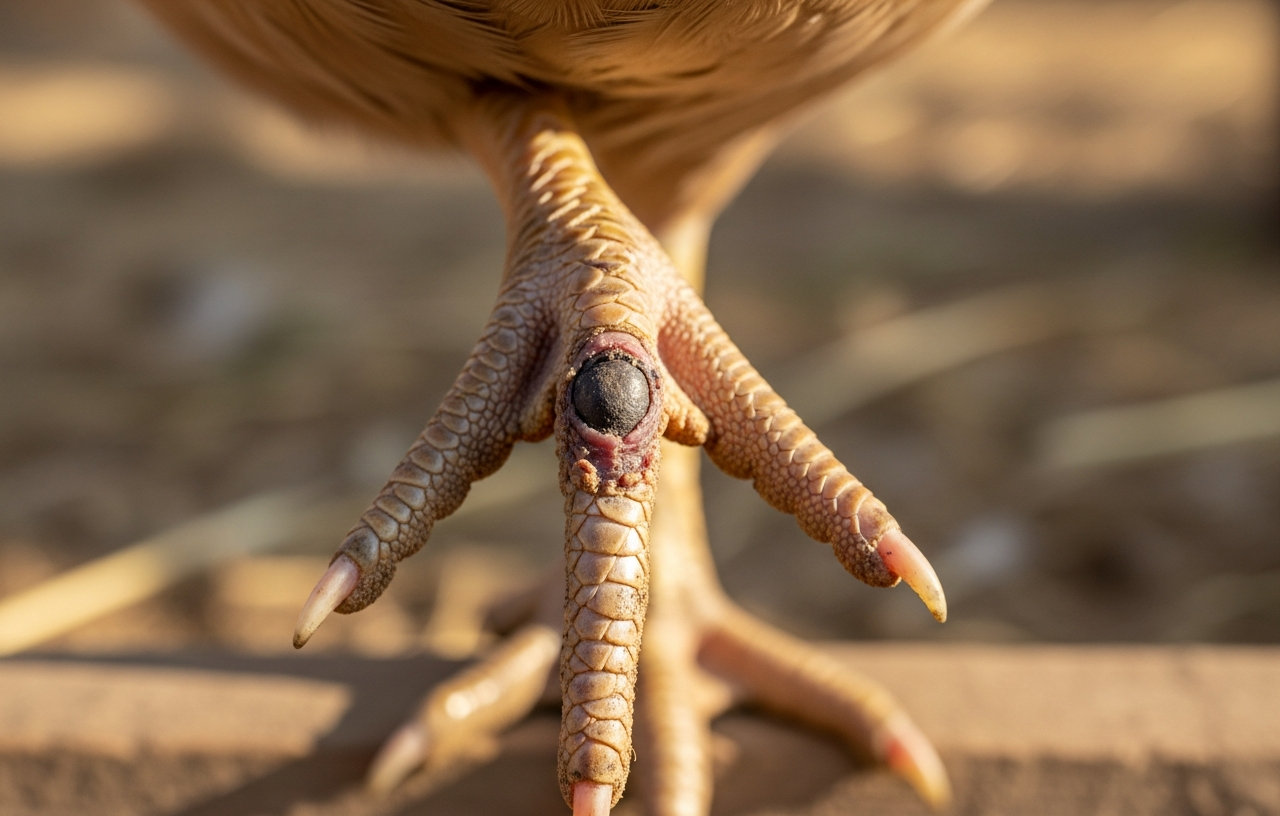
A chicken limping, with a swollen, red, or black lesion on its foot, likely has bumblefoot. This common bacterial infection, often caused by injury, requires prompt attention to prevent severe complications. Recognizing the signs early and knowing how to treat bumblefoot in chickens can restore your bird's health and comfort.
Bumblefoot, medically known as pododermatitis, is a Staphylococcus bacterial infection that affects the footpads of poultry. It can range from a minor callus to a severe abscess involving bones and joints. Understanding the causes and symptoms is the first step toward effective management.
Understanding Bumblefoot: Causes and Symptoms
Bumblefoot develops when bacteria, most commonly Staphylococcus aureus, enter the foot through a cut, scrape, or puncture wound. These injuries often occur due to improper coop conditions or hard landings.
Common Causes of Bumblefoot
- Rough Perches: Splintered wood, sharp edges, or perches that are too narrow or too wide can injure footpads.
- Hard Surfaces: Chickens walking or jumping onto hard, abrasive surfaces, like concrete, can cause micro-abrasions.
- Puncture Wounds: Stepping on sharp objects in the coop or run.
- Poor Sanitation: Wet, dirty bedding allows bacteria to thrive and enter wounds more easily.
- Obesity: Overweight birds place more pressure on their feet, making them prone to injury.
- Vitamin A Deficiency: Can weaken skin integrity, making feet more susceptible to infection.
Recognizing the Symptoms
Symptoms of bumblefoot progress through several stages. Early detection improves treatment outcomes.
- Stage 1: Mild Inflammation. The footpad may appear slightly red or swollen. The chicken might show subtle signs of discomfort or a slight limp.
- Stage 2: Scab Formation. A small, dark scab forms on the footpad, often resembling a black dot. Swelling increases, and the chicken's limping becomes more noticeable.
- Stage 3: Abscess Development. Beneath the scab, an abscess forms, filled with pus and necrotic tissue. The foot becomes significantly swollen and warm to the touch. The chicken experiences considerable pain and lameness.
- Stage 4: Deep Infection. The infection spreads deeper into the foot, affecting tendons, ligaments, and potentially the bone. The foot may be severely deformed, and the chicken might lose its ability to walk.
- Stage 5: Systemic Infection. The infection enters the bloodstream, leading to lethargy, loss of appetite, and other signs of illness. This stage is life-threatening.
How to Treat Bumblefoot in Chickens
Treating bumblefoot requires a careful, multi-step approach. For advanced cases, or if you are uncomfortable performing minor surgery, consult a veterinarian. Subsequent re-wraps will be quicker.
-
Isolate and Secure the Chicken
Gently catch and secure the affected chicken. It helps to have a second person hold the bird, keeping it calm and still. Place the chicken on a clean towel or surface.
-
Clean the Affected Foot
Carefully clean the entire foot with warm water and a mild soap. Remove any dirt, mud, or debris. This helps you get a clear view of the lesion.
-
Soak the Foot
Prepare a warm Epsom salt bath. Mix about 1/4 cup of Epsom salts per gallon of warm water. Soak the affected foot for 10-15 minutes. This softens the scab and surrounding tissue, making the next steps easier. It also helps draw out infection.
-
Examine the Lesion and Remove the Core
After soaking, dry the foot thoroughly. Put on sterile gloves. Carefully examine the footpad for the characteristic black core, which is essentially a plug of necrotic tissue and pus. If the scab is soft enough, you might be able to gently peel it away with tweezers. Often, a small incision is necessary. Using a sterile scalpel or hobby knife, make a small, shallow incision around the perimeter of the core. The goal is to loosen and extract the entire core, which often resembles a kernel of corn or a cheesy plug. Take extreme care to avoid cutting too deeply, as this can cause further injury and bleeding. If the core is firmly embedded or you encounter significant bleeding, stop and seek veterinary assistance. Once the core is out, gently squeeze the surrounding tissue to expel any remaining pus or debris.
-
Clean and Disinfect the Wound
After removing the core, thoroughly flush the wound with an antiseptic solution. Chlorhexidine or diluted povidone-iodine are good choices. Use cotton swabs or gauze pads to clean the cavity. Make sure the wound is free of any foreign material.
-
Apply Wound Dressing and Ointment
Apply a small amount of antibiotic ointment directly into the cleaned cavity. A product like Dimora Silicone Ultra Absorbent Dressing Pads works well as a primary wound dressing. These pads instantly absorb exudate and conform gently to the wound, providing a sterile barrier. Cut a piece to fit over the wound, covering it completely.
-
Wrap the Foot
Now, apply a secure bandage. Start by wrapping a layer of sterile gauze around the foot, making sure it is not too tight. Then, use a self-adhesive bandage wrap. 24 Pack Premium Vet Wrap is excellent for this purpose. It sticks securely without pins or tape and provides elastic support. Wrap the foot firmly but not so tightly that it cuts off circulation. Make sure the toes are still visible and can move slightly. Check the color of the toes to make sure they remain pink. A figure-eight pattern often works best, covering the entire footpad and extending slightly up the shank.
-
Monitor and Re-wrap
Re-wrap the foot every 2-3 days, or sooner if the bandage becomes wet or soiled. Each time you re-wrap, clean the wound with antiseptic, apply fresh antibiotic ointment, and put on a new dressing. Continue this process until the wound has healed completely. This can take 1-3 weeks, depending on the severity of the infection. Keep the chicken isolated during recovery to prevent re-injury or further infection.
Post-Treatment Care and Recovery
After the initial treatment, ongoing care helps your chicken heal fully. Keep the chicken in a clean, soft-bedded isolation pen. This prevents contamination of the wound and reduces stress on the healing foot. Ensure the pen has fresh food and water, such as those found in the Best Chicken Waterer Options guide.
Monitor the chicken for signs of systemic infection, such as lethargy, loss of appetite, or fever. Consult your veterinarian if these symptoms appear. They may prescribe oral antibiotics or pain medication. Continue to check the wound daily for any signs of worsening infection, such as increased swelling, redness, or foul odor.
How to Prevent Bumblefoot in Chickens
Prevention is always better than treatment. Maintaining a clean and safe environment for your flock significantly reduces the risk of bumblefoot.
Coop and Run Management
- Soft Bedding: Keep coop bedding clean, dry, and deep. Materials like pine shavings or hemp provide cushioning. Consider reviewing Best Chicken Coop Bedding for optimal choices.
- Proper Perches: Use perches with rounded edges and a diameter comfortable for your chickens' feet. Natural branches are ideal. Make sure perches are not too high, to prevent hard landings.
- Smooth Surfaces: Minimize concrete or other hard, abrasive surfaces in areas where chickens frequently land or walk.
- Regular Cleaning: Clean the coop and run regularly to remove sharp objects and reduce bacterial load. Learn more about maintaining a healthy environment with the Chicken Coop Ventilation guide.
Flock Health and Nutrition
- Balanced Diet: Provide a complete, balanced feed to support overall health and strong immune systems.
- Weight Management: Prevent obesity by monitoring feed intake and encouraging activity.
- Regular Foot Checks: Periodically inspect your chickens' feet for any cuts, scrapes, or early signs of inflammation. Early intervention can prevent minor injuries from developing into full-blown bumblefoot.
Knowing how to cure bumblefoot in chickens through diligent care and making sure their environment is well maintained can keep your flock healthy. Prompt action and consistent follow-up care are vital for a successful recovery.
24 Pack Premium Vet Wrap - Self Adhesive Bandage Wrap & Athletic Tape - 4" x 5 Yards Elastic & Self-Sticking Cohesive Bandage for
- Our premium vet wrap comes in packs of 2, 6, 12, 18, or 24 rolls in solid colors, paw prints, hearts.
- Our self-adhesive bandage wrap sticks securely without pins or tape. Elastic and self-sticking, it wraps.
- Each roll is tearable at certain angles, no scissors needed. Individually packed for cleanliness. Ideal.
- Our wrap or athletic tape can secure bandages and protect areas during activity. Suitable for wrists.
Dimora Silicone Ultra Absorbent Dressing Pads - Adhesive Wound Bandage with Gentle Border, Waterproof Soft Gauze for Post
- 1S Instantly Absorbs&Locks in Exudate - The unique SAP-composite absorbent core has high absorption.
- 360° Outward Extension, More elastic&Less dislodgement - The unique internal cutting design allows the.
- Silicone Ultra Absorbent Dressing VS Nonstick Dressing - Self-adhesive silicone contact layer gently.
- Upgraded Soft Wound Care Material - Upgraded material is lighter and softer, and the inner silicone wound.


