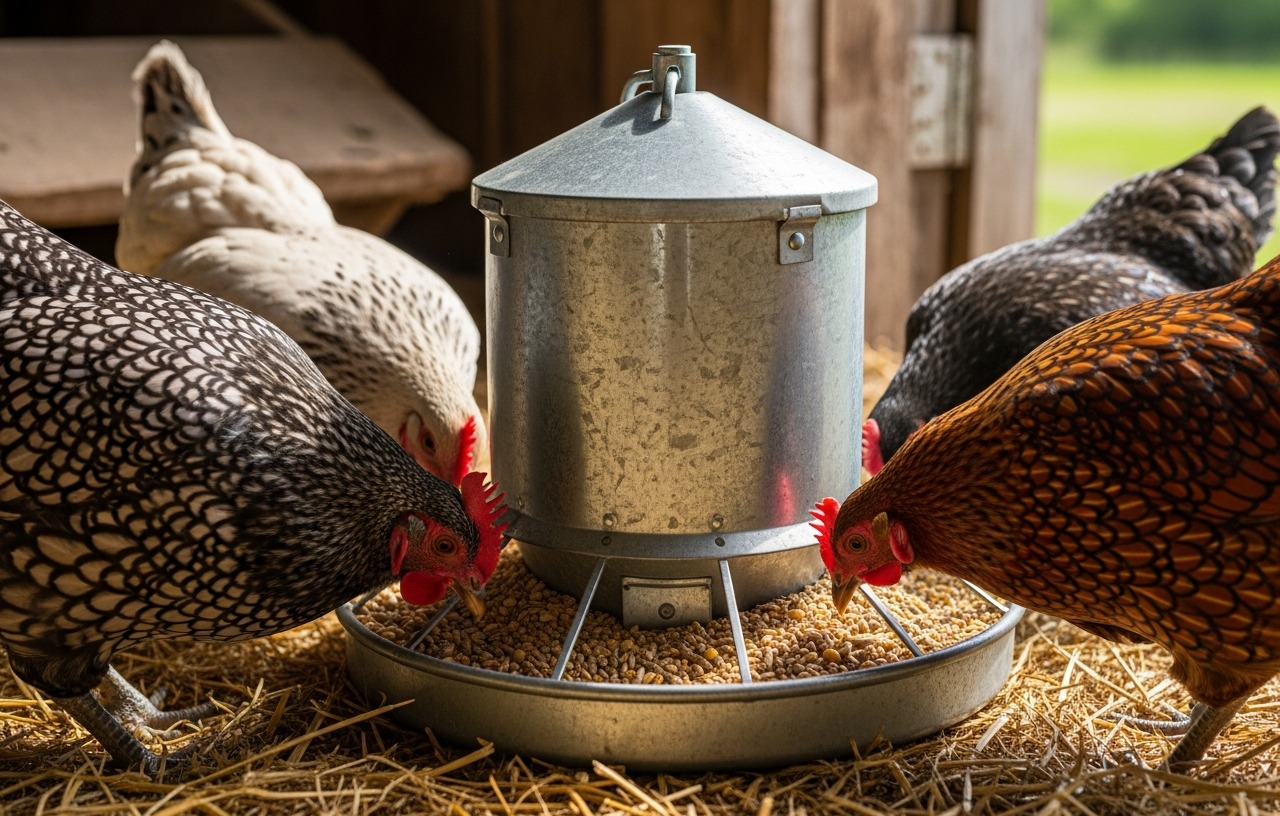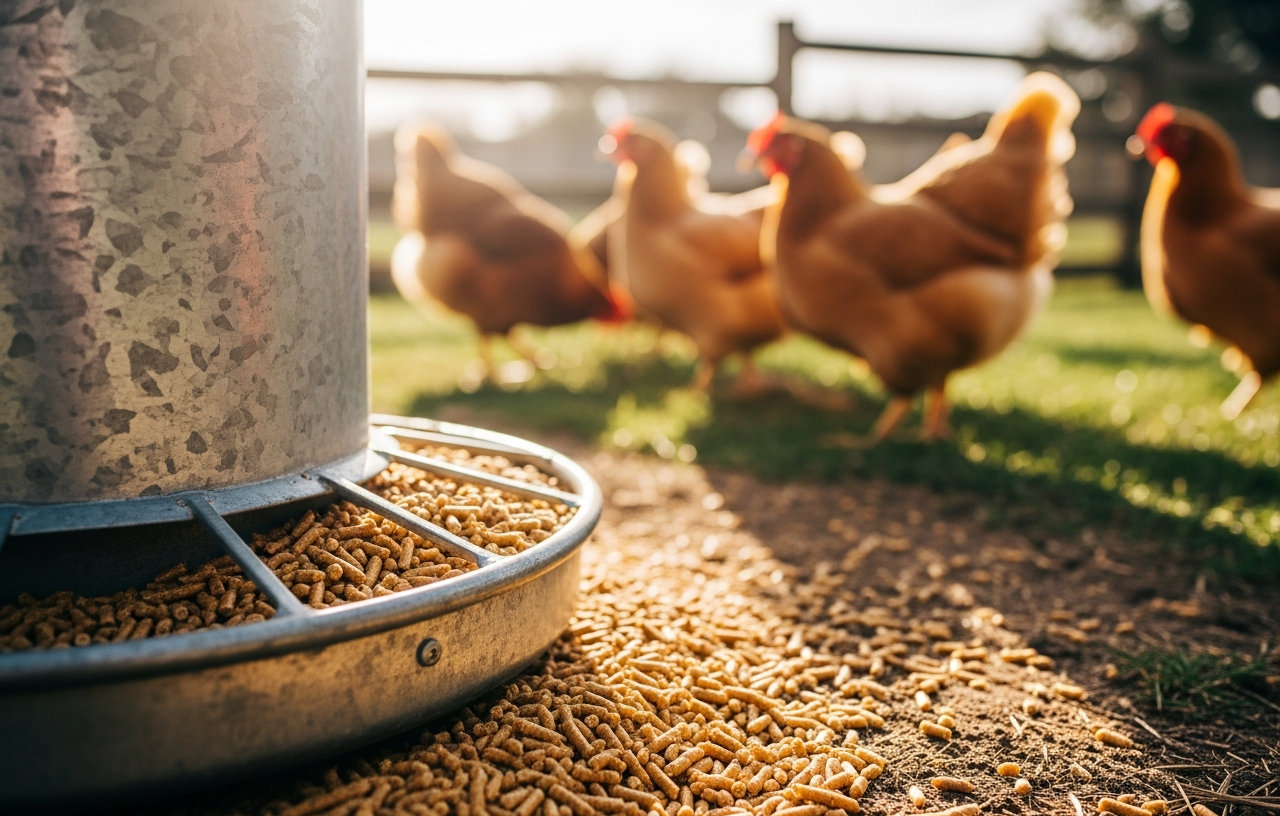
A small flock of backyard chickens can cost anywhere from $20 to $60 per month for feed alone, depending on factors like flock size, feed type, and whether they free-range. Understanding the precise cost of chicken feed per month helps keepers budget effectively and maintain healthy, productive hens. A single laying hen typically consumes about 0.25 pounds of feed daily, translating to roughly 7.5 pounds per month. This baseline figure fluctuates based on many variables, making a detailed breakdown essential for any chicken owner.
Understanding the Cost to Feed Chickens Per Month
Many elements contribute to the overall expenditure on chicken feed. These factors, when considered together, determine your actual monthly outlay. Ignoring them can lead to unexpected expenses.
Flock Size and Age
The number of chickens in your flock directly impacts feed consumption. More birds mean more feed. A flock of six hens will naturally eat more than a flock of three. Their age also matters. Baby chicks require specialized starter feed, which can be more expensive per pound than adult layer feed. Growing pullets consume significant amounts as they develop. Older hens may eat less, but molting hens require extra protein, increasing their feed intake temporarily.
Type of Feed
Chicken feed comes in various formulations, each with a different purpose and price point. The most common types include:
- Starter Feed: Designed for chicks up to 6-8 weeks old, often medicated to prevent coccidiosis. A 50-pound bag costs around $25-$40.
- Grower Feed: For pullets from 8 weeks until they begin laying, typically lower in protein than starter but higher than layer feed. A 50-pound bag costs approximately $20-$35.
- Layer Feed: Formulated for laying hens, rich in calcium for strong eggshells. This is the most common type for adult backyard flocks. A 50-pound bag ranges from $18-$30.
- Scratch Grains: A treat, not a complete feed. It offers energy but lacks balanced nutrition. A 50-pound bag is usually $15-$25.
- Organic or Non-GMO Feed: These premium options are significantly more expensive due to specific sourcing and certification requirements. A 50-pound bag can cost $35-$60 or more.
- Fermented Feed: While not a separate type of feed, fermenting existing feed can improve nutrient absorption and reduce overall consumption. This method adds labor but can save money.
Free-Ranging Versus Confinement
Chickens allowed to free-range will supplement their diet with insects, worms, and plant matter. This natural foraging reduces their reliance on commercial feed. Confined chickens, on the other hand, depend entirely on you for their nutrition. This difference can cut your feed bill by 10-30% if your chickens have ample space to forage safely. Make sure your coop is predator-proof if allowing free-ranging. More information on protecting your flock can be found by reading about chicken coop predator proofing.
Season and Climate
Chickens eat more in colder months to maintain body temperature. Their metabolism increases, demanding more calories. During winter, feed consumption can rise by 10-20%. In summer, consumption might decrease slightly unless they are heavily laying. Providing adequate chicken coop ventilation is also vital for comfort in warmer months.
Feed Waste
Poorly designed feeders can lead to significant feed waste. Chickens might scratch feed onto the ground, where it becomes soiled or inaccessible. Rain can also spoil exposed feed. Investing in a no-waste feeder can reduce your monthly feed expenses. Explore options in our article on best chicken feeders.
Detailed Cost Breakdown: How Much to Feed a Chicken Per Month
Let's calculate the cost to feed a chicken per month based on average consumption and feed prices. We will use a standard layer feed as the primary example.
Average Daily Consumption
A typical laying hen eats about 0.25 pounds (1/4 pound) of feed per day. This amount can vary based on breed size, activity level, and environmental temperature.
Monthly Consumption Per Chicken
0.25 pounds/day x 30 days = 7.5 pounds per month per hen.
Cost Per Pound of Feed
A 50-pound bag of standard layer feed typically costs $20-$30. Let's use an average of $25.
- $25 / 50 pounds = $0.50 per pound.
Monthly Cost Per Chicken
7.5 pounds/month x $0.50/pound = $3.75 per month per hen.
This means the average cost to feed a chicken per month with standard layer feed is around $3.75.
Scenario: Monthly Budget for a 6-Hen Flock
For a flock of six laying hens, your monthly feed budget for standard layer feed would be:
- 6 hens x $3.75/hen = $22.50 per month.
If you opt for organic layer feed, which might cost $45 for a 50-pound bag ($0.90 per pound):
- 7.5 pounds/month x $0.90/pound = $6.75 per month per hen.
- For six hens: 6 hens x $6.75/hen = $40.50 per month.
These figures provide a solid baseline. Your actual costs will fall within this range, adjusting for the factors discussed previously.
Strategies for Reducing Feed Costs
While feed is a necessary expense, several methods can help lower your overall cost to feed chickens per month without compromising their health.
1. Smart Feeder Choices
As mentioned, selecting a good feeder is vital. Hanging feeders, treadle feeders, or those with anti-scratch grids prevent chickens from wasting feed. This simple change can save you 10-20% on your feed bill over time. Less wasted feed means fewer trips to the store and less money spent. Consider feeders designed to minimize spillage and keep feed dry.
2. Supplementing with Kitchen Scraps and Forage
Chickens are excellent at converting kitchen scraps into eggs. Offer them vegetable trimmings, fruit peels (avoid avocado pits and skins), cooked pasta, rice, and stale bread in moderation. These items should not exceed 10-15% of their total diet to maintain nutritional balance. Allowing supervised free-ranging also provides natural foraging opportunities, reducing their reliance on commercial feed.
3. Growing Fodder
Growing wheat, barley, or oat sprouts (fodder) is an inexpensive way to provide fresh greens and nutrients. Fodder systems involve sprouting grains in trays, offering a highly digestible, nutrient-dense supplement. This method can significantly reduce your feed bill, especially in winter when foraging is limited. It requires a bit of setup and daily commitment but yields substantial savings.
4. Buying in Bulk
Purchasing 50-pound bags of feed is almost always more cost effective than buying smaller bags. If you have a larger flock, consider buying even larger quantities, like half-ton or ton totes, directly from a feed mill. Make sure you have proper storage that is rodent-proof and moisture-free to prevent spoilage. Airtight metal bins or heavy duty plastic containers work well.
Seasonal and Life Stage Considerations
Feed requirements change throughout a chicken's life and with the seasons. Adjusting your approach at these times can keep your flock healthy and your budget balanced.
Molting Hens
When hens molt, they replace their feathers. This process requires a significant amount of protein. During molting, offer a higher protein feed (around 20-22%) or supplement their diet with high-protein treats like black oil sunflower seeds or mealworms. This boost helps them regrow feathers quickly and return to laying sooner. Learn more about supporting your flock during this period with our guide on molting chickens.
Winter Feeding
In winter, chickens use more energy to stay warm. Providing a bit of scratch grains in the afternoon gives them extra calories to burn through the night. Do not overdo it, as scratch is not nutritionally complete. Ensure their primary diet remains a balanced layer feed. Proper winterization of your coop also helps them conserve energy. Read about winterizing your chicken coop for more tips.
Raising Chicks
Young chicks have different nutritional needs. They require starter feed for the first 6-8 weeks, followed by grower feed until they are ready to lay. These feeds are specifically formulated for their rapid growth and development. Do not feed layer feed to chicks, as the high calcium content can harm their kidneys.
Final Budgeting Tips for Chicken Feed
Accurately estimating the cost of chicken feed per month is a continuous process. Monitor your flock's consumption, observe their health, and adjust your feeding strategy as needed. Keep an eye on feed sales at local farm supply stores. Consider joining a local chicken keeping group. Members often share tips on where to find the best deals on feed or even organize bulk purchases together. Maintaining a healthy, productive flock involves understanding their dietary needs and managing your expenses wisely.