
Rooster Booster B-12 Liquid, 16-Ounce
- Stimulates appetite
- Oxygenates blood
- Increases alertness
- For poultry

Brewer's Yeast + Probiotics + Niacin + Vitamins Supplement for Ducks, Chickens and Poultry. (Molt Recovery, Severe Stress, Egg
- {Healthy Flock} Proper nutrition and a well-balanced microbiome can help your poultry defend against.
- {Beautiful Feathers} Brewer's Yeast contains essential amino acids and vitamins needed to grow and.
- {Top Grade Eggs} Healthy Chickens and Ducks lay thick shelled eggs with deep yellow yolks. A great source.
- {Strong Start} Specific vitamins and minerals are very beneficial to adult birds but can be critically.

Brewer's Yeast + Probiotics + Niacin + Vitamins Supplement for Ducks, Chickens and Poultry. (Molt Recovery, Severe Stress, Egg
- {Healthy Flock} Proper nutrition and a well-balanced microbiome can help your poultry defend against.
- {Beautiful Feathers} Contains essential amino acids and vitamins needed to grow and maintain luxurious.
- {Top Grade Eggs} Healthy Chickens and Ducks lay thick shelled eggs with deep yellow yolks. Add to your.
- {Strong Start} Specific duck or chicken vitamins and supplements are very beneficial but can be critically.
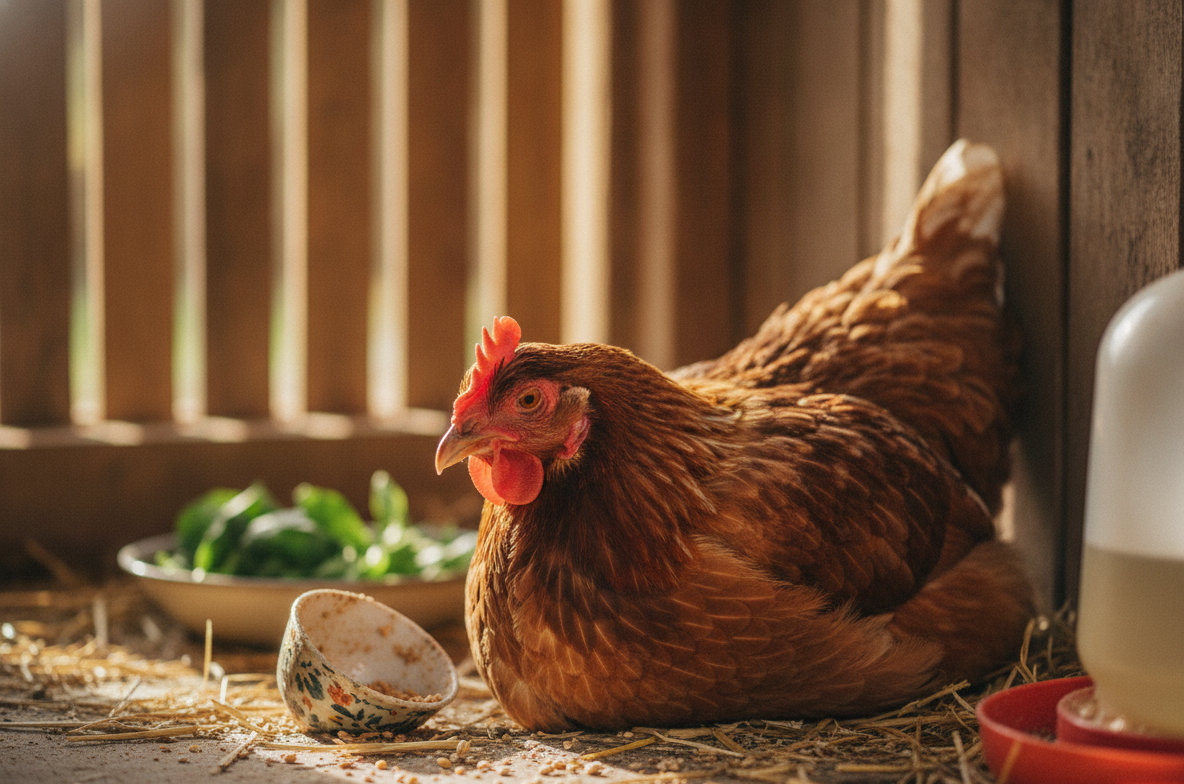
A chicken that is lethargic and not eating usually points to one of several underlying issues. Your bird might be experiencing heat stress, a nutritional deficiency, or a parasitic infestation. Observing additional symptoms and conducting simple checks can help you pinpoint the problem and provide timely care.
Initial Steps When Your Chicken is Lethargic and Not Eating
When you notice your chicken is lethargic and not eating, isolate the bird immediately. This prevents potential illness spread and allows for closer observation. A quiet, comfortable space with easy access to fresh water and a small amount of palatable feed is ideal. Examine the chicken for obvious injuries, unusual droppings, or external parasites. Pay attention to its comb and wattles; they should be bright and full, not pale or shrunken.
Check for Dehydration or Heat Stress
One of the most common reasons a chicken is lethargic and not eating, especially in warmer months, is dehydration or heat stress. Chickens do not sweat, so they rely on panting to cool down. Extreme heat can quickly overcome them.
- Symptoms: Panting, wings held away from the body, pale comb and wattles, reluctance to move, standing still with head down.
- Quick Test: Gently pull up a small fold of skin on the chicken's back. If it snaps back quickly, the bird is likely hydrated. If it remains tented for a few seconds, dehydration is probable.
- Treatment: Move the chicken to a cooler, shaded area. Offer cool (not icy) water, possibly with electrolytes. A shallow pan of cool water for standing can help lower body temperature. Make sure your flock always has access to fresh, clean water. Review options for best chicken waterer options to prevent future dehydration.
- Cost: Prevention is free, or the cost of a new waterer ($20-$70). Electrolytes cost around $10-$25.
Assess for Nutritional Deficiencies
A poor diet or lack of essential nutrients can cause a chicken to become lethargic and not eating over time. Chickens require a balanced diet of protein, carbohydrates, vitamins, and minerals to thrive.
- Symptoms: Dull feathers, poor growth (in younger birds), soft-shelled eggs, general weakness, and a lack of interest in food.
- Quick Test: Examine the chicken's feed. Is it a complete layer feed appropriate for its age? Has it been stored properly to prevent mold or nutrient degradation? Consider what treats the chicken has been eating; too many treats can fill them up without providing necessary nutrition.
- Treatment: Ensure the chicken is receiving a high quality, complete feed. Supplementing with vitamins can help. Consider adding a B-vitamin supplement like Rooster Booster B-12 Liquid, 16-Ounce. This product is designed to stimulate appetite, oxygenate blood, and increase alertness, which can be beneficial for a chicken lethargic and not eating. Alternatively, a Brewer's Yeast supplement with probiotics, niacin, and other vitamins can support overall health and feather growth, which is useful for recovery.
- Cost: Quality feed ($20-$40 per 50lb bag). Supplements like Rooster Booster B-12 Liquid or Brewer's Yeast cost around $15-$30.
Check for External Parasites: Mites and Lice
An infestation of external parasites can make a chicken lethargic and not eating due to constant irritation, blood loss, and stress. These tiny pests are common in backyard flocks.
- Symptoms: Excessive scratching or preening, ruffled feathers, pale comb and wattles, weight loss, reduced egg production, and visible parasites or their eggs.
- Quick Test: Inspect the chicken thoroughly, especially under the wings, around the vent, and on the skin beneath the feathers. Look for tiny insects (lice), clusters of eggs (nits) on feather shafts, or reddish-brown specks (mites). Mites are often nocturnal, so checking the coop at night with a flashlight can reveal them.
- Treatment: Treat the affected chicken with an appropriate poultry dust or spray. You will also need to treat the coop to eliminate the source of re-infestation. Clean the coop thoroughly and apply diatomaceous earth or permethrin dust to surfaces. Learn more about identifying and treating these pests in our guide on .
- Cost: Poultry dust or spray ($10-$25). Diatomaceous earth ($15-$30). Service call from a vet to diagnose and recommend specific treatment could be $80-$150.
Consider Internal Parasites: Worms
Internal parasites, such as roundworms, tapeworms, and cecal worms, can rob a chicken of vital nutrients, leading to weakness and a lack of appetite. This is another common reason a chicken is lethargic and not eating.
- Symptoms: Weight loss despite eating (initially), pale comb and wattles, dirty vent feathers, diarrhea, and visible worms in droppings.
- Quick Test: Observe the chicken's droppings for any signs of worms. This can be difficult as worms are not always visible. A definitive diagnosis often requires a fecal sample analysis by a veterinarian.
- Treatment: Administer a poultry-specific dewormer. Many dewormers are added to drinking water or feed. Follow dosage instructions carefully. Regular deworming, especially if your chickens free-range, can be a preventative measure.
- Cost: Poultry dewormer ($20-$50). Vet consultation and fecal test ($80-$200).
Other Potential Causes for a Sick Chicken Lethargic Not Eating
While the above are common culprits, other issues can cause a chicken to be lethargic and not eating. These may require more specialized attention.
Broodiness or Molting
Sometimes, a chicken's natural biological processes can mimic illness. A broody hen will sit on eggs, often neglecting food and water, becoming less active. Molting chickens, who are regrowing feathers, divert significant energy to this process, which can reduce their appetite and activity levels. Consult our guide on Molting Chickens: What to Do and What NOT to Do for Your Flock for more information.
- Quick Test: Check for signs of broodiness (sitting on a nest constantly, aggression when approached, puffed-up feathers). For molting, look for feather loss and new pin feathers emerging.
- Treatment: For broodiness, you can break the hen of it by removing her from the nest regularly or placing her in a 'broody breaker' cage for a few days. For molting, ensure a high-protein diet to support feather regrowth.
- Cost: Generally no cost, as these are natural processes.
Egg-Binding
An egg-bound hen is unable to pass an egg. This is a serious condition that can quickly become fatal if not addressed. The chicken will become lethargic and not eating because of the discomfort and strain.
- Symptoms: Straining, standing upright like a penguin, frequent trips to the nest box without laying, lethargy, loss of appetite.
- Quick Test: Gently feel the hen's abdomen and vent area. You might be able to feel an egg.
- Treatment: Warm baths, gentle massage, and a calcium supplement can sometimes help. This condition often requires immediate veterinary intervention. Read our article on Egg Bound Chicken: Signs, Causes, and How to Help Her for detailed steps.
- Cost: Emergency vet visit can range from $100-$300 or more, depending on the need for manual extraction.
Respiratory Illnesses
Various respiratory diseases can cause a chicken to become lethargic and not eating. These are often viral or bacterial and can spread rapidly through a flock.
- Symptoms: Sneezing, coughing, nasal discharge, swollen sinuses, bubbly eyes, difficulty breathing, gurgling sounds, and reduced appetite.
- Quick Test: Listen for unusual breathing sounds. Check the nostrils and eyes for discharge. Observe for head shaking or gasping.
- Treatment: Isolation is critical. Some bacterial infections may respond to antibiotics prescribed by a vet. Viral infections typically require supportive care. Good coop ventilation is vital for prevention. Explore chicken coop ventilation importance.
- Cost: Vet consultation and medication can be $80-$250.
Injury or Predator Attack
A physical injury, whether from a fall, a fight with another chicken, or a predator encounter, can leave a chicken in shock, pain, and unwilling to eat or move. Even a minor injury can cause significant stress.
- Symptoms: Limping, visible wounds, ruffled feathers, hiding, labored breathing, and general disinterest in surroundings.
- Quick Test: Carefully examine the chicken's entire body for cuts, punctures, broken bones, or bruising.
- Treatment: Clean and treat any wounds. Provide a quiet, comfortable space for recovery. Pain relief may be necessary, under vet guidance.
- Cost: Wound care supplies ($10-$30). Vet visit for severe injuries or infections ($100-$300+).
Prevention: Keeping Your Flock Healthy
Maintaining a healthy environment and providing proper care are the best defenses against a sick chicken lethargic not eating. Regular flock health checks, good hygiene, and a balanced diet significantly reduce the risk of illness.
- Cleanliness: Regularly clean your chicken coop. A dirty coop harbors bacteria, viruses, and parasites. Refer to our Ultimate Chicken Coop Cleaning Checklist for a healthy flock.
- Nutrition: Always provide a high quality, complete feed appropriate for your chickens' age and laying status. Supplement judiciously.
- Water: Ensure constant access to fresh, clean water. Clean waterers daily.
- Space: Overcrowding causes stress and makes disease spread easier. Make sure your coop has adequate space per bird.
- Dust Baths: Provide a dedicated dust bath area. Dust bathing helps chickens manage external parasites naturally.
- Quarantine New Birds: Always quarantine new chickens for at least 30 days before introducing them to your existing flock.
When to Call the Vet
If your chicken is lethargic and not eating, and you cannot identify or quickly resolve the issue, or if the bird's condition worsens rapidly, contact a veterinarian experienced with poultry. Symptoms like severe difficulty breathing, persistent bloody droppings, paralysis, or sudden deaths in the flock warrant immediate professional attention. A vet can accurately diagnose the problem and recommend appropriate treatments, potentially saving your chicken's life or preventing a wider flock outbreak.
Rooster Booster B-12 Liquid, 16-Ounce
- Stimulates appetite
- Oxygenates blood
- Increases alertness
- For poultry
Brewer's Yeast + Probiotics + Niacin + Vitamins Supplement for Ducks, Chickens and Poultry. (Molt Recovery, Severe Stress, Egg
- {Healthy Flock} Proper nutrition and a well-balanced microbiome can help your poultry defend against.
- {Beautiful Feathers} Brewer's Yeast contains essential amino acids and vitamins needed to grow and.
- {Top Grade Eggs} Healthy Chickens and Ducks lay thick shelled eggs with deep yellow yolks. A great source.
- {Strong Start} Specific vitamins and minerals are very beneficial to adult birds but can be critically.
Brewer's Yeast + Probiotics + Niacin + Vitamins Supplement for Ducks, Chickens and Poultry. (Molt Recovery, Severe Stress, Egg
- {Healthy Flock} Proper nutrition and a well-balanced microbiome can help your poultry defend against.
- {Beautiful Feathers} Contains essential amino acids and vitamins needed to grow and maintain luxurious.
- {Top Grade Eggs} Healthy Chickens and Ducks lay thick shelled eggs with deep yellow yolks. Add to your.
- {Strong Start} Specific duck or chicken vitamins and supplements are very beneficial but can be critically.


